
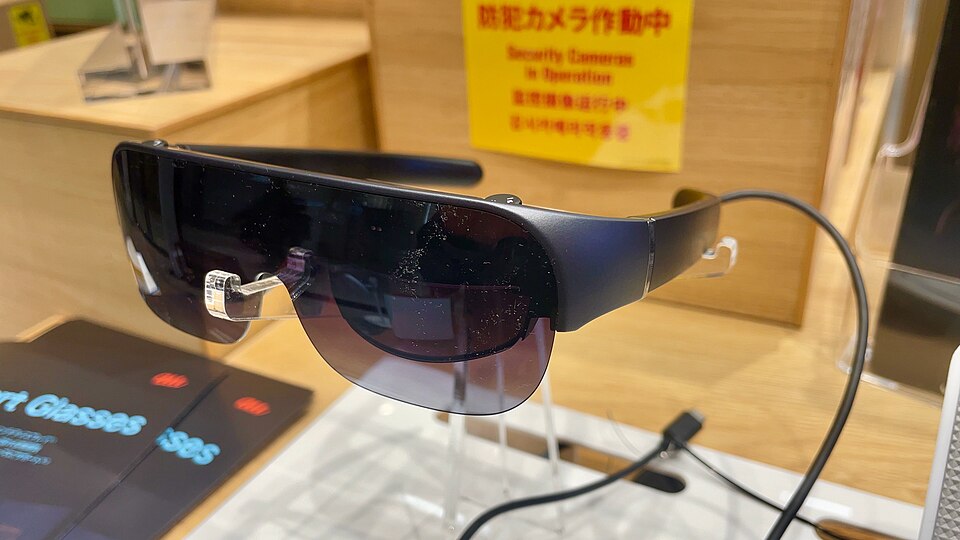
Norway is preparing legislation that could temporarily restrict the use of AI-enabled smart glasses in a range of public and privacy-sensitive locations, amid growing concerns that the
technology could allow people to be photographed, filmed or recorded without their knowledge.
The government said the proposed measures would target situations where people have a reasonable expectation that they will not be secretly recorded. Potentially affected locations include parks, beaches, museums, shopping centres and public events.
The restrictions could also extend to schools, playgrounds and youth clubs, as well as particularly privacy-sensitive settings such as doctors’ offices, swimming pools and gyms with changing facilities.
Digitalisation and Public Governance Minister Torgeir Micaelsen said the rapid development of wearable technology had created new privacy challenges that existing rules may not fully address.
The government stressed that it was not considering a blanket ban on AI glasses. Private use would remain permitted, as would situations where other people are not exposed to recording without their consent.
A key issue for lawmakers will be determining exactly which devices fall within the proposed rules. Officials are considering whether restrictions should cover glasses equipped with cameras and audio recording, AI-powered glasses with cameras, or a broader range of body-worn devices capable of recording images, sound or using artificial intelligence.
The minority government intends to submit legislation to parliament as soon as possible. It also plans to establish an expert group to examine longer-term national rules governing wearable technologies.
Norway's initiative comes as smart glasses become increasingly sophisticated and more widely available. Devices combining cameras, microphones and AI can capture and process information from their surroundings while appearing similar to ordinary eyewear, raising questions about consent and the ability of bystanders to know when they are being recorded.
The debate is also spreading beyond Norway. Privacy concerns surrounding camera-equipped smart glasses have prompted scrutiny in other countries and are becoming a significant issue for technology companies, retailers and regulators as AI-enabled wearables move into everyday use. Photo by Kyu3a, Wikimedia commons.