London has activated its Severe Weather Emergency Protocol (SWEP) for the first time this winter, as falling temperatures and increasingly unpredictable weather conditions highlight the
growing threat that extreme weather poses to public safety. The measures, introduced by Mayor Sadiq Khan and London Councils, will provide emergency accommodation for people sleeping rough and strengthen the capital’s response to severe cold.
Weather conditions and the increasing frequency of extreme weather events have become a growing challenge for cities across Europe. Severe cold, storms, flooding and other natural disasters can put vulnerable communities at particular risk, placing additional pressure on public services and emergency response systems. In response to these challenges, London is introducing additional measures this winter to protect residents and improve its ability to respond to dangerous weather conditions.
The Severe Weather Emergency Protocol was activated on Friday, 13 November, after forecasts indicated that temperatures in the capital could fall to zero degrees Celsius or below. The emergency measures are expected to remain in place until Monday, 16 November.
Under the protocol, London boroughs and homelessness charities will open additional emergency accommodation to ensure that people sleeping rough have access to warm and safe places during the cold spell. The Mayor of London also supports a capital-wide overflow accommodation service, providing additional capacity when local authorities require extra places.
The initiative is particularly important for people experiencing homelessness, who are among the most vulnerable to extreme winter conditions. Local authorities will continue working with outreach organisations to identify people sleeping on the streets and offer them emergency shelter. Londoners are also being encouraged to report cases of rough sleeping through the StreetLink service, enabling outreach teams to locate individuals and provide assistance.
This winter, the Mayor's office and London Councils are also introducing an enhanced approach to the emergency protocol. Under a new Enhanced SWEP trial, some boroughs will be able to open additional emergency accommodation when the UK Health Security Agency and the Met Office issue a Cold Health Alert for London, even if temperatures are expected to remain above freezing.
The change recognises that prolonged periods of severe weather can create dangerous conditions even when temperatures do not reach the traditional zero-degree threshold. It is intended to give local authorities greater flexibility to respond to weather-related risks and bring vulnerable people indoors before conditions deteriorate further.
The figures from last winter demonstrate the importance of these measures. The Severe Weather Emergency Protocol was activated for 11 nights, during which London boroughs provided emergency accommodation to 1,491 people.
The current initiative forms part of a broader strategy to address homelessness in the capital. Since Sadiq Khan became Mayor in 2016, more than 21,000 people have been helped off London's streets, with approximately three-quarters remaining off the streets permanently. Funding for rough sleeping programmes has also increased substantially. In the 2025/26 financial year, City Hall's budget for tackling rough sleeping was more than five times the £8.45 million allocated annually when Khan first took office.
The activation of the Severe Weather Emergency Protocol illustrates how local authorities are adapting public services to the challenges posed by increasingly difficult weather conditions. Beyond immediate emergency accommodation, the approach aims to connect vulnerable people with longer-term support and housing solutions through the Mayor's 'In for Good' policy, which encourages boroughs to assess individual needs and explore sustainable routes out of homelessness.
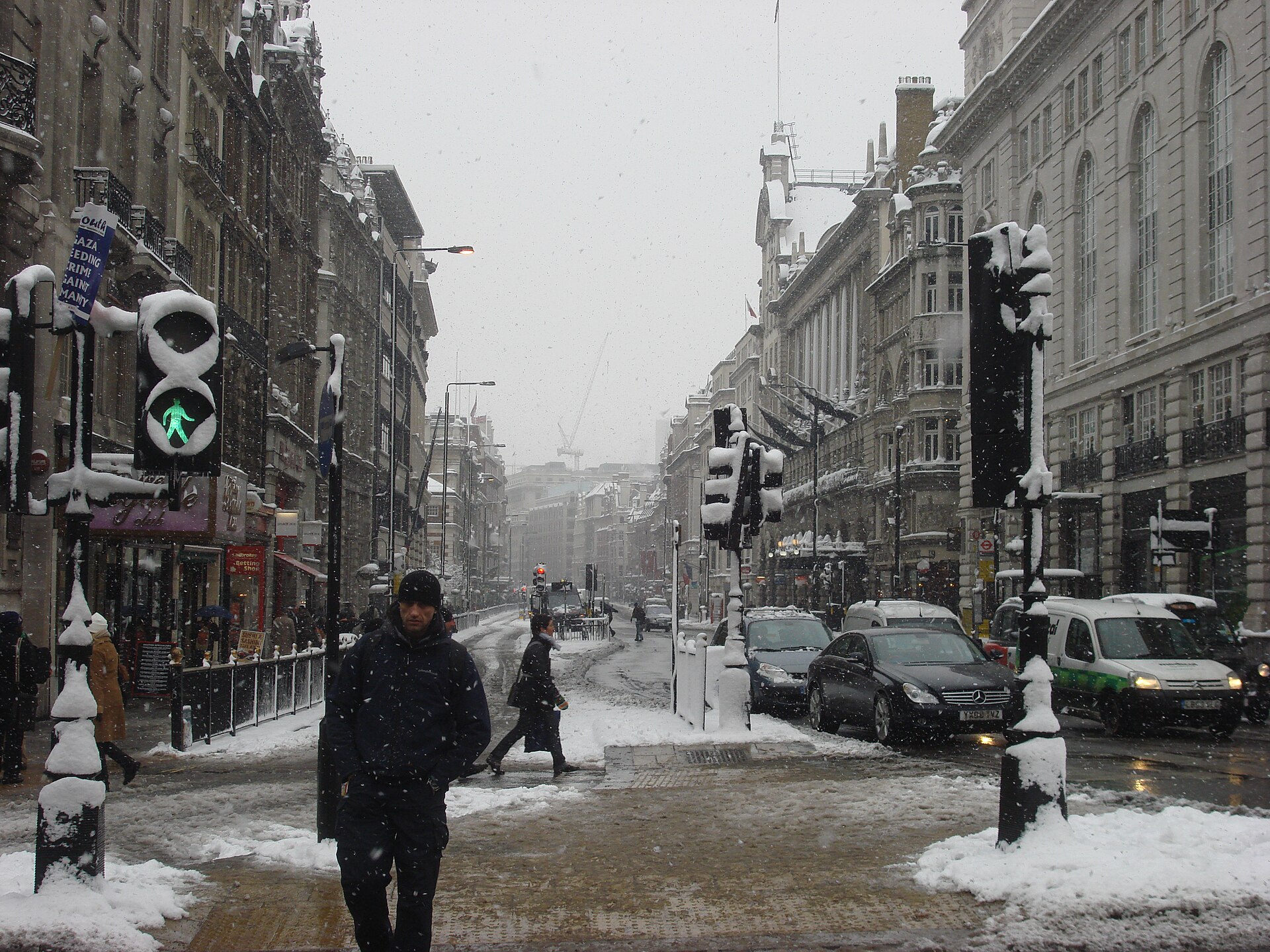
As winter progresses, London's experience highlights the importance of coordinated action between national agencies, local authorities and charitable organisations. Preparing for severe weather is becoming an increasingly important element of urban public policy, particularly as extreme weather events place greater demands on emergency services and social protection systems. Photo byPanhard, Wikimedia commons.