Britain’s monarch, King Charles III, is set to embark on a politically sensitive visit to the United States later this month, aiming to reinforce strained ties between London and Washington.
The four-day trip, beginning April 27, will include a private meeting and tea with U.S. President Donald Trump, as well as a full state reception at the White House.
Officially, the այցmarks the 250th anniversary of American independence—a symbolic milestone in a relationship once defined by conflict but now described as a “special relationship.” Yet behind the ceremonial pageantry lies a more urgent diplomatic mission. Tensions between the U.S. and the UK have intensified in recent months, particularly following disagreements over the Iran conflict and criticism directed at British Prime Minister Keir Starmer by Trump.
Buckingham Palace emphasized the broader purpose of the visit, describing it as an opportunity to “reaffirm and renew” bilateral ties at a time of global instability. Alongside Queen Camilla, the King will participate in a series of high-profile engagements, including a ceremonial welcome, a state dinner, and meetings with U.S. leaders.
A historic highlight of the trip will see Charles address the U.S. Congress, becoming only the second British monarch to do so after Queen Elizabeth II in 1991. The royal couple will also travel to New York to meet families of victims of the September 11 attacks, before concluding the U.S. portion of their visit in Virginia. Charles will then continue on to Bermuda, where he serves as head of state.
The visit underscores the monarchy’s enduring role in diplomacy, often described as Britain’s “soft power.” Despite political friction, Trump has maintained a consistent admiration for the royal family—something British officials hope can help smooth relations.
However, the trip has not been without controversy. Trump remains unpopular among the British public, and some politicians have questioned the wisdom of the visit. Ed Davey, leader of the Liberal Democrats, sharply criticized the president, warning of potential reputational risks for the monarchy.
Prime Minister Starmer, while navigating a delicate political balance, has defended the importance of maintaining strong transatlantic ties. He noted that the monarchy can play a unique role in bridging divides during difficult moments.
The visit is also expected to avoid sensitive issues, including renewed scrutiny surrounding the late financier Jeffrey Epstein and his connections to public figures, including the King’s brother, Prince Andrew. Palace sources indicated that any engagement with related matters would be carefully avoided to prevent interference with ongoing legal considerations.
Additional context – Charles’ previous U.S. visits:
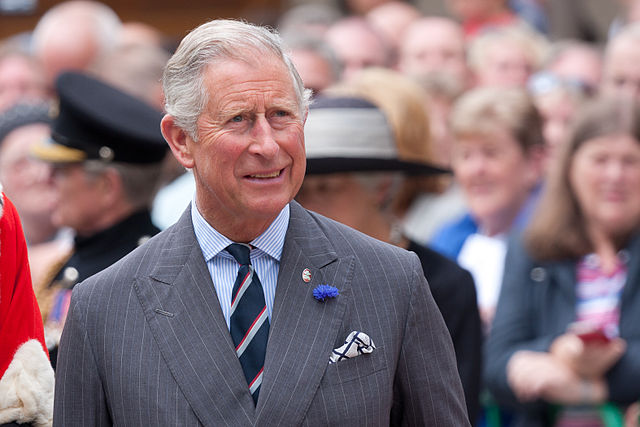
King Charles has a long history of visits to the United States, both as monarch and previously as Prince of Wales. Over the decades, he has traveled to cities such as Washington, New York, and San Francisco, often focusing on environmental issues, interfaith dialogue, and strengthening cultural ties. His earlier tours included meetings with multiple U.S. presidents and public engagements promoting sustainability and heritage conservation—key themes that continue to shape his diplomatic approach today. Photo by Dan Marsh, Wikimedia commons.