Global oil markets are bracing for another sharp rally as trading resumes Monday, following a volatile weekend marked by escalating tensions between the United States and Iran.
Crude prices had already climbed to their highest levels in nearly four years by Friday, driven by growing fears of supply disruptions in the Middle East. Analysts now warn that further gains are likely after a dramatic exchange of threats between Donald Trump and Iranian officials.
On Saturday, Trump issued a stark ultimatum, warning that the U.S. could “obliterate” Iran’s power infrastructure if Tehran fails to reopen the vital Strait of Hormuz within 48 hours. The statement marked a sharp escalation in rhetoric, coming just a day after he hinted at efforts to de-escalate the conflict, now entering its fourth week.
Iran responded swiftly on Sunday, cautioning that any U.S. action would trigger retaliatory strikes against American-linked infrastructure across the Gulf region — including critical energy and desalination facilities.
Markets reacted strongly even before the weekend developments. Brent crude futures surged 3.26% on Friday to settle at $112.19 per barrel, the highest level since mid-2022.
Analysts say the situation has injected a new layer of uncertainty into already fragile markets. Tony Sycamore of IG described the U.S. ultimatum as a “ticking time bomb,” suggesting that unless tensions ease quickly, prices could spike further.
Energy expert Amrita Sen echoed those concerns, noting that the current trajectory points toward deeper escalation rather than resolution. “This is a strategy of out-escalation,” she said, warning it could lead to severe damage to Gulf energy infrastructure.
So far, the conflict has already disrupted regional supply chains. Iran has launched retaliatory strikes targeting ports and refineries in countries including Saudi Arabia, Kuwait, Bahrain, the UAE, and Qatar. The temporary closure of the Strait of Hormuz — a critical artery for global oil shipments — has reportedly removed roughly 440 million barrels from the market during the conflict.
Despite the widespread attacks, Iran has avoided targeting major desalination plants in the Gulf, which supply drinking water to millions. According to the Atlantic Council, damage to these facilities could trigger humanitarian crises, rendering major cities uninhabitable within weeks.
Weekly market performance reflects the growing strain. Brent crude rose nearly 9%, while U.S. benchmark WTI lagged slightly, widening its discount to Brent to the largest gap in over a decade.
Looking ahead, restoring disrupted supply may take months. Fatih Birol, head of the International Energy Agency, indicated that bringing Gulf production back to normal levels could take up to six months.
Meanwhile, reports from Axios suggest the U.S. is weighing more aggressive options, including a potential blockade or occupation of Iran’s Kharg Island — a key oil export hub — in an effort to force Tehran’s compliance.
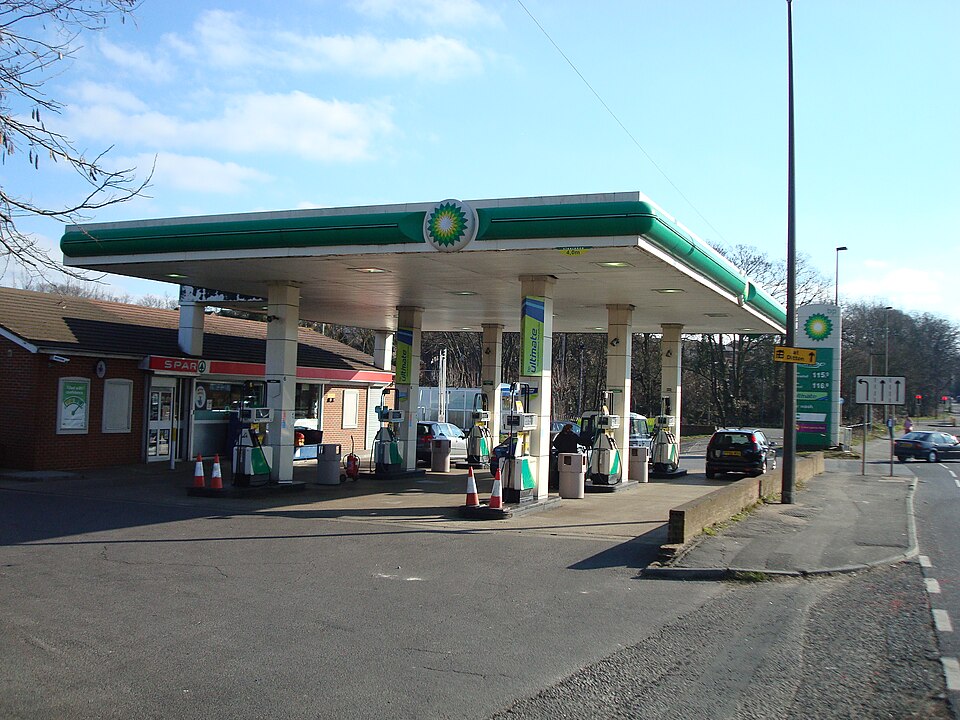
With geopolitical risks mounting and supply chains under pressure, oil markets appear set for another turbulent week. Photo by Stacey Harris, Wikimedia commons.