The escalating confrontation between Israel and Iran showed no signs of slowing on Friday, as both nations launched fresh strikes in a rapidly deepening crisis that is reverberating across the
Middle East and global energy markets.
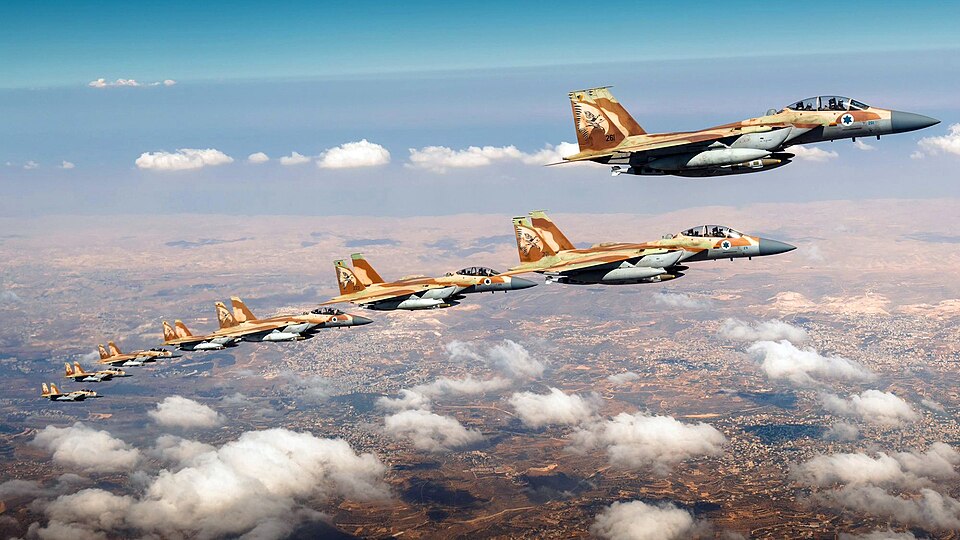
Israeli forces carried out new targeting Tehran, describing the strikes as aimed at the “infrastructure of the Iranian terror regime.” Officials offered few operational details. In response, Iran fired a new wave of missiles toward Israel, triggering air raid sirens in Tel Aviv and prompting a series of interceptions that echoed across the city skyline.
The latest escalation follows a significant Iranian strike a day earlier on an Israeli oil refinery, underscoring the expanding scope of the conflict into critical energy infrastructure.
Since the joint U.S.-Israeli offensive began on February 28, the war has resulted in thousands of casualties—most of them in Iran and Lebanon—and has spread instability across the broader region, with mounting consequences for the global economy.
Tensions widened further on Friday as the United Arab Emirates reported a missile threat during the early hours of Eid al-Fitr, while Kuwait confirmed a drone strike on one of its oil refineries. The attacks signal an alarming expansion of hostilities beyond the primary combat zones.
Energy markets under pressure
Global energy markets have been jolted by a series of coordinated strikes on key infrastructure. Iran’s earlier retaliation included a hit on Qatar’s Ras Laffan Industrial City—one of the world’s most critical liquefied natural gas hubs—raising concerns about long-term supply disruptions.
Additional attacks targeted Saudi Arabia’s Red Sea port facilities, threatening alternative export routes amid ongoing risks in the Strait of Hormuz—a vital artery for nearly 20% of global oil shipments.
Despite the turmoil, oil prices dipped slightly on Friday after Western nations and Japan pledged support to secure maritime routes, while the United States outlined plans to boost oil production to stabilize supply.
The strikes have highlighted both Iran’s capacity to disrupt global energy flows and the limitations of regional air defense systems in protecting strategic assets.
Political pressures mount
U.S. President Donald Trump has faced growing political pressure as rising fuel prices threaten domestic economic stability ahead of key elections. Speaking from the Oval Office, Trump said he had urged Israeli Prime Minister Benjamin Netanyahu to refrain from further attacks on shared gas infrastructure.
“I told him, ‘Don’t do that,’ and he won’t,” Trump said, though Netanyahu later indicated Israel had acted independently in previous strikes on Iran’s South Pars gas field.
Netanyahu also claimed Iran’s military capabilities had been severely degraded, though he acknowledged that any regime change would likely require ground operations.
Uncertain path forward
Analysts suggest the conflict may be reshaping political dynamics in both countries. While Netanyahu’s position at home appears strengthened, Trump faces increasing challenges as the conflict drags on without a clear exit strategy.
The war, which began amid diplomatic efforts over Iran’s nuclear program, now risks spiraling into a broader regional confrontation with global implications.
With no immediate resolution in sight, the continued targeting of energy infrastructure raises fears of prolonged economic disruption—and a conflict that could expand far beyond its current boundaries. Photo by IDF Spokesperson's Unit / CC BY-SA 3.0, Wikimedia commons.