Britain and its allies are weighing up fresh sanctions against Russia after concluding that opposition leader Alexei Navalny was poisoned with a rare toxin derived
from South American dart frogs, the Foreign Secretary has said.
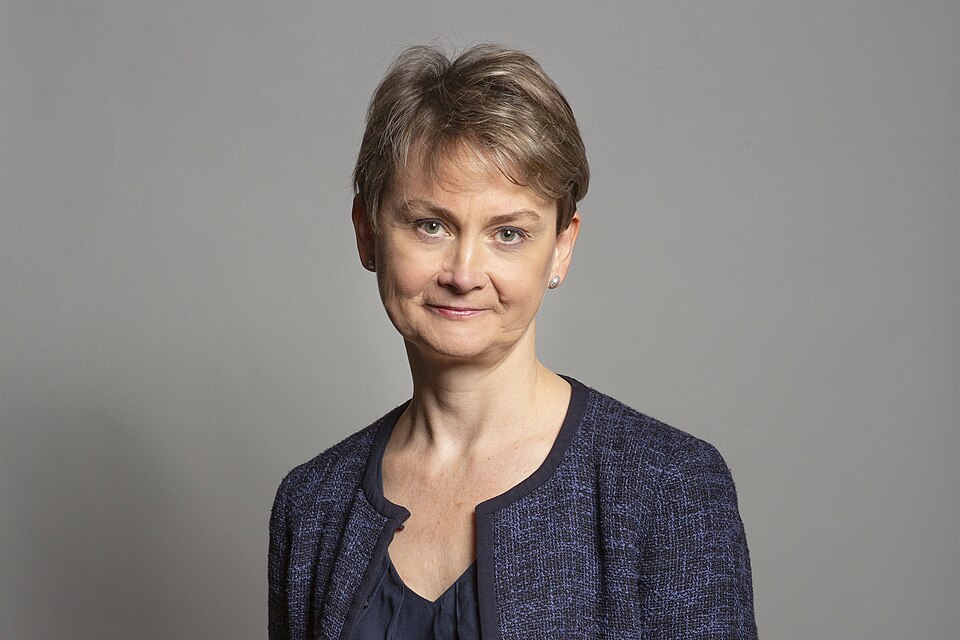
Speaking after a joint statement by the UK and four European partners, Foreign Secretary Yvette Cooper said the findings pointed firmly to Russian state responsibility and warned that further coordinated action could follow.
On Saturday, the UK, alongside Sweden, France, Germany and the Netherlands, publicly blamed the Kremlin for Navalny’s death, two years after he collapsed and died in a Siberian penal colony. Investigators said analysis of samples taken from his body revealed traces of epibatidine, a powerful toxin found naturally in wild dart frogs native to South America.
According to the Foreign Office, there is “no innocent explanation” for the presence of the substance. It is not naturally found in Russia and is extremely difficult to obtain, strengthening the case that the poisoning was deliberate and state-linked.
Russia’s embassy in London rejected the claims outright, dismissing them as a Western fabrication and accusing European governments of exploiting Navalny’s death for political ends.
Appearing on Sunday With Laura Kuenssberg, Ms Cooper pushed back strongly, describing the accusations as “deeply serious” and insisting the government had evidence to support them.
“The statement that we made shows that we do have the evidence,” she said, adding that Britain and its partners were already discussing next steps. Those could include additional sanctions aimed at increasing pressure on Moscow.
The five European countries have also referred Russia to the **Organisation for the Prohibition of Chemical Weapons**, accusing it of breaching international conventions banning chemical toxins.
Ms Cooper said any new measures would sit alongside existing sanctions imposed in response to Russia’s invasion of Ukraine, now approaching its fourth anniversary. She stressed the importance of acting in lockstep with allies, arguing that collective pressure remains the most effective way to confront the Russian regime.
Reflecting on Navalny’s legacy, the Foreign Secretary quoted one of his best-known messages: “Tell the truth, spread the truth.” She said that commitment now guided the UK’s approach. “He is no longer able to do that himself, but we continue to do it for him, and for his widow,” she added.
Elsewhere, senior Conservative Priti Patel warned that the West faces an increasingly hostile global environment, describing an emerging “axis of authoritarianism” involving Russia, China, North Korea and Iran.
Speaking to Sunday Morning With Trevor Phillips ahead of the Munich Security Conference, she said the United States remained a “natural ally” for Europe in confronting those threats.
In a combative statement, the Russian embassy in London likened the Navalny findings to the Skripal case, accusing Western governments of hysteria and contradiction. It questioned whether the poisoning narrative involved a frog-derived toxin or Novichok, and condemned what it called “necro-propaganda”.
Despite Moscow’s denials, UK officials insist the evidence is compelling — and that Russia should prepare for further diplomatic and economic consequences if it continues to reject responsibility. Photo by David Woolfall, Wikimedia commons.