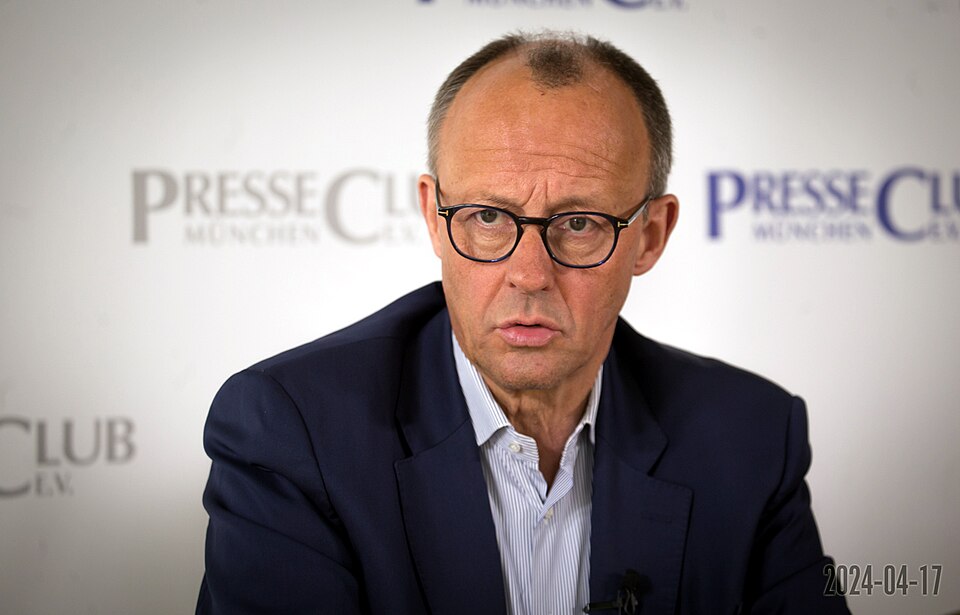
Germany is exploring the idea of a shared European nuclear umbrella with its allies, Chancellor Friedrich Merz said, as debates intensify across the continent over how
to strengthen security amid shifting U.S. foreign policy priorities.
Speaking against a backdrop of rising transatlantic tensions, Merz said discussions among European partners were still at an early stage and no concrete decisions had been made. The comments come as U.S. President Donald Trump questions long-standing alliance commitments, prompting European governments to reassess their reliance on Washington for defence.
“We know that important strategic and military policy decisions lie ahead,” Merz told reporters on Thursday. “But at this moment, the time is not ripe.”
Germany is legally barred from developing nuclear weapons under the 1990 Four Plus Two agreement that paved the way for reunification, as well as the Nuclear Non-Proliferation Treaty signed in 1969. Merz stressed, however, that these commitments do not prevent Berlin from discussing joint nuclear arrangements with allies.
He confirmed that talks were under way with partners such as Britain and France — the only two European countries that possess nuclear arsenals — and said such discussions would not conflict with existing nuclear-sharing arrangements between Europe and the United States.
“For decades, Europe has depended heavily on the U.S. nuclear umbrella,” Merz said. “These conversations are complementary, not contradictory.”
European defence policy has been under renewed scrutiny as many countries increase military spending, partly in response to sharp criticism from the Trump administration. Trump has repeatedly warned that the U.S. may not defend allies that fail to meet defence spending targets, unsettling governments across NATO.
Tensions have also been fuelled by Trump’s past remarks about acquiring Greenland from Denmark — a NATO member — and by tariff threats aimed at countries opposing U.S. policy, although some of those measures were later rolled back.
Merz’s remarks were echoed by Thomas Röwekamp, head of Germany’s parliamentary defence committee, who said the country could play a key technological role in a future European nuclear initiative.
“Germany does not possess missiles or warheads,” Röwekamp told Welt TV. “But we do have significant technological capabilities that could contribute to a joint European project.”
While any move toward a European nuclear shield remains politically and legally complex, the renewed discussion signals a broader shift in how Europe is thinking about its long-term security — and how much it can continue to rely on the United States. Photo by Michael Lucan, Wikimedia commons.