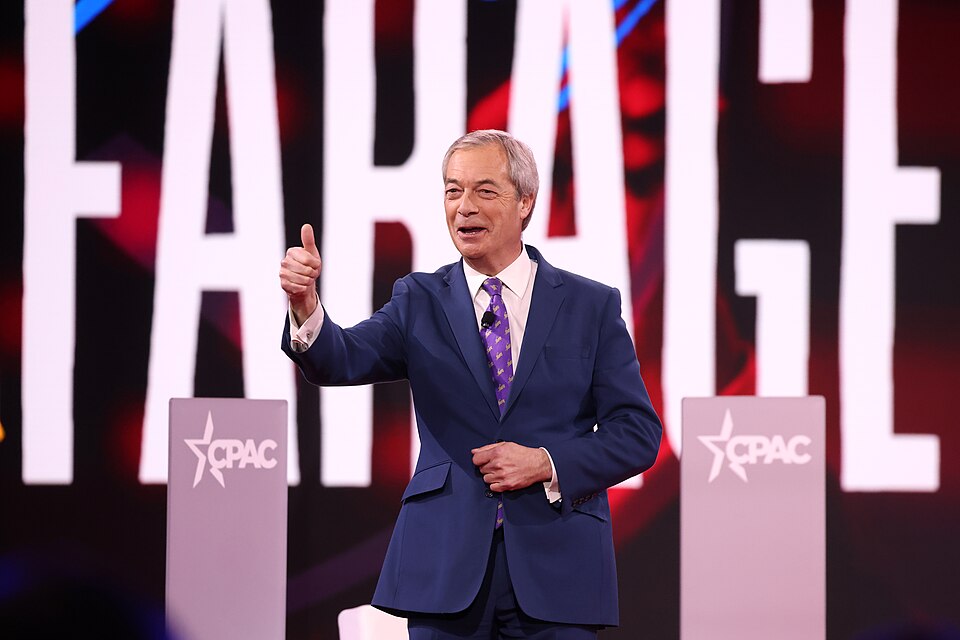
Nigel Farage is once again positioning himself as a disruptor of British politics—this time with a bold claim: the old political order is finished, and a new era is beginning.
The leader of Reform UK believes the same populist energy that powered the Brexit campaign nearly a decade ago can now propel his party into government, potentially all the way to Downing Street.
“The world is changing,” Farage said in a recent interview, as his party begins to flesh out a sweeping policy agenda. That programme includes controversial proposals such as mass deportations, withdrawing from international human rights frameworks, and cutting overseas aid.
Farage pointed to a noticeable shift in how he is received on the global stage. Speaking about his recent visit to the World Economic Forum in Davos, he described a warmer reception than in previous years. “A third of the people I met were genuinely interested,” he said, predicting that figure will grow.
Rising poll numbers, big ambitions
Reform UK is currently enjoying a surge in opinion polls, even outpacing the governing Labour Party led by Keir Starmer in some surveys. That momentum has emboldened Farage’s claim that his party could realistically contest power at the next general election.
At the heart of his pitch is a rejection of what he calls a liberal “orthodoxy” that has dominated British politics. Farage argues this culture—shaped by progressive ideals—has left many citizens disconnected from national identity.
He aligns himself with a broader global movement, citing figures like Donald Trump, Viktor Orban, and Javier Milei as leaders driving sweeping change.
A divisive figure
Despite his confidence, Farage remains one of the most polarising figures in British politics. Supporters view him as a champion of ordinary voters; critics see him as a source of division.
Political analyst Tim Bale summed it up succinctly: Farage is both Reform’s greatest asset and its biggest liability—deeply admired by loyal supporters but widely distrusted by others.
Reform’s limited parliamentary presence—just eight MPs in a 650-seat chamber—also raises questions about its readiness to govern.
Policy vision: radical or unrealistic?
The party’s developing platform is ambitious and controversial. It includes:
- Scrapping diversity and net-zero climate policies
- Expanding domestic oil and gas production
- Reducing the size of the civil service
- Positioning Britain as a global cryptocurrency hub
Critics argue the agenda mirrors elements of Trump-era politics, a comparison Farage rejects. Instead, he insists his approach is rooted in “family, community, and country.”
Labour officials have dismissed Reform’s plans as incoherent, while Conservative leader Kemi Badenoch has questioned whether the party has any serious vision for the future.
Global links and strategic ambitions
Farage and his allies also emphasise their connections in Washington, suggesting these relationships could strengthen Britain’s global standing. He claims alignment with Trump on issues like border control, energy independence, and geopolitical threats.
Behind the scenes, Reform figures are reportedly engaging with wealthy expatriates and business leaders abroad, raising significant funds. According to official data, the party has attracted millions in donations—much of it from overseas supporters.
Adviser Alan Mendoza argues Britain must prove its value on the global stage, particularly by increasing defence spending and strengthening ties with the United States.
The bigger picture
For Farage and his team, this moment represents more than just another electoral cycle—it is, in their view, a turning point in modern politics.
“The old world is over,” one senior adviser said. “The question now is: what comes next?”
Whether Reform UK can transform momentum into power remains uncertain. But one thing is clear—Farage is betting that Britain is ready for a political upheaval. Photo by Gage Skidmore from Surprise, AZ, United States of America, Wikimedia commons.