The personal security of British politicians is becoming one of the most pressing challenges facing UK law enforcement agencies. Despite strict legislation and the availability of criminal
penalties for threats, harassment and hate crimes, elected representatives continue to face growing levels of intimidation, abuse and threats of violence. The latest case involving Conservative Party leader Kemi Badenoch highlights the seriousness of the problem and raises questions about the protection of politicians and their families.
A 43-year-old former teacher from Kent has been sentenced to 20 weeks in prison after sending racist threats and abusive messages to Badenoch, the leader of the UK's opposition Conservative Party. The offender, Kieran Kyle, sent three emails to the politician in early May, using deeply offensive racist language and threatening to kill her.
The harassment also extended to Badenoch's family. Several days before the threats were sent directly to the Conservative leader, Kyle emailed her husband using a different racist expression. In the message, he criticised Badenoch's public statements and suggested that her husband should "put a leash on her". He subsequently sent another email to her husband in May.
Badenoch, 46, made history two years ago by becoming the first Black woman to lead one of Britain's major political parties. According to the court, the messages had a significant psychological impact on her and caused considerable stress and anxiety for her family. Her husband also described the racial nature of the communications as particularly distressing.
During the sentencing hearing, District Judge Sam Goozee emphasised that threatening and abusive communications directed at elected representatives pose a threat not only to individuals but also to democratic institutions.
The judge warned that using electronic communications to intimidate, abuse or terrify politicians undermines the democratic process. He also stressed that individuals who harass public figures, particularly by targeting their race or religion, should expect deterrent sentences.
Kyle pleaded guilty in September to two counts of sending communications of an indecent or offensive nature. His 20-week prison sentence represents a clear indication that British courts regard threats against elected representatives as a serious criminal matter.
The case comes amid wider concerns about the safety of politicians in the United Kingdom. Public figures increasingly operate in an environment where political disagreements can escalate into personal harassment, racist abuse and direct threats of violence. Such incidents can affect not only the politicians themselves but also their relatives, colleagues and staff.
The growing problem has wider implications for British democracy. Threats and intimidation can discourage people from entering public life, restrict politicians' ability to communicate openly with voters and undermine confidence in democratic institutions. The challenge for law enforcement is therefore not simply to prosecute offenders after crimes have been committed, but also to identify potential threats and prevent attacks before they occur.
The sentencing of Kieran Kyle sends a strong message that racist intimidation and death threats against politicians will not be tolerated. However, the persistence of such incidents demonstrates that criminal penalties alone may not be sufficient. Protecting elected representatives requires effective cooperation between police forces, security services, political institutions and online platforms, alongside measures to address the growing culture of hatred and intimidation in public debate.
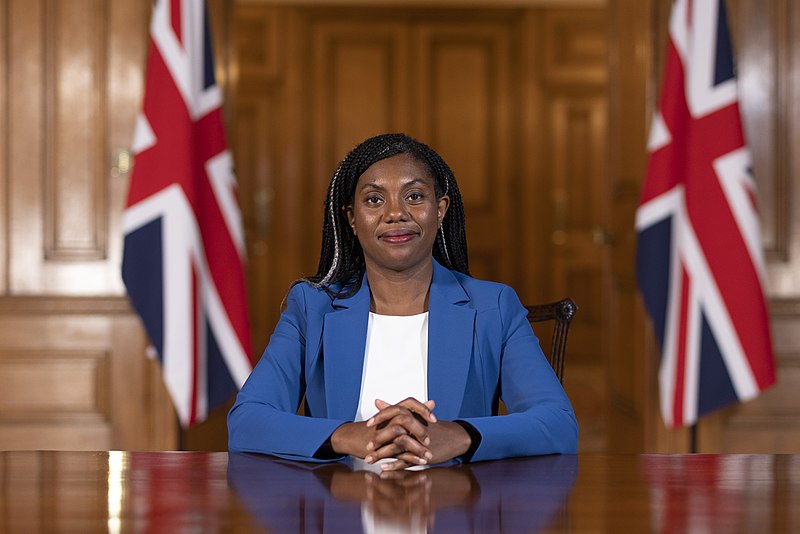
Ultimately, ensuring the safety of politicians is not merely a question of protecting individual public figures. It is an essential condition for maintaining an open democratic system in which elected representatives can perform their duties without fear of violence, harassment or threats directed at their families. Photo by Department for International Trade and The Rt Hon Kemi Badenoch MP Simon Dawson / No 10 Downing Street, Wikimedia commons.