British businesses are set to benefit from almost £800 million in annual savings as the government announces a package of reforms designed to reduce administrative burdens, simplify
regulatory requirements and extend tariff relief on hundreds of imported products.
The measures, unveiled by Prime Minister Andy Burnham and Chancellor John Healey ahead of next week’s Budget, aim to give companies more time and financial flexibility to invest, expand operations and create jobs rather than spend valuable resources navigating complex paperwork.
The reforms will affect businesses across a wide range of industries, from independent retailers and family-run food businesses to manufacturers, financial services companies and larger corporate groups. According to the government, the combined changes will deliver substantial savings by eliminating duplicated reporting obligations, simplifying compliance procedures and reducing import costs.
Prime Minister Andy Burnham said businesses should be able to concentrate on serving customers, employing people and developing their operations instead of dealing with unnecessary administrative requirements. He argued that reducing bureaucracy would help companies grow, support local communities and contribute to economic growth throughout Britain.
Major changes to reporting requirements and import tariffs
The government’s package includes a series of regulatory reforms intended to make it easier and less expensive for businesses to comply with official requirements.
One of the central measures involves simplifying corporate reporting rules, potentially saving companies operating within larger corporate groups up to £20,000 annually. Broader changes to company reporting requirements are expected to generate savings of approximately £290 million a year.
Asset managers will also benefit from reduced duplication in reporting, with the government estimating annual savings of £105 million for the sector. Meanwhile, proposed improvements to the home-buying and selling process are expected to reduce costs for businesses involved in property transactions by around £116 million annually.
In total, the regulatory and administrative reforms are projected to save businesses more than £600 million each year.
A further £155 million in annual savings is expected from extending the suspension of import tariffs on more than 250 products used by British businesses. The measure is intended to help companies manage input costs and ease some of the financial pressure associated with importing goods and materials.
Chancellor John Healey said companies had repeatedly expressed frustration with paperwork that consumes both time and money without delivering sufficient practical benefits. He said the government wanted to remove unnecessary obstacles so businesses could invest, innovate and generate employment.
Small businesses to have a greater say in policymaking
Alongside the financial measures, ministers are introducing changes developed with the Small Business Taskforce, which has worked with business representatives to identify regulations and administrative practices that unnecessarily complicate day-to-day operations.
The Prime Minister and Business Secretary Jonathan Reynolds are due to meet small business owners and representative organisations, including the Federation of Small Businesses, at Number 10 North to discuss the recommendations and the government’s response.
The government intends to make public procurement more accessible to smaller companies by standardising requirements in sectors such as construction. This should reduce the administrative work involved in bidding for public contracts and help smaller suppliers compete for government business.
Other proposals include simplifying surveys conducted by the Office for National Statistics, reducing the volume of information businesses must submit. Ministers also plan to improve access to business advice and regulatory guidance through GOV.UK and establish a mechanism through which small firms can flag rules they consider disproportionate.
The government will also advance its “Tell Us Once” approach, aimed at reducing the need for businesses to provide the same information to different public bodies. As part of this programme, the requirement for companies to file profit-and-loss accounts with Companies House is to be paused for April 2028.
Business Secretary Jonathan Reynolds said the reforms reflected concerns raised directly by entrepreneurs and employers. He stressed that businesses should spend their time producing goods, serving customers and investing in growth rather than completing repetitive forms. He added that companies should have a stronger voice in shaping the regulations that affect them.
Government targets a 25% reduction in regulatory burdens
The package forms part of a wider government commitment to reduce the administrative costs of regulation for businesses by 25% by the end of the parliamentary term.
Ministers estimate that achieving this objective could free up approximately 280 million working hours annually for UK businesses with employees, allowing them to redirect resources towards commercial activity, productivity improvements and expansion.
Small businesses are a particular focus of the initiative. They support around 13 million jobs across Britain and play a significant role in innovation, local employment and the economic life of communities.
The government argues that removing unnecessary bureaucracy could be especially valuable for smaller firms, which often lack the dedicated compliance teams available to larger corporations.
Business reforms ahead of the Budget
The announcement comes shortly before the government’s forthcoming Budget, with ministers presenting the changes as part of a broader effort to improve the conditions for businesses operating in Britain.
The reforms are intended to establish a closer working relationship between government and the private sector, with policy development increasingly informed by the practical experiences of employers and business owners.
By combining regulatory simplification with tariff relief, ministers hope to reduce operating costs and encourage businesses to invest with greater confidence. The effectiveness of the programme will ultimately depend on how quickly the changes are implemented and whether the projected savings translate into tangible benefits for companies across the country.
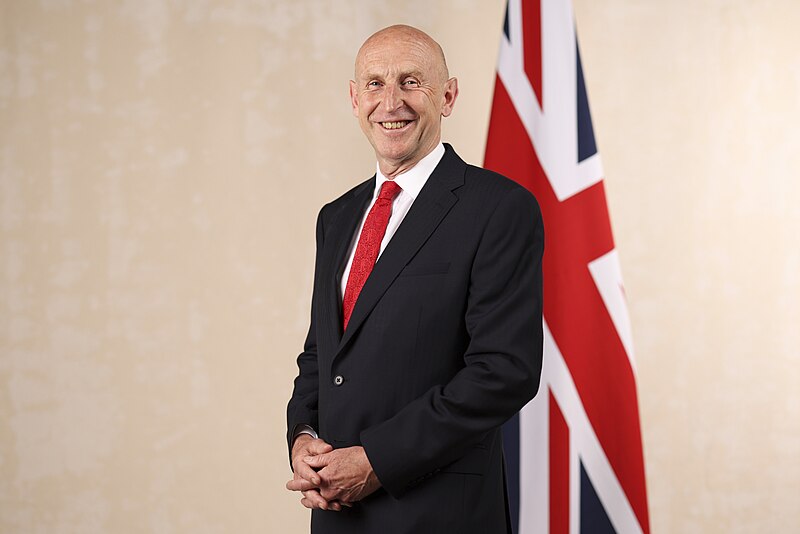
The government says the overall objective is to create a business environment in which companies face fewer unnecessary administrative obstacles and have greater capacity to grow, employ workers and contribute to the UK economy. Photo by Lauren Hurley / No 10 Downing Street, Wikimedia commons.