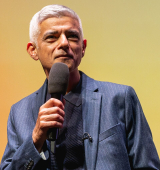
Prime Minister Andy Burnham has said Britain should examine the full range of possible relationships with the European Union, including the prospect of eventually rejoining the bloc,
as his government seeks to reset ties with Europe.
Speaking to the BBC after addressing the Labour Party conference, Burnham said the UK should assess different models for its relationship with the EU rather than treating the current post-Brexit settlement as permanent. He said the choices should be judged according to what is politically and practically achievable, as well as their potential benefits and drawbacks.
Among the possibilities, Burnham identified maintaining the existing arrangements, establishing a customs union with the EU, moving back into the European single market, or ultimately seeking full EU membership.
A customs union has been advocated by former Conservative Chancellor George Osborne, while the Liberal Democrats have called for Britain to return to the single market. Burnham said these alternatives should be considered alongside the possibility of going further and reversing Brexit altogether.
“We could stay as we are. That's definitely an option,” Burnham said. He added that Britain could consider a customs union, closer single-market integration, or “go all the way.”
Brexit back at the centre of political debate
Burnham's comments mark a further expansion of the debate over Britain's relationship with Europe. The UK voted to leave the EU in 2016 after more than four decades of membership, beginning a prolonged period of political and economic uncertainty surrounding the country's future ties with its largest trading partner.
At the Labour conference, Burnham argued that Brexit had “done more harm than good” and said Britain now needed to decide what should come next. He has previously said that he would like to see the UK rejoin the EU during his lifetime, although his government has not announced a policy to seek immediate membership.
The prime minister is expected to use a UK-EU summit in November to present a range of possible long-term arrangements and open a broader discussion about Britain's future relationship with European partners.
Burnham has framed the initiative as an attempt to establish a more durable consensus on Britain's relationship with Europe, rather than immediately committing the government to a specific model. His comments therefore leave open a spectrum ranging from limited cooperation under the existing Brexit framework to substantially deeper economic integration or eventual EU membership.
The debate comes as both London and Brussels continue to explore ways of reducing barriers created by Brexit. The European Commission has recently pressed Britain to align some trade policies more closely with the EU, while the British government has continued to emphasise the importance of maintaining independent trade policy.
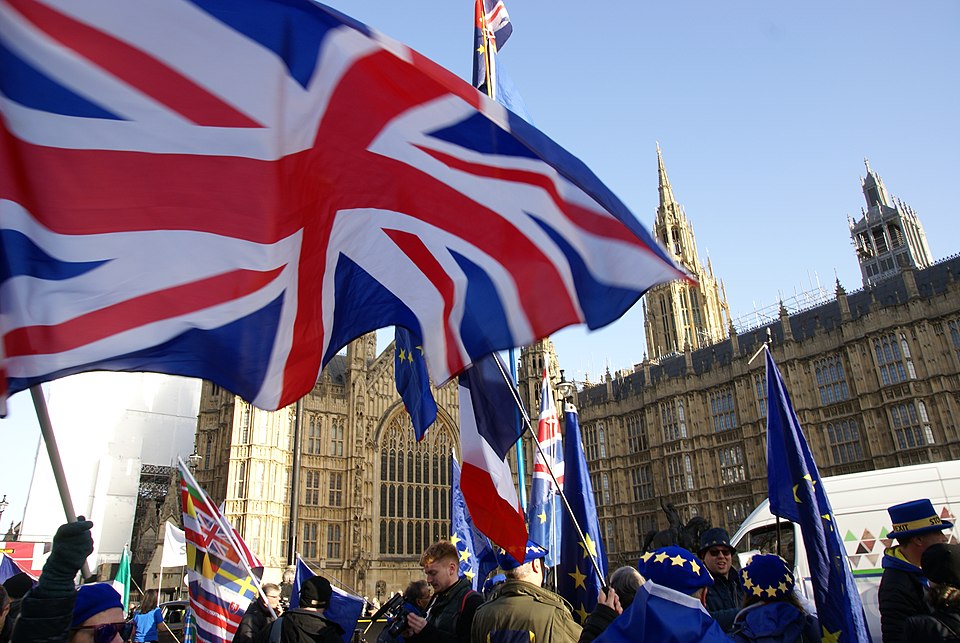
For Burnham, the immediate task is to determine which elements of a closer European relationship are feasible and what political support they could command. The November summit is expected to provide an early opportunity for the government to set out those choices in greater detail. Photo by ChiralJon, Wikimedia commons.