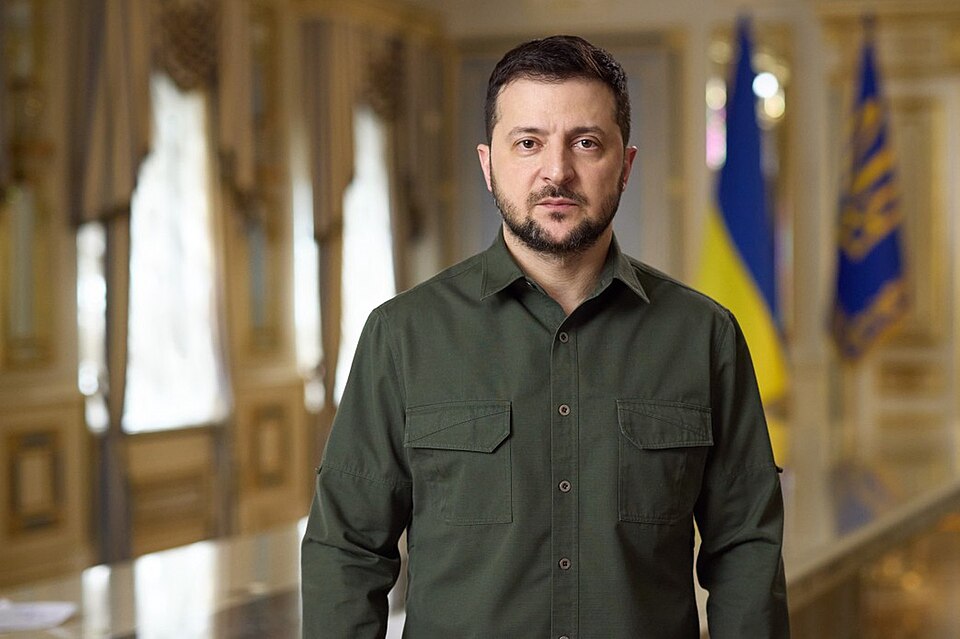
Ukrainian President Volodymyr Zelensky has accused Russia of continuing to target Ukraine’s energy infrastructure, reporting 76 attacks on the country’s energy, oil and gas sectors in the
week following US President Donald Trump’s announcement of a halt to strikes on energy facilities.
In a statement published on X on Sunday, Zelensky said Russian forces had repeatedly attacked critical infrastructure despite the proposed pause in hostilities. The latest reported strikes targeted electrical substations in the Vinnytsia, Zhytomyr, Khmelnytskyi and Odesa regions, threatening facilities essential to the country’s power supply.
“Since the American President announced the energy ceasefire a week ago, Russia has deliberately attacked Ukraine’s energy and oil and gas sectors 76 times,” Zelensky wrote.
The Ukrainian leader’s statement raises fresh questions about the prospects for a limited agreement to protect energy infrastructure amid the continuing war. Neither Kyiv nor Moscow has officially confirmed the ceasefire arrangement announced by Trump, leaving its precise terms, scope and enforcement mechanisms unclear.
The reported attacks underscore the difficulty of securing even a narrowly defined pause in fighting while the broader conflict remains unresolved.
Energy infrastructure remains a key target
Ukraine’s electricity network, power stations, substations, oil and gas facilities have been repeatedly affected by Russian attacks since Moscow launched its full-scale invasion in February 2022. Strikes on energy infrastructure have become a major feature of the war, with consequences for households, businesses, hospitals and other essential services.
Substations are particularly important because they connect different parts of the electricity grid and help distribute power from generating facilities to consumers. Damage to these installations can disrupt electricity supplies even when power plants themselves remain operational.
Attacks on oil and gas infrastructure can also affect domestic fuel availability, industrial production and the functioning of heating systems. Repairing damaged equipment may require specialised components, while repeated strikes can make restoration work more difficult and dangerous.
Ukraine has invested heavily in repairing its energy network and strengthening its resilience, including through emergency equipment, alternative supply arrangements and measures intended to protect critical facilities. However, the scale and frequency of attacks continue to place pressure on the country’s energy security.
Ceasefire announcement faces uncertainty
Trump’s announcement of a halt to attacks on energy infrastructure raised hopes that Washington might be able to secure a limited de-escalation between Russia and Ukraine, even without a comprehensive ceasefire.
Such an arrangement could reduce the risk of further damage to essential services and provide some relief to civilians living with the consequences of the war. It could also serve as a preliminary step towards broader negotiations, provided both sides accepted clear conditions and demonstrated compliance.
However, the absence of formal confirmation from either Kyiv or Moscow complicates efforts to establish whether a mutually recognised agreement is in force. Without a clearly defined scope, monitoring procedures and a mechanism for addressing alleged violations, competing claims about attacks are likely to remain a source of dispute.
Zelensky’s latest statement suggests that Ukraine does not consider its energy infrastructure to have received effective protection following the US announcement. The reported strikes also highlight the challenge facing diplomatic efforts to translate public commitments into changes on the battlefield.
Wider war continues despite diplomatic efforts
The dispute over energy attacks comes as Russia’s war against Ukraine continues to impose heavy military, economic and humanitarian costs. Since the full-scale invasion began in February 2022, fighting has caused extensive destruction, displaced millions of Ukrainians and prompted sustained international efforts to support Kyiv and pressure Moscow to end the conflict.
Energy infrastructure has strategic importance beyond its immediate civilian use. Disrupting electricity and fuel supplies can affect military logistics, industrial capacity and economic activity, while also increasing pressure on the civilian population. For Ukraine, maintaining a functioning power grid is therefore both a humanitarian necessity and a central element of national resilience.
The conflict has also repeatedly demonstrated the limits of diplomatic initiatives that lack agreed implementation procedures. Temporary pauses, proposals for localised ceasefires and wider negotiations have faced difficulties over verification, the sequencing of commitments and disagreements about the conditions required for a lasting settlement.
For the United States and its European partners, the challenge is to determine whether a limited agreement can be made sufficiently credible to reduce attacks and create momentum towards broader negotiations. For Ukraine, the immediate priority remains protecting critical infrastructure and ensuring that civilians retain access to electricity, heating and other essential services.
The latest allegations leave the status of the proposed energy ceasefire uncertain. While Washington has signalled an interest in reducing attacks on energy facilities, the effectiveness of any such initiative will depend on whether Russia and Ukraine formally accept its terms and whether compliance can be independently assessed.
The broader context has become more serious in recent days. On October 17, Ukrainian officials reported that Russian attacks had killed at least eight people, injured around 60 and left more than one million people without electricity. The reported strikes affected several regions, including Kharkiv, Kramatorsk, Volyn and Rivne. Photo by President.gov.ua, Wikimedia commons.