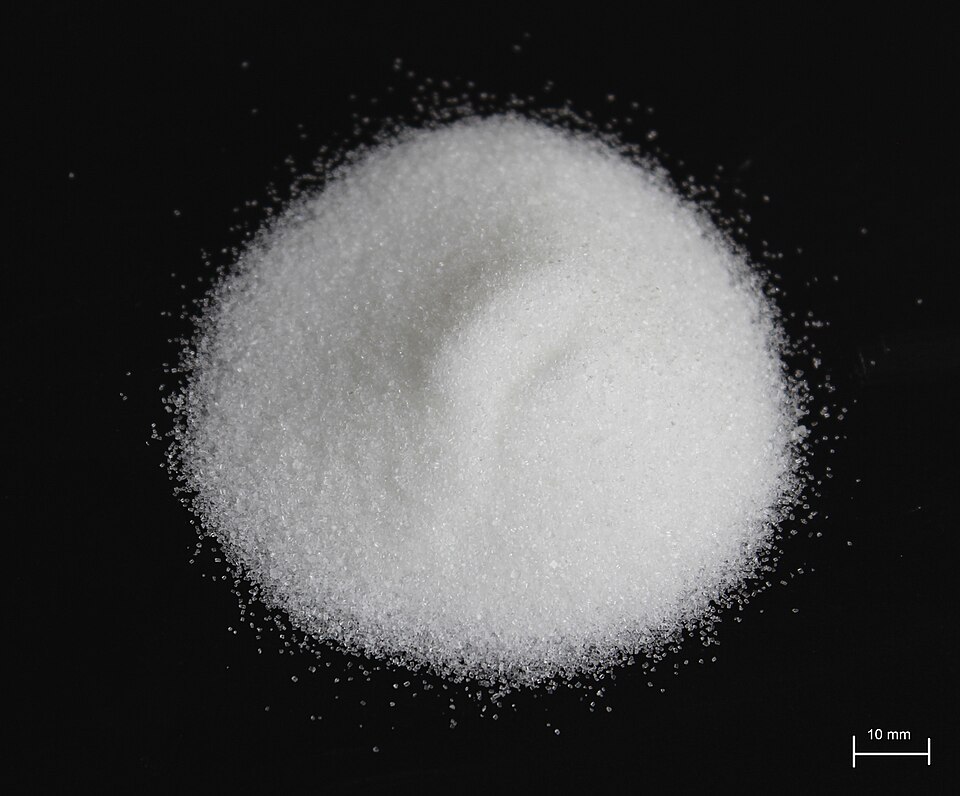
India is considering stricter rules on infant nutrition products, with the country’s food safety regulator proposing a ban on adding sucrose and fructose to foods intended for babies aged up
to six months.
The proposal, announced on Saturday by the Food Safety and Standards Authority of India (FSSAI), seeks to limit infants’ exposure to added sugars and reduce potential health risks associated with excessive sugar consumption, including childhood obesity.
Under the current regulations, lactose and glucose polymers are the preferred sources of carbohydrates in infant nutrition products. Manufacturers are also permitted to use sucrose and fructose when necessary, provided the quantities remain within specified limits.
If adopted, the proposed changes would remove that flexibility for products intended for the youngest infants, introducing a stricter approach to the composition of early-life nutrition products.
The existing regulatory framework establishes nutritional, quality and safety requirements for infant foods designed for children from birth to 24 months.
Tougher scrutiny of India's food industry
The initiative comes as Indian authorities intensify their efforts to improve food safety standards and strengthen oversight of the country’s food industry.
In recent months, regulators have stepped up inspections and enforcement actions against food businesses, with some restaurants and local eateries ordered to suspend operations. Public announcements featuring images and videos from inspections have attracted considerable attention on social media.
Authorities are also considering stricter requirements for food packaging, including prominent warnings about products containing excessive amounts of sugar, salt and saturated fat.
In August, the FSSAI proposed introducing a red hexagonal symbol on the packaging of foods containing high levels of at least two nutrients considered harmful when consumed excessively. Following public criticism, the regulator revised its approach, proposing that a warning should be displayed whenever even one nutrient exceeds the prescribed threshold.
The potential changes could have significant implications for India's packaged food industry, a market valued at more than $100 billion, as manufacturers face growing pressure to reformulate products and comply with tighter standards.
Childhood obesity remains a growing concern
The proposed restrictions on infant foods also reflect broader concerns about rising obesity rates in India, particularly among children and young people.
Health advocates and government officials have increasingly highlighted the long-term consequences of unhealthy dietary habits, including excessive sugar consumption during early childhood.
A study published in the medical journal The Lancet estimated that India had approximately 180 million overweight or obese adults in 2021. The figure could rise to 450 million by 2050 if current trends continue.
Although the proposed infant-food restrictions specifically target products intended for babies up to six months old, the measure forms part of a wider effort to address nutritional risks and encourage healthier eating habits from an early age.
The proposal would tighten the rules governing manufacturers of infant nutrition products, while the broader regulatory campaign signals a more interventionist approach to food safety and public health in India.
The measure remains a proposal, and its final requirements will depend on the regulatory process. Photo by Poyraz 72, Wikimedia commons.