A long-running dispute over one of Northern Ireland’s most contentious parade routes has returned to the streets after the High Court cleared the way for a Protestant march through a
Catholic neighbourhood in Portadown.
The ruling, delivered early on Sunday, overturned an attempt by local residents to prevent the Orange Order from using the Garvaghy Road route. The decision followed a series of rapid legal challenges that had temporarily halted the parade just hours before it was due to take place.
The Court of Appeal had first overturned an injunction granted on Saturday in favour of residents opposed to the march. The High Court subsequently rejected a fresh application seeking to stop the parade from proceeding.
The dispute centres on a decision by Northern Ireland’s Parades Commission to allow the Orange Order to march along Garvaghy Road, a predominantly Catholic area of the largely Protestant town. The commission’s ruling ended an almost three-decade prohibition on the route.
The decision has revived one of the most sensitive parade controversies in Northern Ireland. Garvaghy Road was a major flashpoint during the Troubles, when repeated attempts by Orange Order members to march through the area led to serious confrontations and widespread unrest.
The route was eventually prohibited in 1998, the year the Good Friday Agreement helped bring an end to decades of sectarian and political violence.
Under Friday’s ruling, the parade has been subject to strict conditions. Only 35 participants are permitted to take part, with the march required to begin by 8am and conclude by 9.30am. Supporters and marching bands have also been excluded from the event.
The Parades Commission had previously refused permission for the route to be used. That decision was subsequently overturned by the High Court in August after the court found a procedural flaw in the commission’s handling of the case.
Sunday’s ruling prompted an immediate political reaction. A crowd gathered on Garvaghy Road in the early hours to protest against the decision, with Sinn Féin figures among those present.
Northern Ireland First Minister Michelle O’Neill attended the gathering alongside Sinn Féin president Mary Lou McDonald. In a video shared on social media, McDonald told protesters that attempts to prevent the creation of a united Ireland would ultimately fail.
Unionist politicians took the opposite view. Democratic Unionist Party MP Carla Lockhart, speaking outside the court, said nationalist politicians should respect the judicial decision and allow the authorised parade to proceed.
The dispute highlights the continuing sensitivity surrounding public parades in Northern Ireland, where questions over cultural expression, community identity and competing national traditions remain closely intertwined.
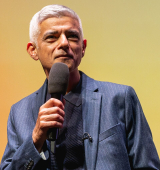
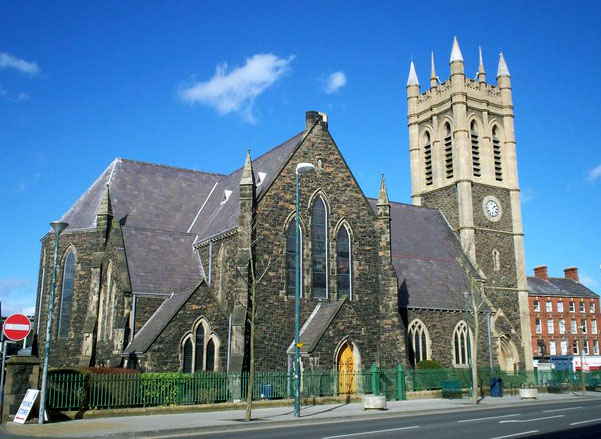
Although the Good Friday Agreement transformed Northern Ireland’s political landscape, disputes over marching routes continue to carry a significance far beyond the events themselves. The latest Portadown controversy has once again placed those unresolved tensions under intense public and political scrutiny. Photo by P Flannagan, Wikimedia commons.