More than £52 million in new funding is being released to regional leaders across Scotland as the UK Government seeks to accelerate local economic growth, create jobs and give
communities greater control over investment decisions.
The first £52.1 million of the £140 million Local Growth Fund has been approved for five Scottish regions after the UK Government signed off their three-year investment strategies.
The programme is aimed at areas facing some of Scotland’s greatest economic challenges, with funding directed towards Regional Partnerships covering communities with the lowest levels of Gross Disposable Household Income (GDHI) per person.
Ministers say the approach is designed to move away from centrally determined spending priorities and give regional leaders greater freedom to decide where investment can deliver the greatest impact.
The funding can be used for projects ranging from physical infrastructure and new commercial space to skills programmes designed to help workers and businesses adapt to changing economic conditions.
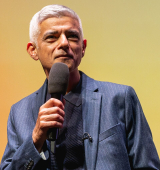
Scottish Secretary Douglas Alexander said the release of the money marked a shift towards giving local communities a stronger role in determining their economic future.
“The UK Government is committed to empowering local communities by spreading power throughout the country,” he said.
Alexander added that the funding would help regional leaders support skilled employment, encourage new businesses and contribute to the regeneration of town centres and high streets.
The five regions receiving funding are Glasgow City Region, Edinburgh and South East Scotland, Tay Cities, Ayrshire and Forth Valley.
The largest share goes to the Glasgow City Region, which has been allocated £60.9 million over three years. Of that amount, £22.68 million is being released in the first year.
Edinburgh and South East Scotland will receive £37.8 million over the full three-year period, including £14.10 million in the first year.
Tay Cities has been allocated £19.5 million, with £7.26 million released initially, while Ayrshire will receive £11.8 million in total, including £4.4 million in the first year.
Forth Valley has been awarded £9.8 million over three years, with £3.67 million being made available immediately.
The money is being transferred directly to the Regional Partnerships, which bring together local authorities, businesses, education and training providers, enterprise agencies and voluntary-sector organisations.
The government argues that this structure should allow investment decisions to be based more closely on local economic conditions and priorities.
The first-year funding was cleared for transfer to regional Accountable Bodies around 28 August, allowing projects and infrastructure procurement to begin.
Further allocations for 2027/28 and 2028/29 will depend on progress against each region’s investment programme. Regional authorities will be required to provide regular updates and take part in annual reviews with the UK Government.
The Local Growth Fund forms part of a wider UK Government programme of regional investment in Scotland. Ministers say more than £2.3 billion will be invested over the next decade in local and regional projects across the country, covering economic development and community renewal.
The government also says Scotland will receive up to £25 million more through the Local Growth Fund, Growth Mission Fund and Pride in Place programmes than it would have received through the previous Shared Prosperity Fund arrangements.
Taken together, those programmes could deliver as much as £250 million of investment in Scottish communities over the next three years.
The latest funding announcement is likely to strengthen the role of Scotland’s regional partnerships at a time when governments across the UK are placing greater emphasis on devolving economic decision-making.
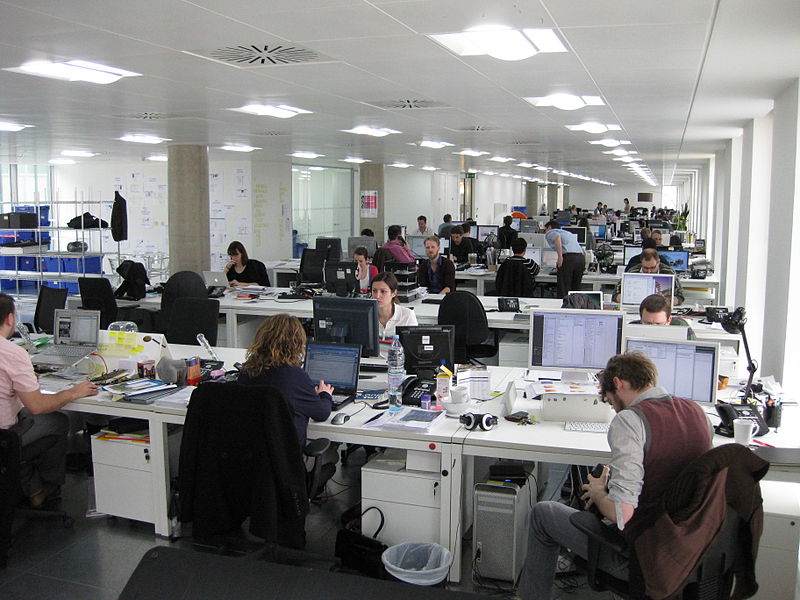
For ministers in London, the programme is intended not only to address regional inequalities but also to demonstrate that locally controlled investment can produce more targeted economic and community benefits than a centralised model. Photo by Phil Whitehouse, Wikimedia commons.