More than 70 historic buildings across England are set to benefit from a government-funded restoration programme worth over £41 million, aimed at protecting the country’s architectural
heritage and bringing neglected landmarks back into community use.
A total of 74 sites, including churches, synagogues, town halls, castles and historic public buildings, will receive financial support through the Places of Worship Renewal Fund and the Heritage at Risk Capital Fund. The investment is intended to prevent further deterioration, safeguard historically significant structures and ensure they remain accessible to local communities for generations to come.
The two programmes form part of the government’s broader £1.5 billion Arts Everywhere Fund. The latest funding package combines emergency repairs to buildings in poor condition with longer-term conservation projects designed to strengthen their role in community life.
Heritage Minister Baroness Twycross announced the successful projects following visits to Margate and Ramsgate in Kent. In Margate, funding is helping to restore the Grade II-listed Margate Museum and Old Town Hall, while in Ramsgate, financial support is enabling urgent repairs to the Church of St George.
Baroness Twycross said historic buildings were essential to understanding the country’s past and preserving the distinctive character of towns and cities. However, many have suffered from years of deterioration, including damaged roofs, water penetration and crumbling masonry.
She said the new investment would help protect much-loved local landmarks and allow them to continue serving their communities.
More than £18 million for places of worship
The newly established Places of Worship Renewal Fund will distribute more than £18 million among 51 religious buildings, including prominent cathedrals, local churches and synagogues. Priority has been given to sites requiring urgent intervention and communities where securing alternative funding can be particularly challenging.
Among the beneficiaries is the Church of St Elwyn in Hayle, Cornwall. Restoration work will address deteriorating masonry, repair damaged pointing and improve rainwater drainage to prevent recurring problems caused by moisture entering the building. Interior decoration and historic building materials will also be conserved using traditional techniques.
Birmingham Cathedral will receive support to stabilise and protect its distinctive tower and dome. The project aims to halt further deterioration and preserve the cathedral’s notable English Baroque architectural features.
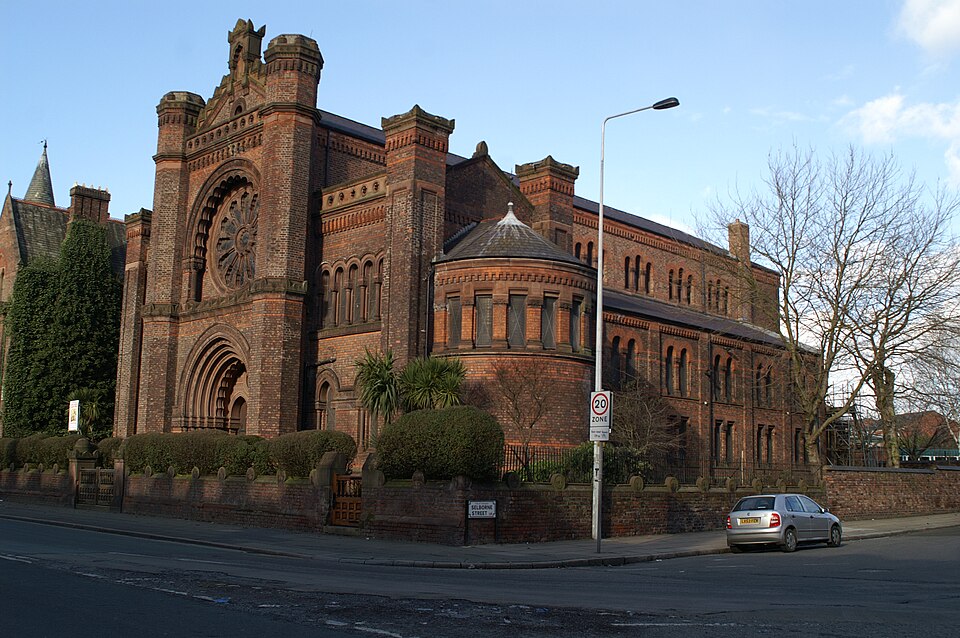
The fund will also contribute to the continuing restoration of the Sir Moses Montefiore Memorial Synagogue in Grimsby. The late nineteenth-century building is the only surviving synagogue in Lincolnshire and South Humberside. Funding will focus on restoring the structure of its ark, an important feature of the synagogue’s interior.
The programme is intended to protect religious heritage regardless of denomination while helping historic places of worship remain valuable centres for local communities.
Historic landmarks and public buildings to receive major repairs
The Heritage at Risk Capital Fund, now in its second year, will provide almost £13 million to 20 projects involving buildings considered particularly vulnerable to deterioration or loss. In addition to preserving historic structures, the scheme seeks to return unused properties to productive public and community use.
In Margate, investment will finance major structural repairs to the town’s historic museum and Old Town Hall. The work will help protect the museum’s collections, improve facilities for visitors and enable the currently vacant town hall to be adapted into a flexible community space.
Blackpool will also benefit from the programme, with funding allocated to the former Post Office on Abingdon Street. The grant will support the first stage of a wider redevelopment plan, securing the building’s structure and preparing it for conversion into a community-led cultural and creative hub in the town centre.
The project is expected to create opportunities for cultural activities and public engagement while giving a historic building a new purpose.
Dover Castle, Brodsworth Hall and Osborne among national beneficiaries
Three major heritage properties managed by English Heritage will receive an additional £10 million over the remainder of the current parliamentary term.
At Dover Castle, restoration work will focus on its historic defensive fortifications, helping to preserve the structures that form part of the site’s longstanding military history.
Brodsworth Hall in Doncaster will undergo roof repairs to protect the building’s historic fabric and prevent further damage from the elements.
Osborne, Queen Victoria’s former family residence on the Isle of Wight, will also receive substantial roof repairs. The work is intended to protect the historic property and preserve its architectural character for future visitors.
These projects highlight the programme’s wider ambition to protect both nationally significant monuments and lesser-known buildings that remain central to the identity of local communities.
Investment targeted at communities most in need
Both funding schemes prioritise areas where historic buildings face the greatest risks and where fundraising for conservation work is especially difficult. Government support is intended to make a substantial difference in places that might otherwise struggle to secure the resources required for major repairs.
Historic England is responsible for delivering the programmes, working to ensure that the funding supports sustainable conservation and helps buildings remain useful and accessible.
Beyond the immediate restoration work, the investment is expected to strengthen local cultural life, encourage community participation and protect buildings that contribute to the character and history of towns and cities throughout England.
By combining urgent structural repairs with plans to reopen neglected properties, the government aims to ensure that historic religious buildings, civic landmarks and heritage sites continue to play an active role in community life rather than falling further into disrepair. Photo by David Long, Wikimedia commons.