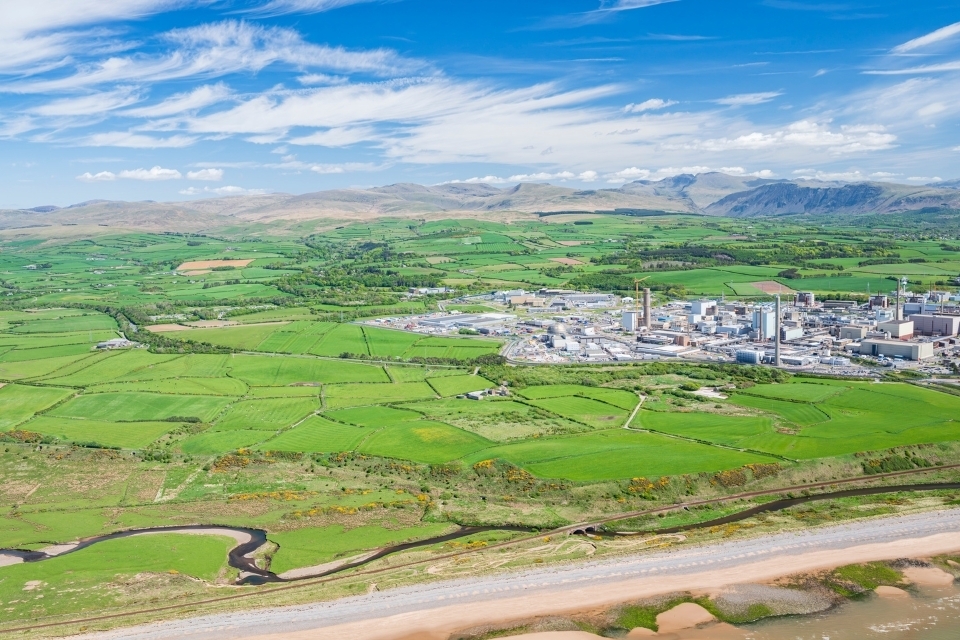
The world’s first nuclear power station to supply electricity to the public is marking its 70th anniversary as engineers dismantle ageing structures and prepare the Sellafield site for future
nuclear and clean energy projects.
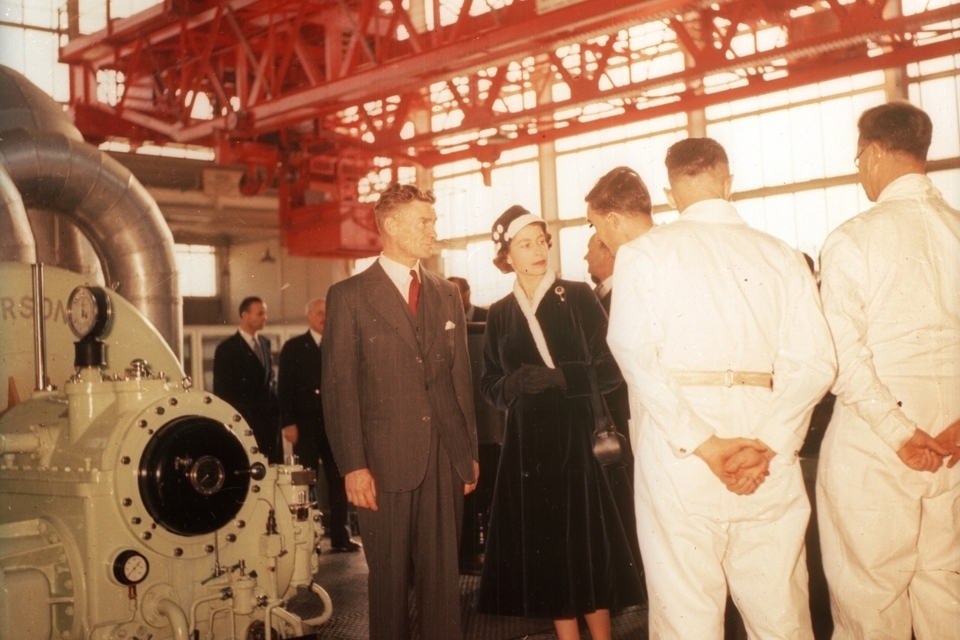
Calder Hall, the historic nuclear facility in Cumbria that helped establish Britain as a pioneer of civil nuclear power, celebrates seven decades since its official opening by Queen Elizabeth II on 16 October 1956.
The station represented a major milestone in the development of nuclear energy, demonstrating that atomic power could be used to generate electricity for everyday consumption. Its opening helped launch a new chapter in Britain’s energy history and placed West Cumbria at the centre of the country’s nuclear industry.
Although Calder Hall ceased generating electricity in 2003, its importance extends beyond its operational years. The site has supported generations of skilled workers, contributed to regional economic development and helped build technical expertise that remains essential to Britain’s nuclear sector.
Today, the focus has shifted from electricity production to the safe dismantling of the former power station and the removal of remaining hazards.
Michael Shanks, the UK energy minister at the Department for Energy Security and Net Zero, said nuclear power had helped provide electricity to millions of people since the station’s opening. He highlighted the government’s commitment to developing the next generation of nuclear facilities, including Sizewell C and Hinkley Point C.
These projects are intended to strengthen Britain’s domestic energy supply, deliver low-carbon electricity and create thousands of skilled employment opportunities.
Euan Hutton, chief executive of Sellafield Ltd, said Calder Hall had transformed the nuclear industry when it began operating in 1956. Seven decades later, he explained, the organisation’s priority was to dismantle the facility safely, reduce risks and prepare the site for its future responsibilities.
He stressed that freeing up land was particularly important because space across the Sellafield complex is limited. The removal of redundant infrastructure will allow new facilities to be developed to support the site’s long-term clean-up programme.
David Peattie, chief executive of the Nuclear Decommissioning Authority (NDA), said Calder Hall had helped establish Britain’s position in nuclear technology. He added that the ongoing decommissioning programme continued to support British companies, sustain employment and preserve specialist capabilities needed by the nuclear industry.
From nuclear operations to safe dismantling
Considerable progress has been made since Calder Hall stopped generating electricity. The reactors have been defuelled, major hazards have been removed, and obsolete equipment and structures have been dismantled.
With the most significant nuclear hazards progressively eliminated, parts of the remaining programme increasingly involve conventional demolition methods. Specialist teams are applying established engineering techniques to bring down structures while maintaining strict safety controls.
The work has already included the demolition of the station’s cooling towers in 2007. More recently, contractors have advanced the dismantling of turbine hall structures, continuing the transformation of the former power station.
The removal of these buildings will release land for potential reuse and create additional capacity for infrastructure supporting Sellafield’s future operations.
New clean energy ambitions for West Cumbria
The redevelopment of the area is also opening up opportunities beyond nuclear decommissioning. Plans are emerging for Pioneer Park, a proposed clean energy development on NDA-owned land immediately outside the Sellafield site boundary.
The initiative aims to build on West Cumbria’s long-established nuclear expertise while attracting investment in new technologies and clean energy industries. Its ambitions include generating employment, encouraging innovation and creating lasting economic benefits for surrounding communities.
The development reflects a broader transition for the region: from pioneering nuclear electricity generation in the 1950s to supporting the next generation of energy technologies.
As Calder Hall reaches its 70th anniversary, its legacy is therefore being carried forward in two ways. Its contribution to the history of British nuclear power remains significant, while the work to dismantle the facility is helping prepare the site and the wider region for future industrial and clean energy development. Photo by gov.uk