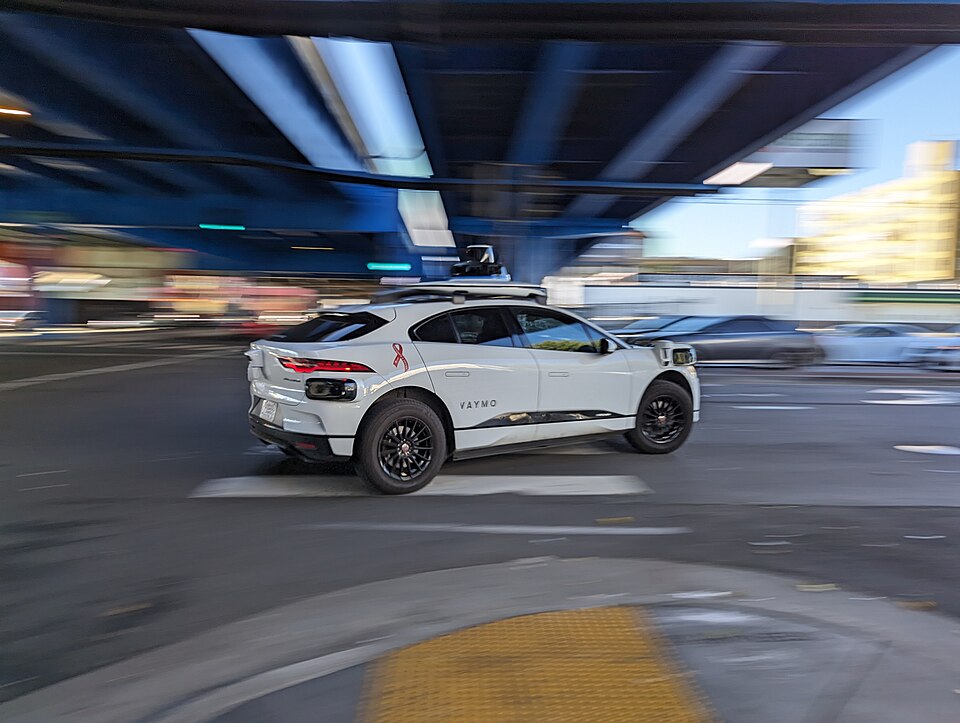
London has entered a new phase of its transport revolution, with Uber and British artificial intelligence company Wayve launching a limited robotaxi service on the capital’s streets.
The trial, which began on Thursday, marks the first time passengers in London can be offered rides in vehicles powered by Wayve’s autonomous driving technology through the Uber platform.
The move also makes London the second European city where Uber is offering robotaxi journeys, following the company’s launch of autonomous services in Zagreb.
At the initial stage, the vehicles will not operate without human supervision. A specially licensed operator will sit inside each car to monitor the system and take control if necessary. The companies said the longer-term ambition is to introduce fully driverless journeys, subject to regulatory approval.
Passengers booking an UberX, Uber Comfort or Uber Electric ride may be matched with a Wayve-equipped Ford Mustang Mach-E. There will be no additional charge for the autonomous technology.
The initial fleet will be small, with fewer than 20 vehicles operating as the service gets under way.
The launch comes as regulators and technology companies continue to work through the legal and practical challenges surrounding autonomous vehicles in Britain. Full driverless operation in London will require further authorisation, with regulatory processes involving Transport for London still presenting a barrier to wider deployment.
Uber’s global head of autonomous mobility, Sarfraz Maredia, said the London launch would help the company demonstrate the technology in a demanding real-world environment.
He said the service would help “build credibility with consumers as well as with the government”, as the companies seek to move towards larger-scale autonomous operations.
Transport Secretary Heidi Alexander described the development as an important step for the future of British transport.
“This is a major milestone for the future of transport in London, as British innovation brings this technology onto our roads and gives passengers more choice,” she said.
Wayve says its autonomous driving system differs from conventional approaches by relying on an AI driver designed to learn from experience in a way that more closely resembles human driving.
According to the company, the technology can adapt to unfamiliar roads and changing conditions, including different vehicles, weather and urban environments. That capability will be particularly important in London, where traffic patterns, road layouts and driving conditions can change dramatically from one part of the city to another.
Wayve co-founder and chief executive Alex Kendall said London was a natural place to introduce the company's technology to the public.
“We're proud to introduce the Wayve AI Driver to the public for the first time right here in London, our home city and one of the most complex driving environments in the world,” he said.
Uber and Wayve began working together in 2024, when the ride-hailing company also invested in the British AI firm. Their partnership is intended to support the deployment of Wayve-powered autonomous vehicles across multiple international markets.
For London, the launch represents a cautious first step rather than an immediate transformation of the city's taxi network. With the fleet initially limited and human operators still required, widespread driverless travel remains some way off.
But the appearance of AI-controlled vehicles carrying Uber passengers on London's roads signals that autonomous transport is moving from testing grounds towards everyday public use. Photo by Mliu92, Wikimedia commons.