London’s police force is expanding its use of high-powered electric bikes in an effort to disrupt one of the capital’s most persistent street crimes: mobile phone theft.
The Metropolitan Police has introduced 20 additional e-bikes as part of a wider operation targeting so-called snatch offences. The bikes can reach speeds of around 50 mph (80 km/h), allowing officers to pursue suspects through congested streets and, in some circumstances, continue the chase where conventional vehicles cannot — including along paths, pedestrian areas and stairways.
The Met has described the technology as a major boost to frontline policing. During patrols this week, officers also pointed to the growing use of drones as another tool helping them locate and track suspects.
The new approach appears to be having an impact on phone theft. Met figures show that reported mobile phone thefts fell from roughly 68,000 to about 54,000 in the 12 months to May.
However, securing arrests or other formal criminal justice outcomes remains difficult. Less than 1% of reported offences resulted in what the Met classifies as a “positive outcome”, such as a charge, caution or another form of criminal disposal.
Police officers acknowledge that criminals are also adapting. One officer said repeat offenders had become familiar with police patrol patterns and were changing their behaviour in response to shifts in policing tactics.
Kaya Comer-Schwartz, London’s deputy mayor for policing and crime, said reducing phone theft required more than simply increasing police patrols.
She argued that enforcement needed to be accompanied by improvements across the criminal justice system and stronger support for people whose phones and other belongings are stolen.
Crime remains a political flashpoint
The Met’s latest measures come amid an intense political debate over crime in London. The capital has repeatedly been portrayed by some conservative politicians and prominent figures overseas as increasingly unsafe.
US President Donald Trump and Elon Musk, the owner of X, have both previously made high-profile claims about crime in Britain. Trump has even described parts of London as effectively beyond the reach of police, a characterisation rejected by British authorities.
The wider picture is more mixed. Although some categories of crime have risen over the longer term amid pressure on police resources, the latest official figures indicate that neighbourhood offences — including theft, robbery and burglary — declined in London in the year to June.
Mayor Sadiq Khan has also pushed back against what he describes as attempts to damage London’s international reputation by exaggerating the scale of crime in the city.
Louise Puddefoot, the Met’s deputy assistant commissioner for frontline policing, said the force was focused less on the political arguments surrounding London’s crime statistics and more on demonstrating through policing and data that it was tackling offences.
“Our job is to show people that we're tackling criminality,” she said, while emphasising the importance of providing reliable figures and reassurance to London communities.
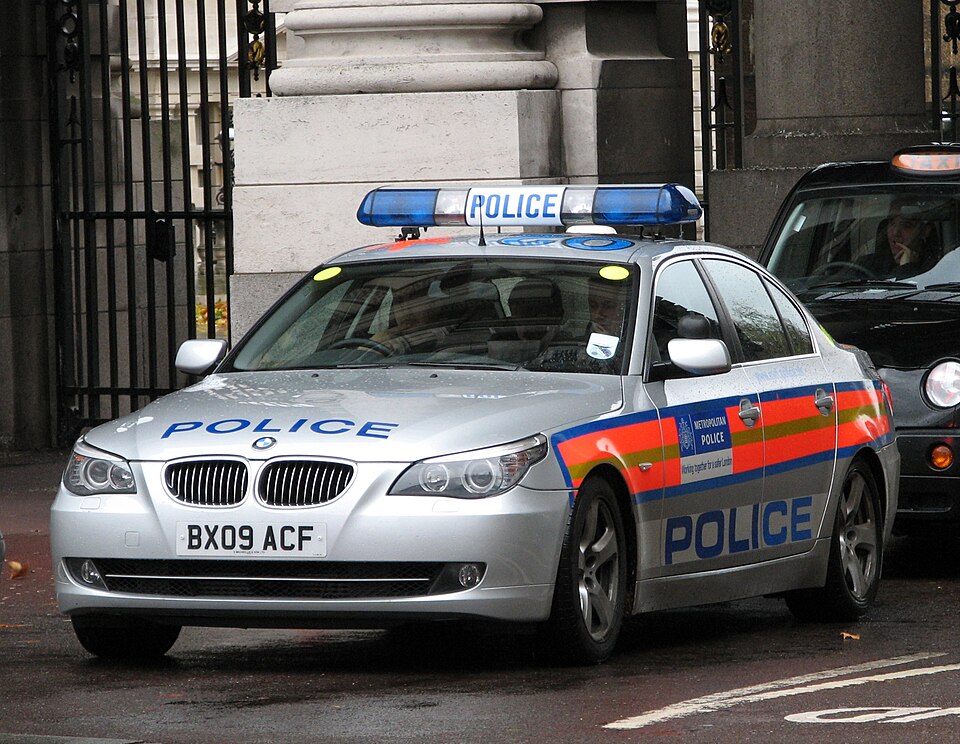
For the Met, the rapid expansion of e-bike patrols represents a practical response to a particularly visible form of urban crime. But the relatively low rate of cases resulting in formal criminal justice action highlights the continuing challenge: catching offenders is only one part of reducing phone theft, with successful prosecutions and prevention remaining equally important. Photo by Mic from Reading - Berkshire, United Kingdom, Wikimedia commons.