
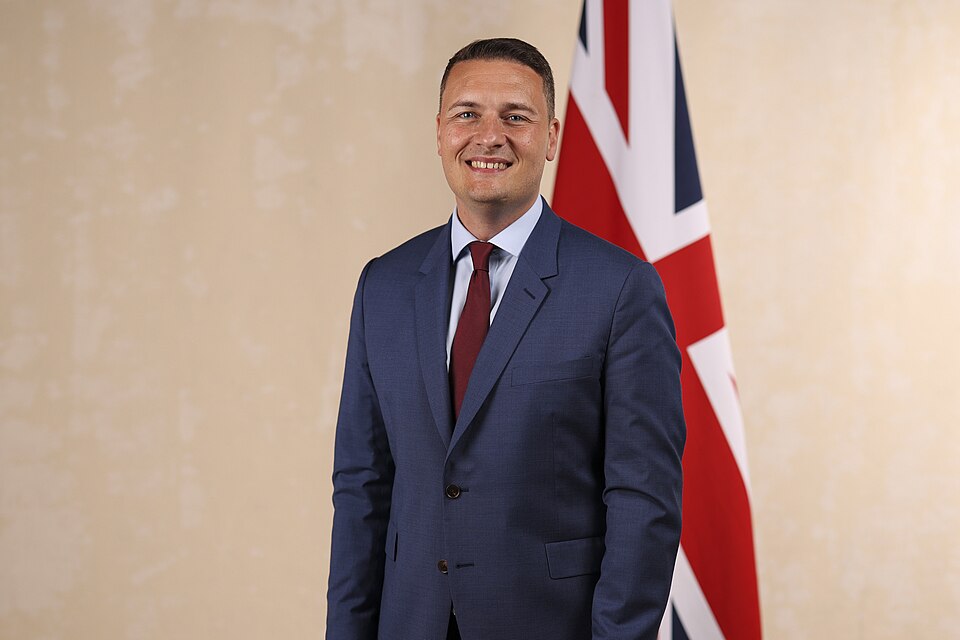
UK Defence Secretary Wes Streeting has used his first official visit to Scotland in the role to underline the country’s growing importance to Britain’s national security, while highlighting
billions of pounds of investment in military infrastructure, shipbuilding and service accommodation.
Streeting visited Rosyth, Edinburgh and other defence sites to see how government spending is supporting the Armed Forces while creating skilled employment and strengthening regional economies.
At Babcock’s Rosyth facility, the Defence Secretary toured the shipyard where the Royal Navy’s new Type 31 frigates are being built. He met engineers, apprentices and other workers involved in one of Britain’s largest current naval construction programmes.
The Type 31 programme supports around 2,500 skilled jobs across Scotland and the wider UK supply chain. It has also created about 400 apprenticeships through partnerships with colleges in Fife and elsewhere in Scotland, linking defence spending with the government’s wider push to rebuild Britain’s industrial base.
“From the skilled workers and apprentices building the next generation of Royal Navy warships at Rosyth, to the service families who support our Armed Forces every day, Scotland sits at the heart of our national security,” Streeting said.
He said the combination of Scotland’s industrial heritage and modern defence technology offered significant opportunities for employment and reindustrialisation.
“Alongside this, we are committed to delivering better homes for the personnel and families who serve our country,” he added.
Housing was a further focus of the visit. Streeting met military personnel and their families in Edinburgh and visited properties that have undergone refurbishment, including roofing works at Redford Gardens and homes receiving comprehensive upgrades at Adams Well Estate.
The government has committed £9 billion over the next decade to what it describes as a generational renewal of Armed Forces accommodation. The programme is expected to upgrade, modernise or rebuild 40,000 military homes — roughly nine in ten properties across the defence estate.
A new Defence Housing Service has also been created with the aim of putting military families at the centre of housing policy, introducing modern property standards and speeding up the delivery of accommodation on surplus defence land.
Scotland’s strategic importance extends well beyond shipbuilding and infrastructure. Almost 10,000 Armed Forces personnel are stationed in the country, which hosts several of Britain’s most important military facilities.
RAF Lossiemouth provides a key role in monitoring and responding to potential threats in the North Atlantic, with Typhoon fighter aircraft able to scramble when required. HM Naval Base Clyde, meanwhile, is home to the Royal Navy’s submarine fleet and remains central to Britain’s strategic deterrence.
The government is positioning defence investment as both a security priority and an economic policy, arguing that major military programmes can generate highly skilled employment while strengthening industrial capacity.
Under its Defence Investment Plan, ministers have allocated £26 billion for the modernisation of critical naval infrastructure. Of that total, £15.1 billion is earmarked for the regeneration of HMNB Clyde, including upgraded waterfront facilities, improved maintenance capacity, new training infrastructure and additional accommodation.
The government says the investment will help ensure Britain’s armed forces are equipped for a more dangerous security environment while improving conditions for the personnel and families expected to serve in it.
For Scotland, the strategy places defence increasingly at the intersection of national security, shipbuilding, infrastructure and regional economic growth — with Rosyth and the Clyde at the centre of that effort.
Harry Holt, CEO of Babcock International Group, said: “A capable and adaptable Royal Navy fleet is essential to the security of the UK, NATO and our allies around the world, and we were delighted to welcome the Defence Secretary here to Rosyth to see first-hand the excellent progress being made on the Type 31 frigate programme.
The defence industry makes a vital contribution to Scotland’s economy, sustaining thousands of skilled jobs and apprenticeships. Our workforce and operations at Rosyth are a clear demonstration of this, delivering sovereign capability, supporting economic growth, and contributing to UK reindustrialisation.
We look forward to working with the Defence Secretary and the Ministry of Defence as they implement the Defence Investment Plan, further strengthening our sovereign and export capabilities and the defence of our nation”. Photo by Lauren Hurley / No 10 Downing Street, Wikimedia commons.