Former Nigerian Minister of Petroleum Resources Diezani Alison-Madueke has been cleared of all corruption charges by a London jury, bringing an end to one of the United Kingdom’s most
closely watched international bribery prosecutions.
The former oil minister was found not guilty on Wednesday of six charges, including five counts of accepting bribes and one count of conspiracy to commit bribery. The verdict concludes an investigation by British authorities that began more than a decade ago and focused on allegations that Alison-Madueke received luxury benefits from oil and gas executives seeking contracts in Nigeria.
Alison-Madueke, 65, served as Nigeria’s petroleum minister from 2010 to 2015 under former President Goodluck Jonathan and became the first woman to hold the position. Prosecutors alleged she enjoyed a lavish lifestyle in London funded by industry figures hoping to secure lucrative business opportunities in Africa’s largest oil producer.
Throughout the trial, Alison-Madueke denied any wrongdoing, maintaining that she neither accepted bribes nor wielded direct influence over the awarding of oil contracts. Her defence team argued that the expenditures cited by prosecutors were either reimbursed, covered by the Nigerian government for official duties, or paid personally by the former minister.
After more than 46 hours of deliberations, jurors at Southwark Crown Court returned unanimous not-guilty verdicts on all charges.
In a statement issued following the decision, Alison-Madueke described the case as an 11-year ordeal that had placed immense strain on her and her family.
“For 11 long, gruelling years this case has hung over my head and has tormented me and my family,” she said. “Today, the past decade of relentless and unjust vilification, condemnation and scrutiny has finally come to an end.”
The outcome represents a significant setback for British investigators and prosecutors who pursued the case for years. Anti-corruption campaigners said the verdict highlighted the challenges authorities face when attempting to prosecute alleged corruption involving senior political figures.
Alison-Madueke has long been a controversial figure in Nigeria, where she faced multiple allegations of corruption during and after her tenure at the Ministry of Petroleum Resources and the Nigerian National Petroleum Corporation (NNPC). She also came under scrutiny from U.S. authorities, who previously alleged that proceeds from improperly awarded contracts were laundered through the United States.
However, British prosecutors did not accuse Alison-Madueke of awarding contracts unlawfully. Instead, their case focused on whether it was improper for a public official to accept benefits from individuals with business interests linked to her ministry.
The trial also resulted in acquittals for co-defendants Olatimbo Ayinde, an oil industry executive, and Alison-Madueke’s brother, Doye Agama. Ayinde was cleared of two bribery-related charges, while Agama was found not guilty of conspiracy to commit bribery connected to payments made to his church.
The proceedings had nearly collapsed before reaching a verdict. The defence challenged the prosecution on several fronts, including claims that relevant investigative leads had not been fully pursued. Additional delays arose after allegations concerning reports made to Nigerian authorities about separate bribery requests surfaced during the trial.
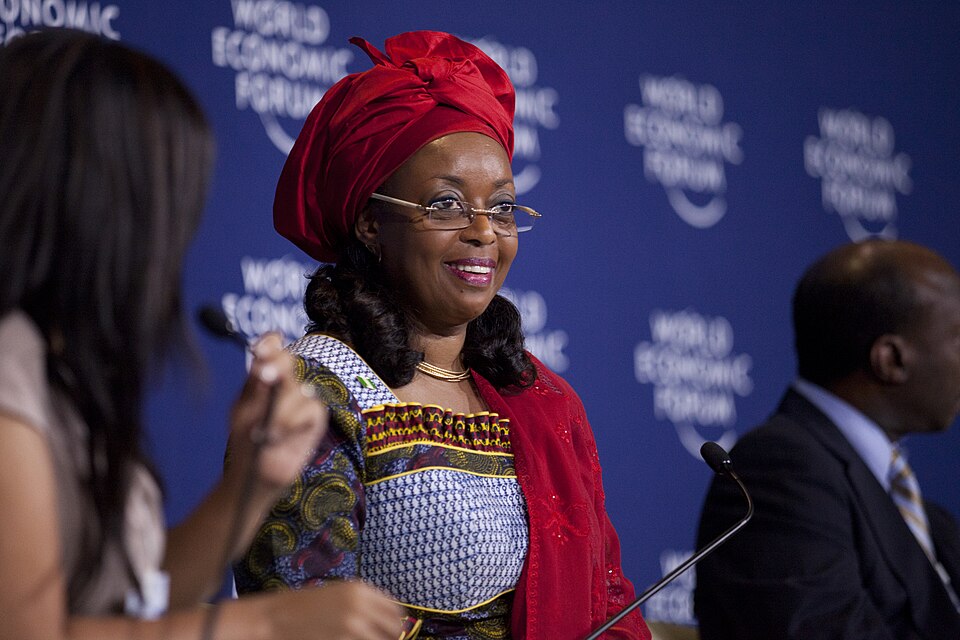
Despite the lengthy proceedings and years of international scrutiny, the jury’s verdict brings the UK’s high-profile case against Alison-Madueke to a close. Photo by World Economic Forum, Wikimedia commons.