
The British government has rejected a £10 billion rescue proposal for Thames Water, significantly increasing the likelihood that the UK's largest water supplier could fall under temporary
public ownership.
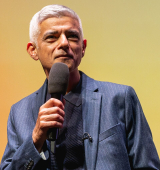
Environment minister Emma Reynolds said on Tuesday that the government was prepared for “any outcome,” signaling growing doubts over the creditor-led rescue package designed to stabilize the heavily indebted utility.
The government's assessment remains preliminary, but its stance could influence the final decision by water regulator Ofwat, which is expected to rule on the proposal later this summer. Thames Water is forecast to run out of money before the end of the year without a restructuring agreement.
The rescue package is currently the only proposal under consideration for the utility, which has battled financial turmoil since 2023. Thames Water faces around £20 billion in debt, mounting penalties for sewage pollution, and an aging infrastructure network dating back to the Victorian era.
Public anger over pollution
Reynolds said she was “not convinced the current proposal was good enough for consumers or the environment,” reflecting growing public frustration over sewage discharges into rivers and rising household water bills.
“We stand ready for any outcome,” she said.
The government had previously favored a market-led solution to avoid placing Thames Water into its Special Administration Regime (SAR) — a form of temporary nationalisation intended to maintain essential services.
However, creditors backing the rescue plan disputed the government's characterization of their proposal. The senior lender group, which includes investment firms Invesco, Elliott Management, and Silver Point Capital, argued that their plan would not increase customer bills beyond levels already approved by Ofwat.
“Our proposals do not anticipate any increase in customer bills beyond those set out by Ofwat,” a spokesperson said, adding that the restructuring offered the quickest route to environmental improvements. The group also warned that placing Thames Water into SAR could require billions of pounds in taxpayer support.
Nationalisation risks loom
Should Thames Water enter special administration, the company would continue supplying water to its 16 million customers. However, such a move carries substantial risks for the government.
The utility's debts could be transferred onto the public balance sheet at a time when Britain's finances are already under pressure. Analysts have also warned that significant debt write-downs could damage investor confidence in the UK.
Once regarded as a flagship of Britain's privatised water sector, Thames Water has increasingly become a symbol of its failures. Critics blame previous owners for loading the company with debt while paying large dividends, even as pollution incidents increased and infrastructure deteriorated.
The government has already described the water industry as “broken” and is pursuing reforms that would eventually replace Ofwat with a new regulator.
Ofwat faces delicate decision
Ofwat now faces a difficult balancing act. While the regulator has imposed heavy penalties on Thames Water — including a record £123 million fine last year for pollution violations — it must also consider warnings that excessive penalties could deter much-needed investment.
Last year, U.S. private equity giant KKR abandoned plans to acquire Thames Water, highlighting investor concerns over the company's future.
Under the creditor proposal, Thames Water would receive £3.35 billion in new capital and gain access to a £6.55 billion debt facility. In return, lenders would write off approximately £9.4 billion of existing debt.
If Ofwat approves the plan, it would then require approval from the High Court. Any changes to the company's licence conditions would also be subject to public consultation.
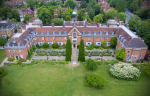
Ofwat declined to comment on the government's position. Thames Water reiterated that a market-based solution remains the best path to restoring the company's long-term stability. Photo by Jim Linwood, Wikimedia commons.