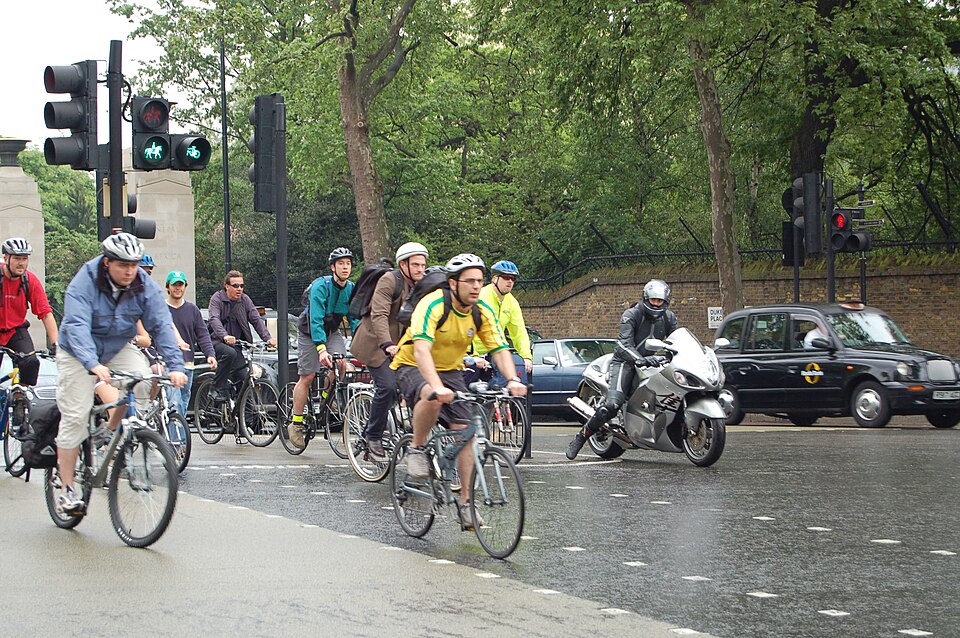
The government has announced a £4.5 billion investment programme aimed at transforming walking, wheeling and cycling infrastructure across England, with plans to deliver 5,000 new
active travel routes and 10,000 safer road crossings over the next five years.
The funding forms part of a new Cycling and Walking Investment Strategy published by the Department for Transport on 12 June, which sets a target for 55% of short journeys in towns and cities to be made by walking, wheeling or cycling by 2035. The strategy also aims for 60% of children aged between five and 16 to travel actively to school by the same date.
Under the plan, the government will work with Active Travel England and local authorities to create new routes linking residential areas with schools, town centres and key local services. The programme also seeks to improve connections to public transport hubs, including railway stations, to encourage multimodal journeys.
Transport Secretary, Heidi Alexander, said:
“Too many people would like to walk, wheel or cycle more often but don’t feel they have safe and convenient options to do so.
Our new cycling and walking investment strategy sets out how we will change that, with ambitious targets, record levels of investment and a clear plan to make active travel a practical choice for millions more journeys.
This is about creating healthier communities, helping households keep more money in their pockets and building a transport network that works better for everyone”.
The government says the investment could generate significant health and economic benefits. According to projections published alongside the strategy, increased physical activity could free up around 1.7 million GP appointments annually and reduce sickness-related absences by 4.4 million days each year.
Ministers also estimate that households replacing a second car with active travel for shorter journeys could save approximately £1,700 annually, equivalent to more than £17,000 over a decade.
Secretary of State for Health, James Murray, said:
“The benefits of walking and cycling for our physical health, mental wellbeing and our communities are clear, and even small increases in physical activity can make a big difference. This investment will help more people build exercise into their everyday lives, improving public health and supporting our ambition to reduce pressure on the NHS.
The cycling and walking investment strategy demonstrates how we’re working across government to deliver for our communities and reduce health inequalities, while helping fulfil our commitments as set out in the 10 Year Health Plan».
The strategy has been published alongside Active Travel England’s new “Worth Every Step” delivery plan, which focuses on increasing active travel for school journeys and improving pedestrian safety through measures such as additional zebra crossings.
National Active Travel Commissioner Chris Boardman said the programme would help make walking and cycling safer and more attractive options for everyday journeys.
The initiative forms part of the government’s wider Pride in Place programme, which aims to give local communities greater influence over neighbourhood improvements. Ministers say the strategy reflects a more coordinated approach across transport, health and local government departments, while giving local authorities greater responsibility for delivery.
The government argues that expanding active travel infrastructure will not only improve public health but also reduce congestion, cut carbon emissions and support economic activity in local communities. Photo by Gerry Lynch, Wikimedia commons.