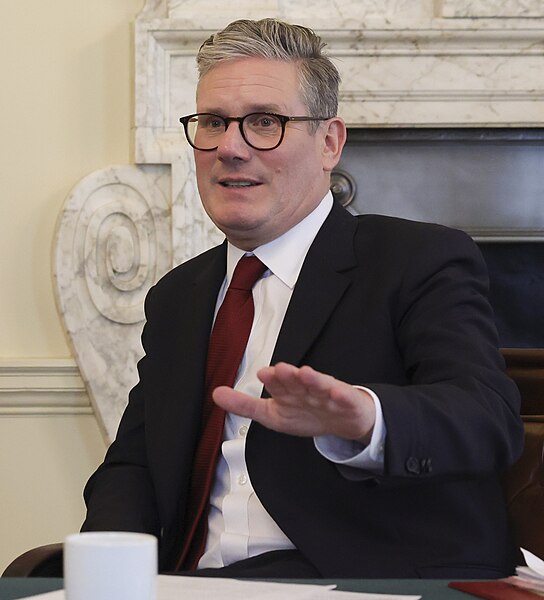
Prime Minister Keir Starmer has pledged to maintain his course and deliver on his promise of "change," even as the Labour Party faces a bruising set of local election results. Just two years
after a landslide national victory, the Prime Minister is confronting a significant voter backlash that has seen the party’s grip slip in its traditional industrial heartlands across northern and central England.
The primary beneficiary of this discontent is Nigel Farage’s Reform UK. The populist party has secured over 350 council seats in England, positioning itself as a formidable force that could soon become the official opposition in both Scotland and Wales.
The end of two-party dominance
Political analysts are calling these results a historic "fracturing" of the UK’s traditional two-party system. British politics is rapidly evolving into a multi-party landscape, with Labour and the Conservatives bleeding support to Reform UK, the Green Party, and nationalist movements like the SNP and Plaid Cymru.
Despite his plummeting approval ratings—some of the lowest recorded for a British leader—Starmer remains resolute. Speaking from Ealing, one of the few areas where Labour successfully held its ground, the Prime Minister dismissed calls to resign.
"I am not going to walk away," Starmer insisted. "Voters are concerned about the pace of change, not the leadership itself."
A "historic shift" in local power
The scale of Labour's defeat is stark. For the first time in nearly half a century, the party lost control of Tameside in Greater Manchester. In Wigan, a bastion of Labour support for over 50 years, the party lost every single seat it was defending to Reform UK. Perhaps most surprisingly, Reform also gained its first foothold in London, taking control of the Havering council.
Early results tracker:
Reform UK: +367 seats
Labour: -254 seats
Conservatives: -146 seats
Pressure mounts on the PM
While allies like Defence Minister John Healey argue that a leadership contest would bring "potential chaos," the pressure on Starmer is intensifying. Renowned pollster John Curtice described the situation as "as bad as anyone expected for Labour, or worse."
If the bleeding continues as results from Scotland and Wales finalize, Starmer may find himself forced to set a concrete timetable for his departure. Having entered office in 2024 promising stability, his tenure has instead been characterized by policy reversals and internal scandals, leaving voters disillusioned and looking toward insurgent alternatives.