The UK government has unveiled a major £100 million-plus investment aimed at transforming how people move around England, with a strong focus on cycling, walking and accessible travel.
The funding, confirmed on 30 March 2026 by Active Travel England, is designed to equip millions with the skills, confidence and opportunity to choose healthier, more sustainable ways of getting around.
At the heart of the announcement is a long-term commitment to practical training and grassroots initiatives that reach people in schools, communities and workplaces.
Major investment in cycling skills
The largest share—£78 million—will go to the government’s flagship Bikeability scheme. Since its launch in 2007, Bikeability has trained over 5 million children, making it one of the most significant cycling education programmes in the world. The scheme teaches road safety, bike handling and confidence, often becoming a child’s first step toward independent travel.
Local authorities across England will deliver the programme with support from the Bikeability Trust, ensuring consistent standards nationwide.
Encouraging walking from an early age
Walking is also a key pillar of the plan. The charity Living Streets will receive £16.1 million to expand its Walk to School Outreach programme. The initiative works directly with primary schools, helping families swap car journeys for walking—reducing congestion and improving children’s health.
Supporting adults back into cycling
Cycling isn’t just for children. The government is investing £8 million in Cycling UK to expand its Big Bike Revival programme. This initiative helps adults—especially women and disabled people—return to cycling through free repairs, skills sessions and confidence-building workshops.
Youth leadership and behaviour change
Another £3.1 million will go to Modeshift to run its STARS accreditation scheme and Active Travel Ambassadors programme. These projects empower secondary school students to promote cycling and walking among their peers, helping shift travel habits at a crucial age.
Expanding access in national parks and transport hubs
The funding package also includes £2 million for England’s National Park Authorities to develop more accessible walking and cycling networks. These improvements aim to make some of the country’s most iconic landscapes easier to explore without a car.
In addition, up to £1 million will support ports and airports in designing active travel routes, making it easier for employees and visitors to walk or cycle to major transport hubs.
Cycling in England: key facts and trends
-England has seen a steady rise in cycling participation, particularly after the COVID-19 pandemic, when active travel surged.
- According to government data, around 7% of adults in England cycle at least once a week, though this varies widely by region.
- Cities like London, Manchester and Cambridge have invested heavily in cycling infrastructure, with protected bike lanes becoming more common.
- School-based programmes like Bikeability are considered crucial in building long-term cycling habits.
- There is growing emphasis on inclusive cycling, with adapted bikes and community programmes helping disabled people access cycling.
- Cycling is a key part of the UK’s strategy to reach net-zero emissions, as transport remains one of the largest sources of carbon output.
Active Travel Commissioner Chris Boardman said:
“This is a practical investment that changes how people move every day. It’s a child gaining the confidence to ride to school, a family choosing to walk, or someone getting back on a bike because it finally feels possible. Those small shifts add up quickly – to healthier lives, lower costs, and less pressure on our roads and NHS.
We know that when people feel safe and supported, they make different choices – and that’s when you see whole communities start to move differently. This isn’t just about active travel in isolation. It strengthens public transport by improving the first and last mile, it gives families more affordable options, and it makes our streets safer for everyone. It’s one of the most effective investments we can make to improve everyday life and give people real choice in how they get around”.
Local Transport Minister Lilian Greenwood said:
“Our investment is about giving people of all ages the opportunity to choose healthier, more affordable and sustainable ways to travel.
Active travel plays an important role in strengthening pride in place, creating streets and neighbourhoods that people feel safer in, more connected to, and proud to call home.
The government is investing £626 million over the next 4 years, enabling local authorities to deliver vital walking and cycling schemes – enough for 500 miles of new walking and cycling routes and 170,000 more active trips per day. This funding will also help boost local businesses, grow local economies and ease pressure on the NHS”.
Chief Executive of the Bikeability Trust, Emily Cherry said:
“The Bikeability Trust welcomes the announcement of new funding from Active Travel England to invest in giving more people the skills and confidence to cycle, walk and wheel.
Bikeability is an essential skill, benefitting children’s health and happiness, and helping them make more sustainable travel choices for life.
We’re proud to be working with Active Travel England to help realise its active travel ambition”.
Chief Executive of Living Streets, Catherine Woodhead said:
“Supporting more children to walk or wheel to school is one of the easiest ways to improve our health, enhance road safety and reduce congestion for the whole community. And children love it!
This funding will allow us to work with even more schools to encourage their pupils to get active and to help them identify improvements to their local streets, so families feel able to choose the healthiest and happiest way to travel”.
Director of Behaviour Change at Cycling UK, James Scott, said:
“After 10 years of success with Cycling UK’s Big Bike Revival, it’s great to see the project continue for another 3 years with funding from ATE. During that time, we’ve supported more than 800,000 people to get back on their bikes, replaced nearly 10 million car trips, cut over 9,000 tonnes of CO2 and delivered more than £56 million in wider economic and social benefits.
This programme works because it reaches people who don’t usually cycle. Despite the gender divide in cycling, nearly half of our participants are women, with a quarter coming from ethnic minority communities. With continued funding and support, we intend to deliver more skills and confidence sessions, free repairs, and rides that make cycling feel like a real option for everyday travel. Not just for the committed few, but for everyone. Regular walking and cycling have been shown to cut sick days, reduce pressure on the NHS, lower carbon emissions, and save people money on travel costs”.
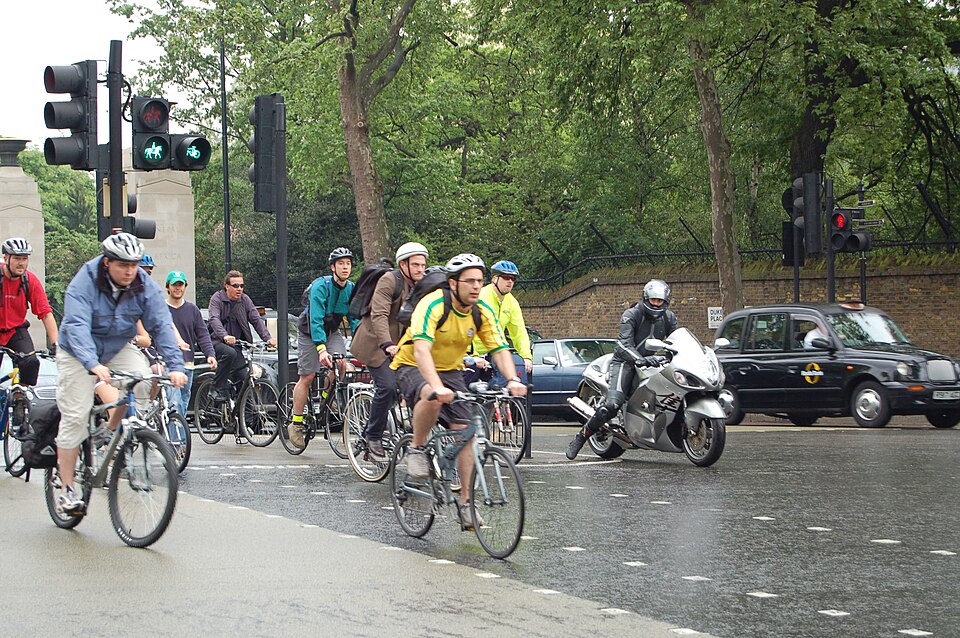
Photo by Gerry Lynch, Wikimedia commons.