Manchester is hosting one of the most significant international science gatherings of the year as more than 1,000 scientists, policymakers and experts from almost
150 countries convene for a UN-supported summit on biodiversity and nature loss.
The meeting brings together the Intergovernmental Science-Policy Platform on Biodiversity and Ecosystem Services (IPBES), often described as the “IPCC for biodiversity”, and is being hosted by the UK government. Over the coming days, delegates will focus on one of the defining challenges of the century: how to halt the accelerating loss of nature and ecosystems worldwide.
IPBES provides governments with independent scientific assessments on the state of global biodiversity, the benefits nature provides to people, and the practical tools needed to protect and restore ecosystems. Its work is widely regarded as central to shaping evidence-based environmental policy across the world.
Running until 8 February, this year’s summit places a strong spotlight on the relationship between business and biodiversity. Delegates are expected to approve a landmark Business and Biodiversity Assessment, designed to help companies better understand how their operations depend on and affect nature, and what steps they can take to reduce harm and support restoration.
Hosting the summit in Manchester is also expected to deliver a £3.1 million boost to the local economy, reinforcing the city’s growing reputation as a centre for nature-positive business, research and innovation.
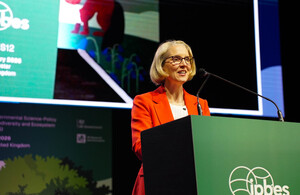
The conference opened with a plenary session addressed by Environment Secretary Emma Reynolds, who relayed a message from His Majesty The King. In his message, the King warned of an “unprecedented triple crisis” of biodiversity loss, climate change and pollution, while urging delegates to use their collective knowledge to help shift the global economy towards one that works in harmony with nature.
Speaking directly to delegates, Reynolds said there were encouraging signs of progress around the world, with countries restoring wetlands and forests, communities reviving degraded land, and businesses increasingly recognising the financial and environmental returns of investing in nature.
However, she cautioned that time is running out. “The window to halt biodiversity loss by 2030 is narrowing,” she said, stressing the need for urgent international cooperation. She described IPBES as more vital than ever at a time when global collaboration is under pressure, arguing that protecting nature is essential not just for the environment, but for economic security and long-term prosperity.
Reynolds reaffirmed the UK’s commitment to multilateral action, saying the approval of the Business and Biodiversity Assessment would demonstrate how shared science and cooperation can drive real-world change.
The role of business was a recurring theme throughout the opening day. Reynolds highlighted how nature-positive investment can strengthen supply chains and unlock innovation in areas such as biotechnology, sustainable agriculture and green finance.
Louise Heathwaite, Executive Chair of the Natural Environment Research Council at UK Research and Innovation, said the meeting marked a turning point for how businesses engage with nature. She noted that organisations which understand and manage their environmental impacts are better placed to reduce risk, build resilience and achieve sustainable growth, adding that UK researchers played a key role in developing the science behind the assessment.
Gemma Harper, Chief Executive of the Joint Nature Conservation Committee, described the summit as a critical moment for strengthening the link between science and policy. She said robust evidence would be essential to ensure decision-makers at the highest levels can take effective action to address biodiversity loss.
Harper added that the economic case for protecting nature has never been clearer, pointing out that all businesses rely on natural systems for essentials such as clean water, pollination, fertile soils and climate regulation. Companies that address their nature-related risks, she said, will be better positioned in the global transition to a nature-positive economy.
The UK government says it remains committed to taking a leading international role on climate change and biodiversity, supported by its network of special representatives for climate and nature. The UK Special Representative for Nature, Ruth Davis, and Nature Minister Mary Creagh are also attending the Manchester meeting to support IPBES’s work, encourage business investment in nature and promote greater transparency through nature-related financial disclosures.
As the summit continues, expectations are high that the discussions in Manchester will help shape global action on biodiversity for years to come.