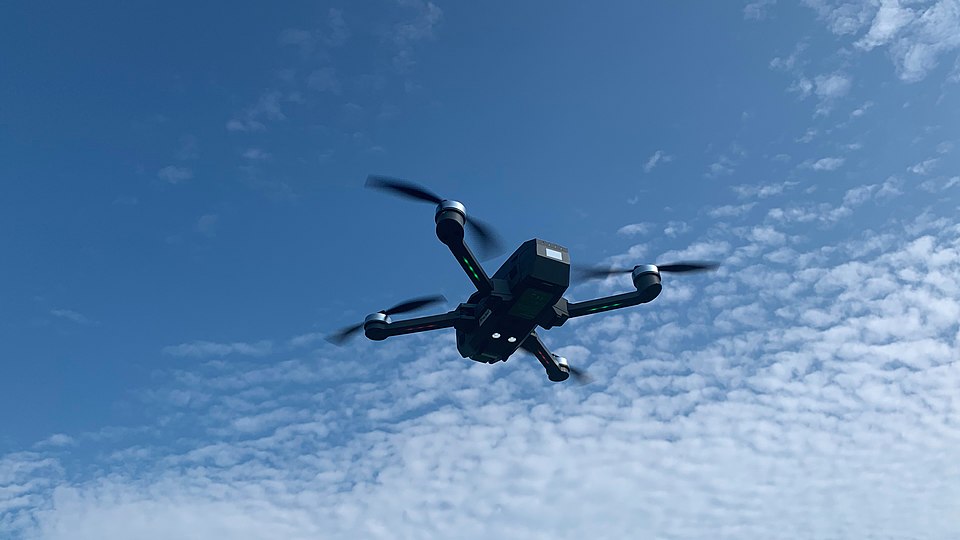
Drone activity near Britain’s military installations surged dramatically last year, underlining growing security concerns and the evolving nature of modern warfare.
According to government figures, 266 uncrewed aerial vehicle (UAV) incidents were reported near UK defence sites in 2025 — more than double the 126 incidents recorded in 2024. The rise forms part of a broader pattern across Europe, where drones have increasingly disrupted sensitive airspace.
In response, the government is granting new powers to military personnel, allowing them to destroy hostile drones operating near bases without first relying on police intervention. Until now, such action typically required coordination with civilian authorities.
The expanded authority will also cover land-based drones and unmanned underwater vehicles, reflecting concern over threats not just from the air, but across multiple domains.
Drone incidents have caused disruption beyond the UK. In late 2025, airports in Belgium and Denmark were temporarily shut down following drone incursions. Security experts said the operations bore signs of Russian involvement — an accusation Moscow has denied.
Healey said security at British military sites has already been strengthened. The issue gained further attention last June when pro-Palestinian activists breached a Royal Air Force base, vandalising two aircraft used for refuelling and transport by spraying them with red paint.
Officials say the new measures are designed to ensure armed forces can respond swiftly to emerging threats, as drone technology becomes cheaper, more accessible, and increasingly used in hostile operations. Photo by Project Kei, Wikimedia commons.