England’s farms are set for a major innovation push after £21.5 million was awarded to support 15 projects aimed at cutting emissions, improving resilience and lifting
productivity across the sector.
The funding, delivered through Defra’s Farming Innovation Programme in partnership with Innovate UK, will help turn cutting-edge research into practical, on-farm solutions — from vitamin-enriched tomatoes to climate-resilient hemp and low-emission fertilisers for dairy farms.
Ministers say the investment is designed to ensure farmers can access new technologies that are ready to use, rather than stuck in research labs.
Farming Minister Dame Angela Eagle said: “Innovation is central to a more productive, resilient farming sector.
This funding will back new ideas farmers can use on the ground to cut methane and fertiliser-related emissions, strengthen crop resilience, and improve nutrition.
It’s part of our Plan for Change to support rural growth and long-term food security”.
Tomatoes with added vitamin D
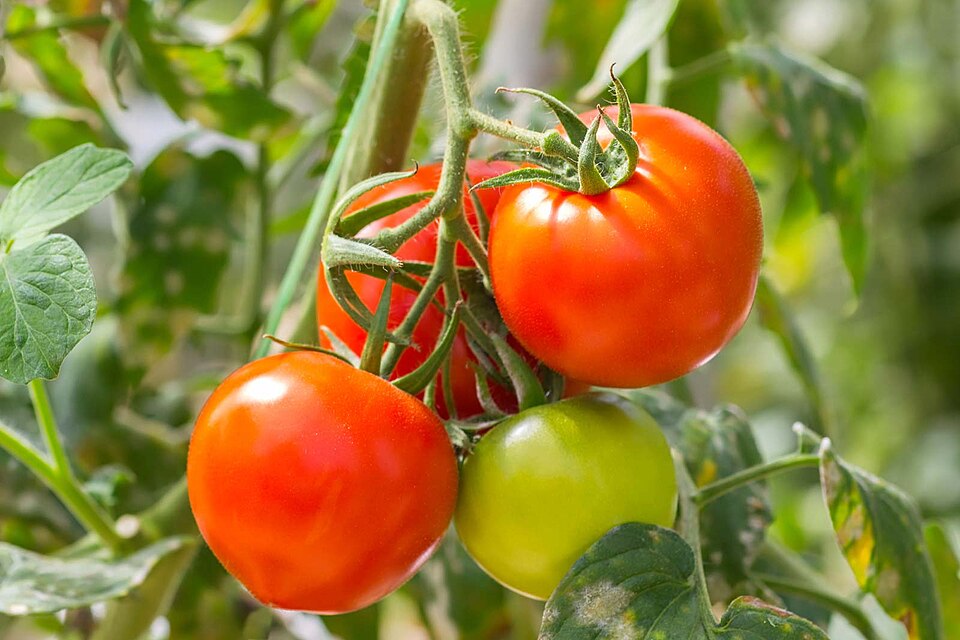
Among the successful projects is the so-called ‘Sunshine Tomato’, developed using precision breeding techniques to naturally increase provitamin D₃levels. Building on earlier field trials, the project aims to improve the nutritional value of everyday food while helping tackle widespread vitamin D deficiency.
Cutting emissions from fertiliser use
Another major project focuses on reducing emissions from dairy farming by replacing half of synthetic nitrogen fertilisers with biological alternatives. The approach is expected to significantly cut nitrous oxide (N₂O) emissions, improve soil health and deliver more efficient nutrient management.
Hemp for a changing climate
Funding has also been awarded to develop climate-resilient industrial hemp, with new high-value varieties bred to cope better with unpredictable weather. Because hemp can grow on poorer land, it could offer farmers new income streams from less productive fields while supporting sustainable food, fibre and biomaterial supply chains.
Dr Stella Peace, Managing Director at Innovate UK, said: “Working alongside Defra, Innovate UK is ensuring precision breeding and low emission technologies move swiftly from research into real‑world use, enabling farmers and agri businesses to grow, compete, and unlock new economic opportunities across the UK’s food and farming sector”.
Part of a wider £200m innovation drive
The £21.5 million investment forms part of the government’s wider commitment to spend at least £200 million on agricultural innovation by 2030, supporting rural growth and long-term food security under the Plan for Change.
It also builds on nearly £2.3 million awarded to 30 projects in December through the first round of the ADOPT Fund. Those trials are already testing new ideas on working farms, including lower-emission machinery and digital tools designed to support day-to-day farm management.
Together, ministers say, the programmes signal a clear shift toward practical innovation that delivers environmental gains while keeping English farming productive and competitive. Photo by Madmad1234, Wikimedia commons.