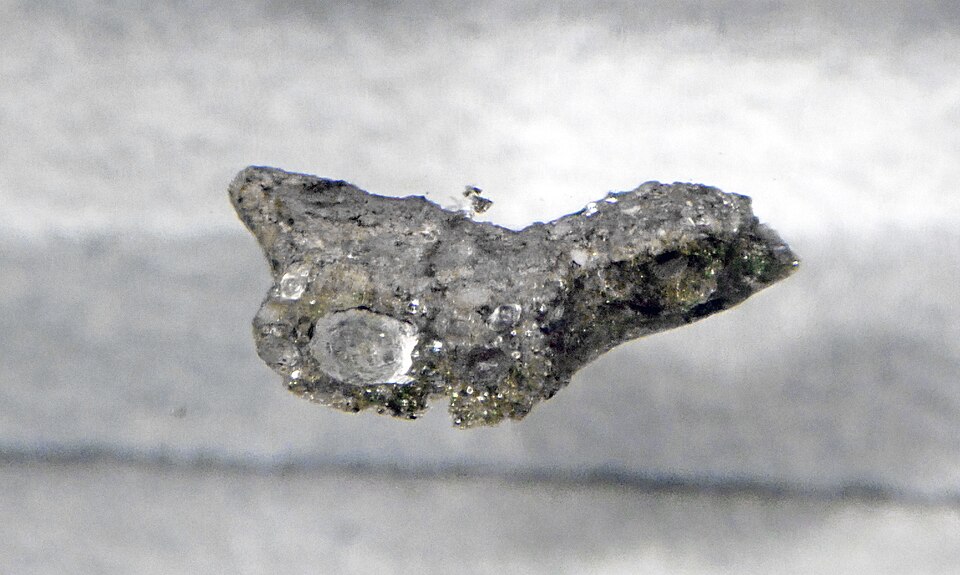
The UK has reached a major nuclear milestone, safely converting plutonium residue into a stable waste form for the first time — a step officials say marks the beginning of a long-term solution
to the country’s plutonium legacy.
The achievement was delivered by the Nuclear Decommissioning Authority (NDA) at the Sellafield site in Cumbria, where teams processed a can of plutonium residue into a waste form suitable for eventual disposal in a Geological Disposal Facility. The material, a by-product of historic fuel and material manufacturing, is the first of around 400 cans to be treated through the new programme.
Crucially, the work has been carried out using modified facilities already operating at Sellafield since the mid-1980s — an approach the NDA says will speed up delivery and reduce costs.
David Peattie, CEO of the NDA group, hailed the milestone as evidence of the organisation’s expertise. “Processing this first can of residue into a disposable form represents significant progress and was achieved within 12 months of the policy being announced,” he said. Peattie added that plutonium management will remain a top priority “for decades,” supported by ongoing government investment.
Science and Nuclear Minister Lord Vallance praised the project as a demonstration of UK leadership in “innovation and nuclear legacy management,” crediting the specialist workforce at Sellafield.
Sellafield CEO Euan Hutton said the work marks an important step in tackling the world’s largest civil plutonium stockpile. “This achievement means we can deal with some of the more problematic material now, putting it beyond reach earlier,” he said, applauding the specialist teams who adapted unique “alpha” handling skills to process material never managed before.
Preparing to process the full plutonium stockpile
With the initial success completed, the NDA is now turning to the much larger task: immobilising the UK’s entire separated plutonium inventory. Most of this material exists as a hazardous oxide powder and will require new processing technology and infrastructure at Sellafield.
The government has allocated £154 million over five years to support this next phase, funding new laboratory facilities, research and development, and around 100 jobs — most of them in Cumbria. The NDA will work closely with Sellafield Ltd, Nuclear Waste Services, the National Nuclear Laboratory and industry partners to design and test technology capable of locking the stockpile into a permanent, disposal-ready form.
The full programme is expected to span decades, but officials say the first successful conversion proves the UK is moving closer to a long-awaited solution to one of its most complex nuclear challenges. Photo by James St. John, Wikimedia commons.