More than 100,000 children in London will wake up on Christmas Day in temporary accommodation, as the capital faces what local leaders are calling an escalating “homelessness emergency”.
Fresh analysis from London Councils — a cross-party body representing the city’s local authorities — shows homelessness in the capital has reached a record high. The group estimates that around 210,000 Londoners will be without a permanent home on Christmas Day, meaning one in every 50 residents is living in temporary housing.
Children are at the sharpest end of the crisis. London Councils says 102,000 children are now homeless in the city, an 8% rise since last year and 35% higher than in 2021. Based on average classroom sizes, the group estimates every London class will include at least one child experiencing homelessness.
The capital remains the hardest-hit region in the country, accounting for more than half of all homeless households in England.
Alongside the human impact, boroughs say the crisis is placing unbearable strain on local finances. Councils are collectively spending £5.5 million a day on homelessness support, with around £5 million of that going directly on temporary accommodation.
A chronic shortage of affordable housing continues to drive demand, pushing up the costs of accommodation. According to London Councils, the cost of temporary housing has surged by 75% in five years, far outpacing the 23% rise in market rents over the same period.
Children facing long-term damage
The organisation warns that homeless children face worse health and educational outcomes, and often live in overcrowded or poor-quality housing far from their schools, families and support networks.
Boroughs call for national action
While London boroughs are developing joint responses – including the new Ending Homelessness Accelerator Programme with the Mayor of London – councils say they cannot manage the crisis alone and are urging Westminster to step in with stronger support.
Cllr Grace Williams, London Councils’ Executive Member for Housing & Regeneration, described the figures as devastating: “It is heart-breaking that so many children in the capital are homeless and set to spend Christmas in temporary accommodation.
“London is the epicentre of a national homelessness crisis that has been years in the making, and the situation here is nothing less than an emergency. The impact on children is devastating and the pressures on local services are unsustainable.
“Boroughs are working hard to support homeless Londoners as best we can, but we need more action at a national level too. We welcome the government’s new homelessness strategy and its focus on a cross-departmental approach to tackling this crisis. It is vital this delivers the policy changes and resources we need to turn the tide on homelessness in the years ahead.”
Williams welcomed the government’s new national homelessness strategy, but stressed that councils need deeper long-term support to reverse the trend.
What Councils want
London Councils is calling for several major policy changes, including:
- Higher housing subsidies for temporary accommodation. Payments to councils have been frozen since 2011, even as housing costs have soared.
- Increased Local Housing Allowance rates to reflect real rental prices, making private housing more accessible to low-income tenants.
- More capital funding to build or buy properties for temporary accommodation, strengthening council housing stock and reducing reliance on private rentals.
- Protection for social housing budgets, including support for higher social rent convergence rates to ensure boroughs can continue developing affordable homes.
Despite welcoming programmes such as the extended Local Authority Housing Fund and £11.7bn earmarked for housebuilding in the capital over the next decade, borough leaders warn the current trajectory is unsustainable.
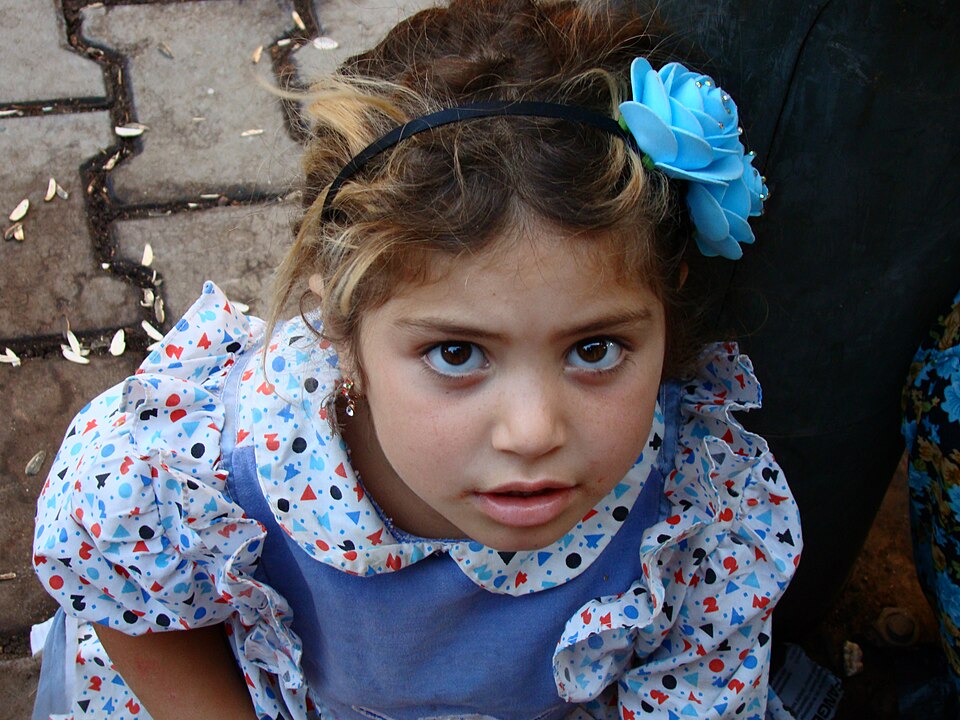
As Christmas approaches, London Councils says the scale of homelessness in the capital is a national emergency — and that without urgent intervention, the number of families falling into temporary accommodation will continue to climb. Photo by Jihadmahde, Wikimedia commons.