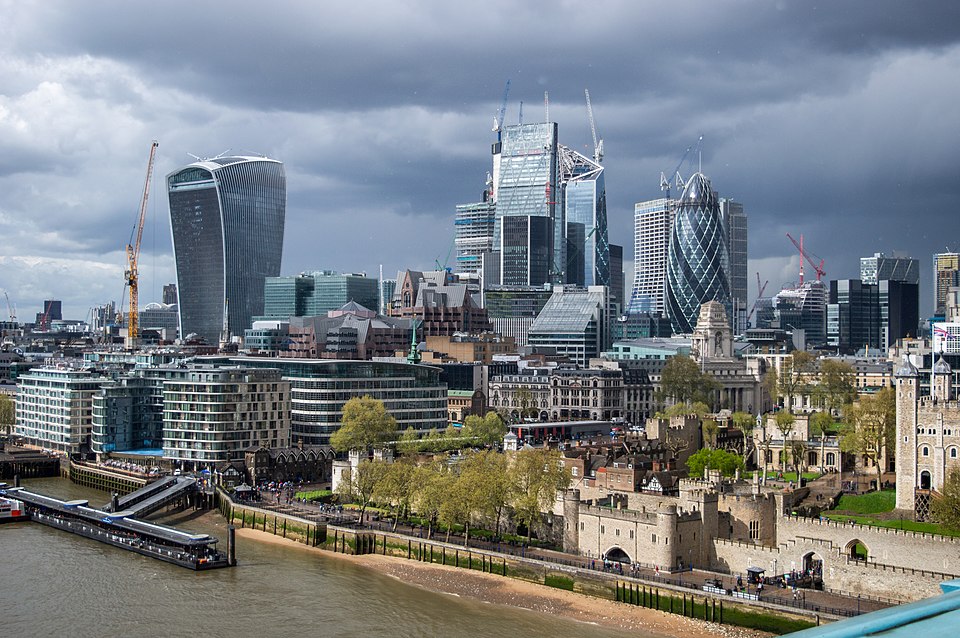
Britain’s economy delivered stronger-than-expected growth in the first quarter, offering signs of resilience even as the escalating Iran conflict fuels fears over inflation, energy costs and a
potential downturn later this year.
Data released by the Office for National Statistics (ONS) showed gross domestic product rose 0.3% in March from the previous month, outperforming economists’ forecasts for a 0.2% decline. Growth was driven by solid performances across services, construction and manufacturing.
For the January-to-March period, the economy expanded by 0.6%, continuing a pattern of unusually strong first-quarter growth seen in recent years. Economists, however, cautioned that seasonal distortions linked to post-pandemic spending habits may be exaggerating the strength of the figures.
Analysts also pointed to the impact of geopolitical tensions. Raj Badiani, economics director at S&P Global Market Intelligence, said businesses may have accelerated orders and stockpiled goods ahead of disruptions linked to the Iran war, temporarily boosting economic activity in March.
Despite the upbeat headline figures, economists warned the outlook for the rest of the year remains fragile. Rising oil prices tied to the Middle East conflict are expected to push inflation higher, increasing pressure on households and businesses while complicating decisions for the Bank of England.
Badiani said recession risks had intensified and forecast mild contractions in the second and third quarters as higher energy costs feed through the economy and interest rate pressures persist.
The ONS said early spending indicators for April already suggested momentum was weakening at the start of the second quarter.
Political uncertainty is also adding to investor concerns, with questions emerging over Prime Minister Keir Starmer’s political future and the stability of the government’s economic agenda.
In a separate blog post published Thursday, the ONS acknowledged potential flaws in the way economic activity has been seasonally adjusted since the pandemic, particularly around changing consumer spending patterns and the timing of annual price increases. The statistics agency slightly revised down its estimates for first-quarter growth in both 2024 and 2025.
ING economist James Smith said the data still appeared distorted by inflation-era pricing patterns.
“Something still seems off in the seasonal adjustment process,” Smith said, adding that the Bank of England remained focused primarily on the risk of inflation feeding into wages rather than on short-term growth fluctuations.
A Reuters poll of economists this week showed most expect the Bank of England to keep interest rates at 3.75% for the remainder of the year, although a growing minority now anticipate at least one additional rate increase as the Iran conflict drives up global energy prices.
Financial markets are even more aggressive in their expectations, currently pricing in between two and three quarter-point hikes before year-end.
Separate trade figures highlighted the UK’s exposure to rising energy costs, showing fuel imports surged by £1.8 billion in March — the third-largest monthly increase since records began in 1997.
Finance minister Rachel Reeves said the latest figures demonstrated that the government’s economic strategy was working, despite mounting external pressures. Photo by Tristan Surtel, Wikimedia commons.