The UK has launched a new military space-monitoring system designed to strengthen the protection of British satellites and the critical services they support, as the government also released
the first images captured by its Noctis-1 space telescope.
The software platform, known as Borealis, became operational six months ahead of schedule and is expected to significantly improve the UK’s ability to detect, track and analyse objects in orbit — including space debris and potentially hostile satellites operated by adversaries.
Defence officials say the system will enhance national security by giving military operators faster and more accurate awareness of activity in space, a domain increasingly viewed as strategically contested.
Borealis works by rapidly compiling and analysing data from multiple sources to provide the National Space Operations Centre with a real-time picture of the orbital environment. The information will help protect satellites that support military operations, emergency services, communications, banking systems and navigation networks.
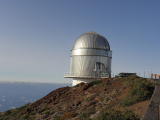
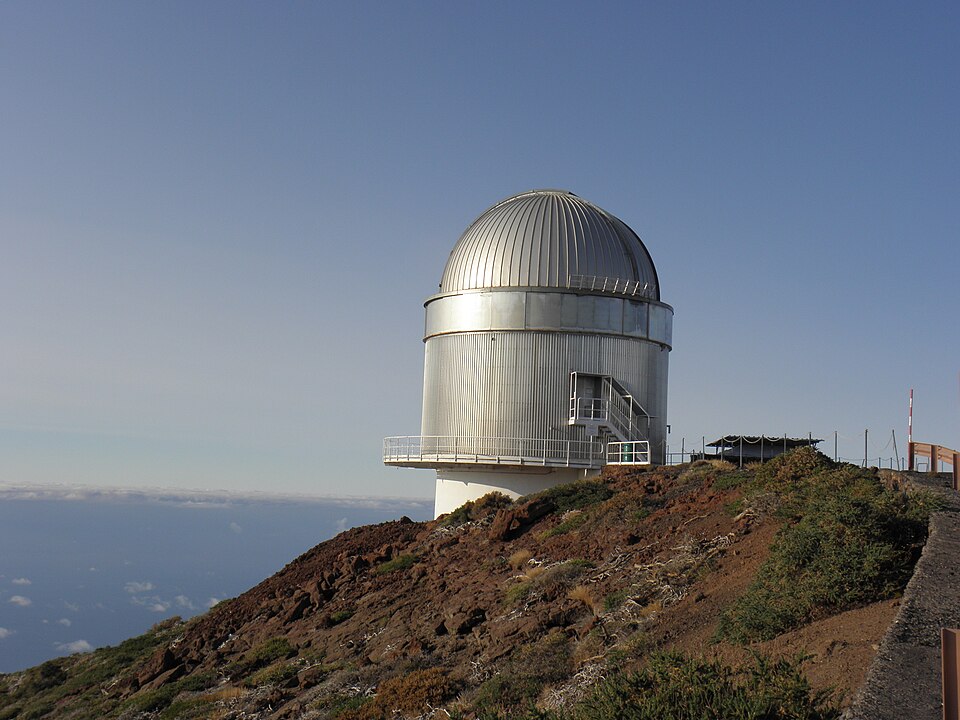
The announcement comes alongside the release of the first publicly shared images from the UK’s Noctis-1 military telescope, previously known as Nyx-Alpha. The telescope monitors satellites and other objects orbiting Earth, helping operators track the position of UK assets and reduce the risk of collisions.
Among the images captured are views of the International Space Station, the UK’s SKYNET military communications satellites and spacecraft operated by other nations. Data gathered by Noctis-1 feeds directly into the Borealis platform.
Defence Minister Luke Pollard said the investment reflects the growing importance of protecting UK interests in orbit.
“Space is now a contested domain,” he said. “Protecting our satellites from adversaries keeps our economy moving and keeps us all safe.”
The government said nearly 20% of the UK economy relies on satellite services, which underpin everything from global communications and financial transactions to weather forecasting and military coordination.
The Borealis programme is being delivered under a £65 million, five-year contract with CGI UK and is expected to support around 100 skilled jobs across Leatherhead, Reading and Bristol.
Space Minister Liz Lloyd described the programme as a major step forward for British space security and surveillance capabilities.
“This joint investment by the UK Space Agency and Space Command ensures the UK remains a world leader in understanding and protecting the space environment,” she said.
Major General Paul Tedman, Commander of UK Space Command, said the combination of Borealis and the Noctis telescope network would give Britain greater independence in monitoring threats in orbit.
“Protecting and defending the invisible front line in space requires us to see and understand what is happening in orbit and then make decisions at machine speed,” he said.
A second telescope, Noctis-2, is expected to follow as the UK expands its sovereign space-monitoring capabilities.
Officials say Borealis will also improve decision-making for military commanders by delivering faster intelligence on environmental conditions, debris fields and satellite movements, helping support operations on Earth as well as in orbit.
The investment forms part of the government’s broader defence spending plans, which aim to raise defence expenditure to 2.6% of GDP from 2027 — the largest sustained increase since the Cold War. Photo by Christoffer H. Støle, Wikimedia commons.