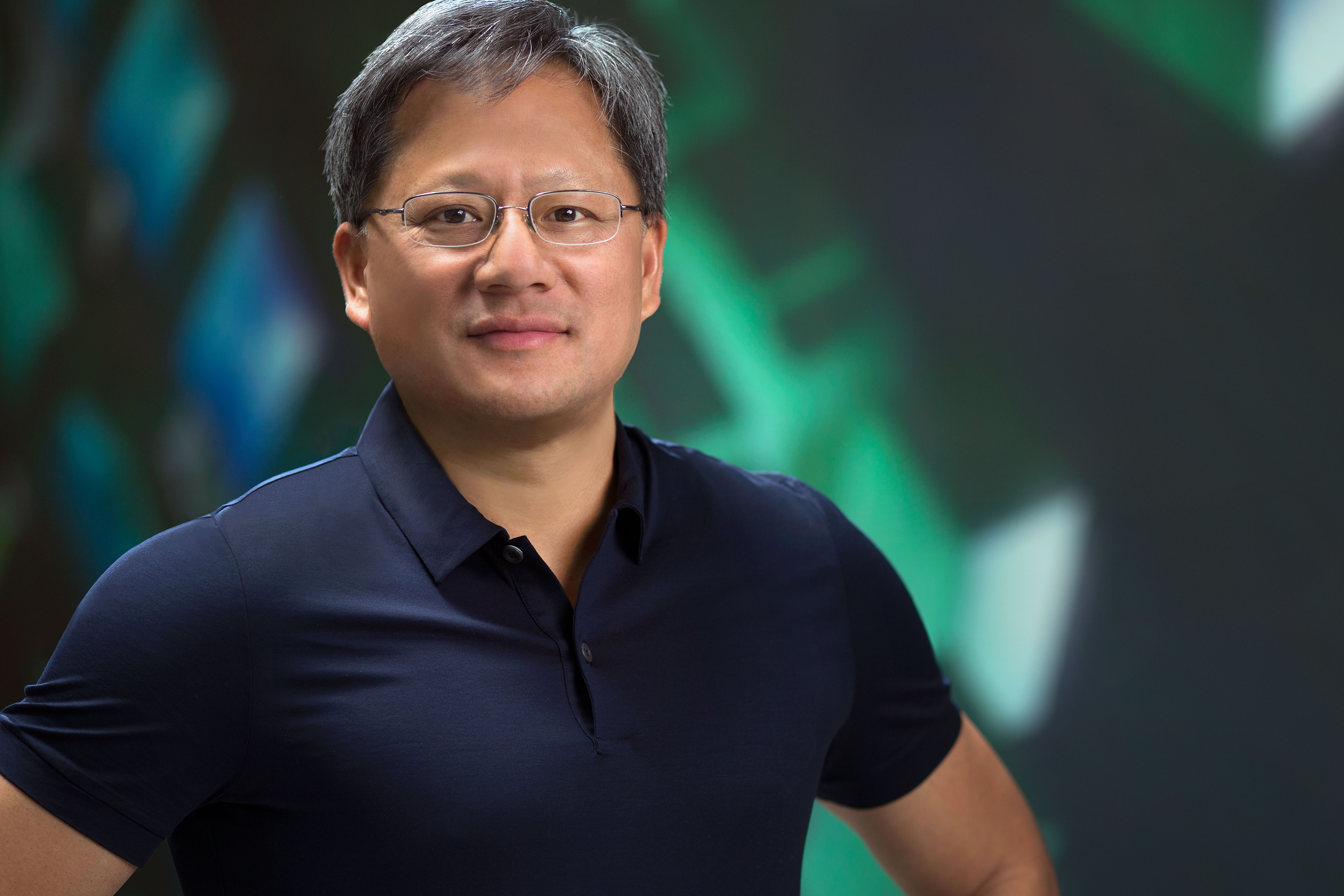
Nvidia co-founder Jensen Huang has resigned as president and chief executive with immediate effect, following reports of two extramarital affairs that have triggered a corporate crisis and
raised questions about potential national security risks. The departure of one of the most influential figures in the artificial intelligence industry has sent shockwaves through financial markets and raised uncertainty about the future direction of the world's leading AI chipmaker.
Nvidia announced on Thursday, 12 November, that Huang, 63, had stepped down from his positions as president, CEO and member of the company's board of directors. The decision followed a board meeting on Wednesday, during which directors discussed his future amid mounting controversy surrounding his personal relationships and alleged links to a foreign intelligence operation.
Chief Financial Officer Colette Kress has been appointed interim chief executive while the company searches for a permanent successor. Kress, who joined Nvidia in 2013, will retain her CFO responsibilities during the transition. Meanwhile, Harvey C. Jones, former chief executive of Synopsys and a longtime Nvidia board member, has been appointed the company's first-ever chairman of the board.
The leadership change comes after reports emerged of two alleged extramarital affairs involving Huang. One concerned Alice Huang, a Chinese businesswoman whom US authorities reportedly suspect of having links to Chinese intelligence. The allegations have prompted questions about whether the Nvidia chief executive may have been targeted as part of a foreign intelligence operation.
A separate report alleged that Huang had also been involved in a relationship with a senior Nvidia employee. These revelations intensified scrutiny of the company's corporate governance and prompted its board to initiate an independent investigation.
On 8 November, Nvidia's board confirmed that it had launched an investigation into reports that Huang had been the target of a foreign intelligence effort. The company said that an independent committee, supported by external legal advisers, would oversee the inquiry. At the time, the board stated that it had no reason to believe that US national security or Nvidia's confidential information had been compromised.
Huang's resignation has also attracted political attention in Washington. US President Donald Trump described the Nvidia founder as a 'legend', while members of Congress called for further investigations into possible national security implications surrounding the allegations and the company's exposure to potential foreign intelligence activities.
The news has had an immediate impact on financial markets. Nvidia shares fell sharply following the announcement, reflecting investor concerns about the departure of the executive who has been central to the company's development and its position at the heart of the global AI boom. The leadership transition has also raised questions about the stability of an extensive ecosystem of technology companies, cloud providers and AI developers that rely on Nvidia's chips and infrastructure.
Huang co-founded Nvidia in 1993 and transformed it from a graphics processor manufacturer into a global leader in accelerated computing and artificial intelligence. Under his leadership, the company became one of the world's most valuable technology businesses, supplying the advanced processors used to train and operate many of today's leading AI systems.
His departure therefore represents more than a change in corporate leadership. Nvidia has become a central player in the global race for artificial intelligence, with its technology underpinning major investments in data centres, cloud computing and next-generation digital infrastructure.
The appointment of Kress is intended to provide continuity while the board considers candidates for the permanent position. However, the company faces the challenge of maintaining investor confidence, reassuring business partners and addressing questions about its corporate governance and international security exposure.
For the wider technology industry, Huang's resignation marks a significant turning point. The coming weeks will show whether Nvidia can maintain its leadership and the confidence of investors and customers while navigating one of the most serious crises in its history.
Jensen Huang's resignation marks a major leadership change for Nvidia at a time when the company occupies a central position in the global artificial intelligence industry. The controversy surrounding his personal relationships has developed into a broader corporate and national security issue, attracting attention from US political leaders and financial markets. Although Colette Kress is expected to provide continuity during the transition, investors and technology companies will be watching closely to see how Nvidia manages the leadership change and protects its position in the rapidly expanding AI market. Photo by nvidia.corporation, Wikimedia commons.