Australia’s first major new airport in more than 50 years begins passenger operations, promising round-the-clock flights and greater capacity for Sydney’s expanding population.
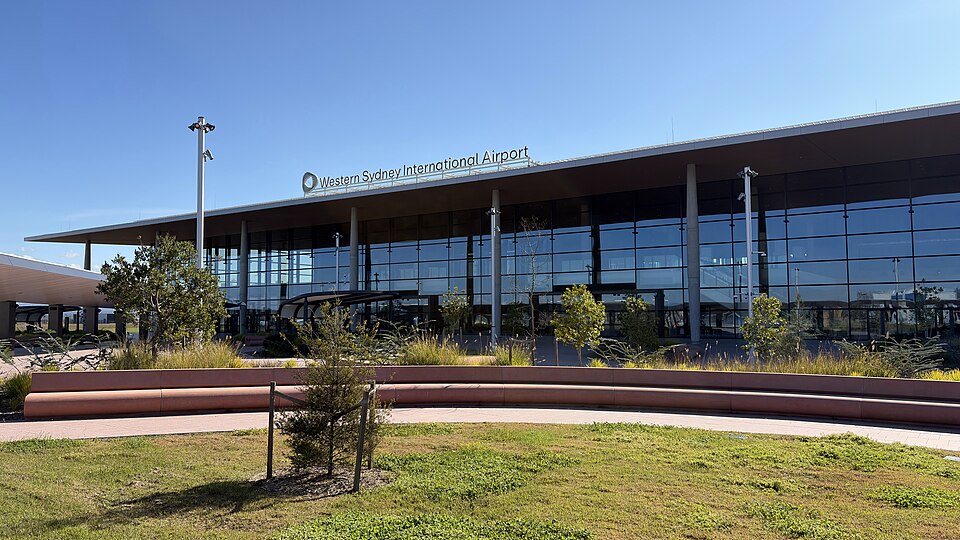
Sydney has entered a new era of aviation with the opening of Western Sydney International Airport, a A$5.6 billion (approximately US$3.94 billion) infrastructure project designed to expand the city’s air travel capacity and improve connections with domestic and international destinations.
The airport, located in Badgerys Creek around 60 kilometres west of central Sydney, welcomed its first passengers on Sunday after decades of planning and years of construction. Australian Prime Minister Anthony Albanese described the launch as a historic milestone for the country’s most populous city.
The new facility is expected to provide airlines with greater operational flexibility, particularly because it will run 24 hours a day. This distinguishes it from Sydney’s existing Kingsford Smith Airport, which is subject to a night-time curfew restricting aircraft movements between 11 p.m. and 6 a.m.
The restrictions at the older airport have long limited airlines’ ability to schedule flights at certain hours. The new airport could therefore offer additional opportunities for carriers seeking to expand their services while responding to growing passenger demand.
Albanese welcomed the opening, highlighting its national significance. He noted that Australia had not inaugurated a major new airport in more than half a century, describing the project as the culmination of a process spanning several decades.
The first scheduled departure was planned to be operated by Jetstar, the low-cost subsidiary of Qantas, with a flight bound for the Gold Coast. Passenger services follow the introduction of cargo operations at the airport in July.
Designed to accommodate more than 80 million passenger movements annually at full capacity, Western Sydney International is intended to support the region’s long-term growth. Its location places it closer to rapidly developing communities west of Sydney’s traditional business and population centres, including neighbourhoods with increasingly diverse populations.
The airport occupies a 1,780-hectare site acquired by the Australian federal government in the 1980s. Following approximately 15 years of planning, construction began in 2018, and the facility was completed in July 2025 after a seven-year building programme.
Its opening represents a significant investment in Australia’s transport infrastructure, with the potential to redistribute air traffic, create new economic opportunities and improve access to aviation services for residents and businesses across Western Sydney.
The long-term impact will depend on how quickly airlines expand their operations, how passenger demand develops and how effectively transport links connect the airport with the wider metropolitan area. Nevertheless, the launch establishes a second major aviation gateway for Sydney and creates additional scope for the city’s future development. Photo by Aebion, Wikimedia commons.