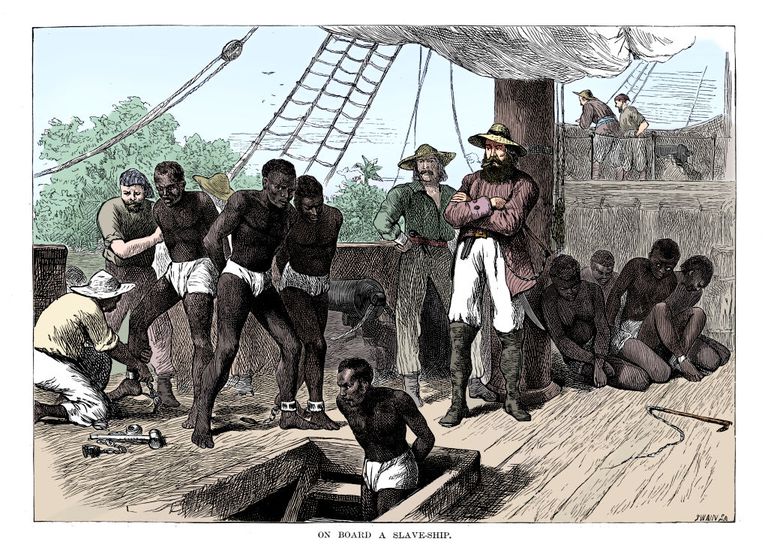
The Mayor of London, Sadiq Khan, has announced funding for 10 community organisations working to preserve the history of transatlantic slavery and establish a wider network of
memorials across the capital.
The initiative, unveiled during Black History Month, will provide grants of up to £10,000 to each organisation across nine London boroughs. Supported by The National Lottery Heritage Fund, the programme will finance educational activities, exhibitions, guided walking tours and research into locations suitable for permanent memorials commemorating the victims and enduring consequences of the transatlantic slave trade.
The community-led projects will contribute to a broader effort to recognise a chapter of history that has profoundly shaped London but remains underrepresented in its public monuments and commemorative spaces.
Although the capital contains numerous historic buildings and monuments reflecting the wealth generated through the exploitation and enslavement of African people, as well as memorials celebrating the eventual abolition of slavery, there are comparatively few public landmarks dedicated to the millions who suffered under the system.
The Mayor’s Sites of Memory programme aims to address this imbalance by supporting local initiatives that bring neglected histories to wider public attention. Research undertaken by the participating organisations will help determine where smaller, permanent memorials can be established throughout London, creating a network connected to a major new installation in the Docklands.
Major memorial receives planning approval
The central feature of the initiative will be The Wake, a public memorial designed by artist Khaleb Brooks to honour enslaved Africans transported across the Atlantic and their descendants. The project has secured planning permission, clearing the way for work to begin on the installation at West India Quay in London Docklands, an area closely associated with the city’s involvement in the transatlantic slave trade.
Standing nearly seven metres tall, the bronze sculpture will take the form of a cowrie shell. These shells have long held cultural significance in African societies, but they were also used as currency in trading systems associated with the exploitation and commodification of human lives.
The memorial is intended to provide a lasting place for remembrance, contemplation and hope. It will acknowledge the suffering of those affected by slavery while encouraging reflection on how historical injustices continue to shape society today.
The project’s significance extends beyond commemorating the past. Its organisers envisage remembrance as a way to deepen public understanding, recognise the experiences of communities whose histories have often been overlooked and encourage a more inclusive future.
Smaller memorials inspired by the shell design are also planned at locations across the capital. Their development will be informed by the historical investigations and community engagement undertaken through the 10 funded projects.
Local projects to uncover overlooked histories
The grants will support a range of initiatives designed to connect Londoners with the capital’s complex history of slavery, resistance and the struggle for freedom.
In Camden, a touring exhibition will explore the lives of people who fought for liberty, justice and freedom. In Waltham Forest, a community-led research and storytelling project will examine the borough’s links to transatlantic slavery and the longstanding presence of people of African descent.
Meanwhile, in the City of London, five guided walking tours will introduce participants to overlooked Black histories in the Square Mile, shedding light on people, places and events that have received limited recognition in conventional accounts of the capital’s past.
Together, the projects are intended to strengthen public engagement with Black history and ensure that the legacy of transatlantic slavery is recognised not only through a major central memorial but also through local landmarks, educational programmes and community initiatives across London.
By combining historical research with public participation, the Sites of Memory programme seeks to create a lasting network of remembrance that reflects the experiences of those affected by slavery and broadens understanding of London's historical responsibilities and legacy.
The Mayor of London, Sadiq Khan, said: “The legacy of Transatlantic Slavery has been felt by generations of Black communities in London, across Britain and around the world, yet for too long our capital’s role in this crime against humanity has not been fully acknowledged.
“The Wake will provide an opportunity to reflect on this painful chapter of our shared history, while celebrating the significant achievements of descendant communities and looking ahead to a more inclusive future. By further supporting community organisations to deliver projects and research, we can ensure future generations fully understand the history that has shaped our capital, as we build a better and fairer London for everyone.”
Deputy Mayor for Communities and Social Justice, Dr Debbie Weekes-Bernard, said: “History belongs to all of us and our public spaces should reflect the stories and experiences of every community. These projects will give Londoners new opportunities to learn, connect and reflect on the legacy of transatlantic slavery while helping to build a city where everyone feels seen, valued and included.”
Khaleb Brookes, artist, said: “At a time when solidarity, community engagement and historical reflection is needed more than ever, I am so excited by the possibilities a creative intervention such as this one will offer London. These sites not only speak to slavery’s past but will continue networks of survival long fostered by people of African descent. They are monuments of connection offering a sense of belonging to our future generations.” Photo by Joseph Swain, Wikimedia commons.