Britain will continue to pursue an open and pragmatic trading relationship with China, despite growing international concern over global trade imbalances, Chief Secretary to the Treasury
Emma Reynolds said.
Speaking to Reuters on Tuesday on the sidelines of the G20 finance ministers and central bank governors' meeting in Asheville, North Carolina, Reynolds said the UK would seek to cooperate with China where interests align while remaining willing to challenge Beijing on areas of disagreement.
"We have a pragmatic relationship with China, one where we cooperate on things that we agree on, but also challenge in areas where we disagree," Reynolds said.
Her comments come as G20 finance officials grapple with the politically sensitive question of how to address persistent global trade and economic imbalances, particularly those involving China's large trade surplus.
US Treasury Secretary Scott Bessent has urged G20 members to consider stronger trade measures against Chinese imports as part of efforts to reduce those imbalances. Washington has already introduced a range of tariffs and other restrictions on Chinese goods.
Britain, however, is not signalling a shift towards broad-based trade barriers. Reynolds said the UK generally favours keeping markets open and regards free trade as preferable to protectionist measures.
"As a general rule, we are a very open trading economy, and we believe, sort of as a general principle, that free trade is better than putting up barriers," she said.
The UK government's approach reflects an effort to balance economic engagement with China against wider national security and foreign policy concerns. Reynolds contrasted Britain's approach to Beijing with its tougher stance towards countries such as Russia and Iran.
She said Britain maintains open trade with friendly countries while imposing sanctions and embargoes on states involved in wars or seeking to develop nuclear weapons.
The comments underline London's attempt to preserve commercial ties with China while maintaining flexibility on security and strategic issues. Rather than adopting a blanket policy of economic restrictions, Britain appears intent on addressing individual concerns through targeted measures.
Reynolds acknowledged that discussions over global economic imbalances would be difficult, describing the issue as "quite a sensitive one and a tricky one". She said Britain would work with its G20 partners to find a way forward.
The debate comes as major economies face renewed pressure to address differences in exports, imports and domestic demand. China's dominant position in global manufacturing and its substantial trade surplus have become a particular source of tension, especially with the United States.
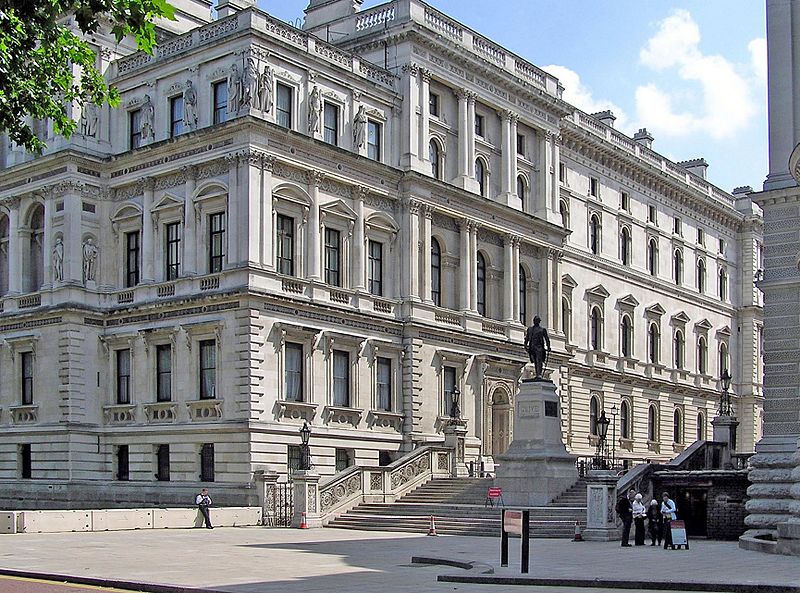
For Britain, the challenge is to support a more balanced global economy without undermining the benefits it derives from international trade. Reynolds' remarks suggest the government currently sees engagement and targeted intervention as preferable to a broad protectionist strategy. Photo by Adrian Pingstone, Wikimedia commons.