Oil prices surged sharply at the start of the week as fresh tensions between United States and Iran cast doubt over a fragile ceasefire, reigniting fears of supply disruptions in one of the
world’s most critical energy corridors.
Brent crude climbed nearly 5% in early trading, reaching $94.57 per barrel, while U.S. West Texas Intermediate rose even more steeply to $88.45. The rebound follows a dramatic 9% plunge on Friday, when markets had briefly calmed after Tehran signaled that shipping through the strategically vital Strait of Hormuz would remain open during the truce.
That optimism has quickly faded.
Within 24 hours of Iran’s assurances, reports emerged of tanker incidents involving Iran’s Revolutionary Guard, raising concerns that the ceasefire could unravel before its scheduled expiration later this week. Analysts say the situation underscores a widening gap between diplomatic messaging and realities on the ground.
Compounding tensions, Washington confirmed it had seized an Iranian cargo vessel attempting to breach its naval blockade. Tehran has vowed retaliation and announced it will not join a second round of negotiations that the U.S. had hoped to initiate before the truce deadline.
The geopolitical uncertainty is now feeding directly into oil market volatility. According to industry analysts, between 10 and 11 million barrels per day of crude production remain offline, tightening global supply. At the same time, shipping through the Strait of Hormuz—responsible for roughly one-fifth of global oil flows—has slowed to a near standstill, with only a handful of vessels passing through in recent hours.
Even when ships do move, traders face longer routes, rising insurance premiums, and soaring freight costs, further straining supply chains.
Latest developments in the U.S.–Iran conflict
Recent developments suggest the situation remains highly unstable:
- Military posturing has intensified on both sides, with increased naval deployments reported in the Gulf region.
- Iran has hardened its stance diplomatically, stepping back from talks and signaling it may respond asymmetrically rather than through direct confrontation.
- The U.S. continues to enforce maritime restrictions, aiming to limit Iranian exports and maintain pressure ahead of any renewed negotiations.
-Energy markets are increasingly reacting not just to political statements, but to real-time disruptions in physical oil flows.
Despite earlier claims from Donald Trump that Iran would permanently keep the strait open, recent incidents have cast doubt on any lasting agreement.
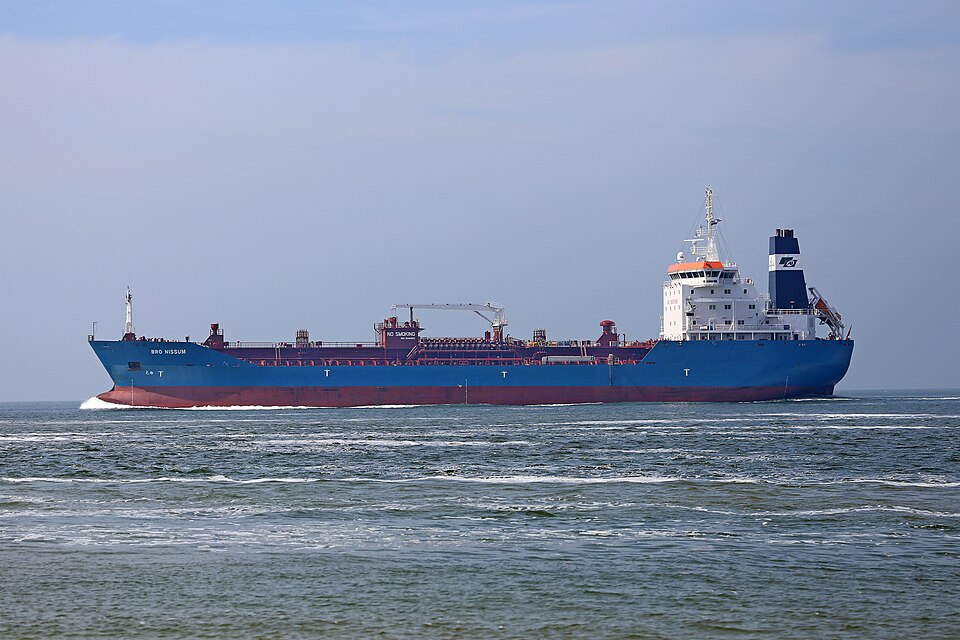
For now, traders remain caught between fragile diplomacy and deteriorating conditions in the physical oil market—a combination that is likely to keep prices volatile in the days ahead. Photo by W. Bulach, Wikimedia commons.