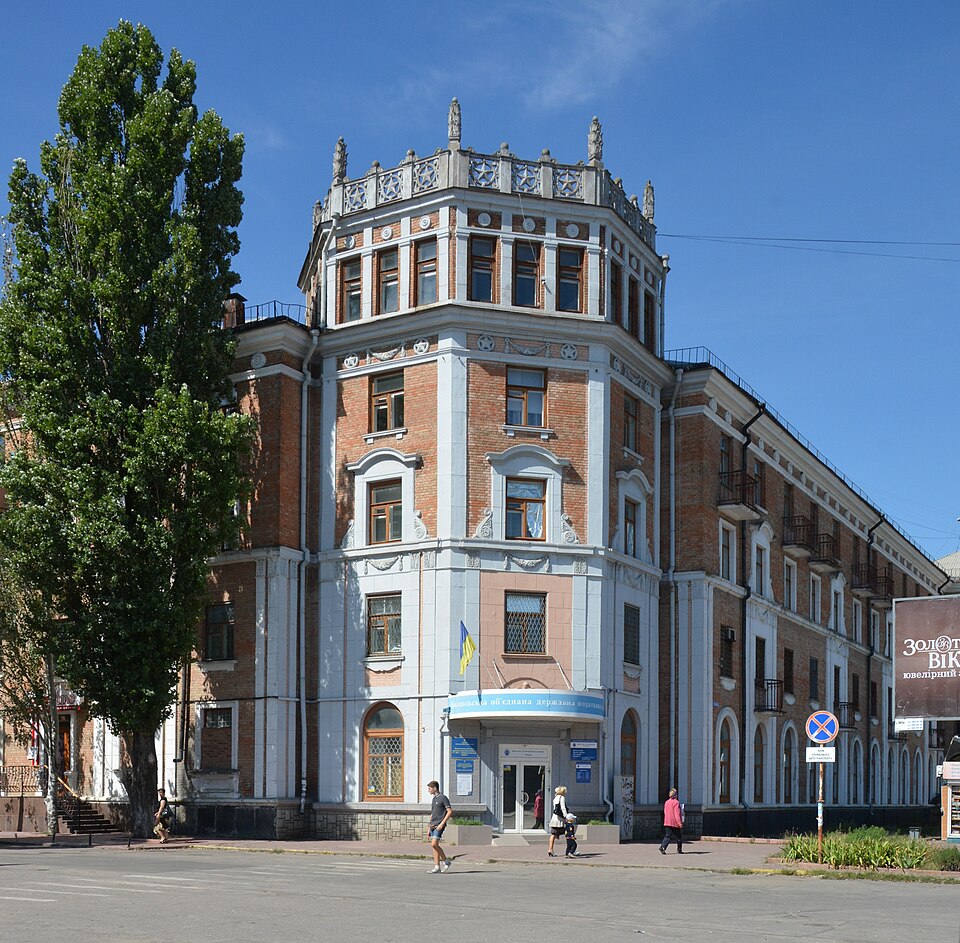
A Russian drone strike hit a busy market in the frontline city of Nikopol on Saturday morning, killing at least five people and injuring 19 others, according to Ukrainian authorities.
Ukraine’s prosecutor general’s office condemned the incident, calling it “yet another war crime” by the Russian Federation. Emergency crews rushed to the scene, where shattered stalls and debris marked what had been a routine morning for local residents.
Nikopol sits along the banks of the Dnipro River, directly facing Russian-occupied territory just a few kilometers away. Its location has made it a frequent target of artillery, drone, and missile attacks since the early stages of the full-scale invasion.
A frontline city under constant threat
For months, residents of Nikopol have lived under near-daily bombardment. Markets, residential buildings, and infrastructure have all been hit, underscoring the vulnerability of civilians in frontline regions. Despite the danger, many locals continue their daily routines out of necessity.
This latest strike follows a broader pattern seen throughout 2025 and into 2026, where both drone warfare and long-range strikes have intensified. Analysts note that the increased use of relatively low-cost drones allows Russia to maintain pressure on Ukrainian cities far from active ground offensives.
The war in 2026: evolving tactics, ongoing toll
Now in its fourth year, the Russian invasion of Ukraine has entered a prolonged and grinding phase. While large-scale territorial shifts have slowed, both sides have adapted with new tactics:
- Drone warfare expansion: Russia continues to rely heavily on Iranian-designed Shahed drones and domestically produced variants to strike infrastructure and civilian areas.
- Ukrainian countermeasures: Ukraine has improved air defense systems, but smaller cities like Nikopol remain exposed.
- Frontline stagnation: Much of the fighting has settled into entrenched positions, particularly in southern and eastern regions.
- Civilian impact: Regular strikes on cities near the front line continue to cause casualties and disrupt daily life.
International observers and human rights organizations have repeatedly warned about the increasing number of civilian casualties resulting from strikes on non-military targets.
Calls for accountability
Ukrainian officials are once again urging the international community to hold Russia accountable for attacks on civilians. Investigations into alleged war crimes are ongoing, though prosecutions remain complex amid the continuing conflict.
As the war drags on, incidents like the one in Nikopol serve as a stark reminder that, despite shifting battle lines and evolving tactics, civilians remain at the center of the conflict’s human cost. Photo by Nataliya Shestakova, Wikimedia commons.