Slovenia has become the first European Union member state to introduce fuel rationing, responding to mounting pressure on supplies and prices triggered by escalating tensions in global
energy markets.
The move follows disruptions linked to recent strikes involving the United States and Israel against Iran, and Tehran’s retaliatory actions affecting key Gulf allies—regions central to global oil production. The fallout has driven fuel prices sharply higher across Europe.
In Slovenia, however, government-regulated prices remain significantly lower than in neighboring countries. This has sparked a surge in so-called “fuel tourism,” with drivers—particularly from Austria—crossing the border to fill up at cheaper rates.
To manage demand, the government has imposed strict purchase limits. Private motorists are now allowed to buy a maximum of 50 litres of fuel per day, while businesses and agricultural users can purchase up to 200 litres.
Prime Minister Robert Golob sought to reassure the public, emphasizing that supply remains stable. “There is enough fuel in Slovenia. Warehouses are full and there will be no shortages,” he said.
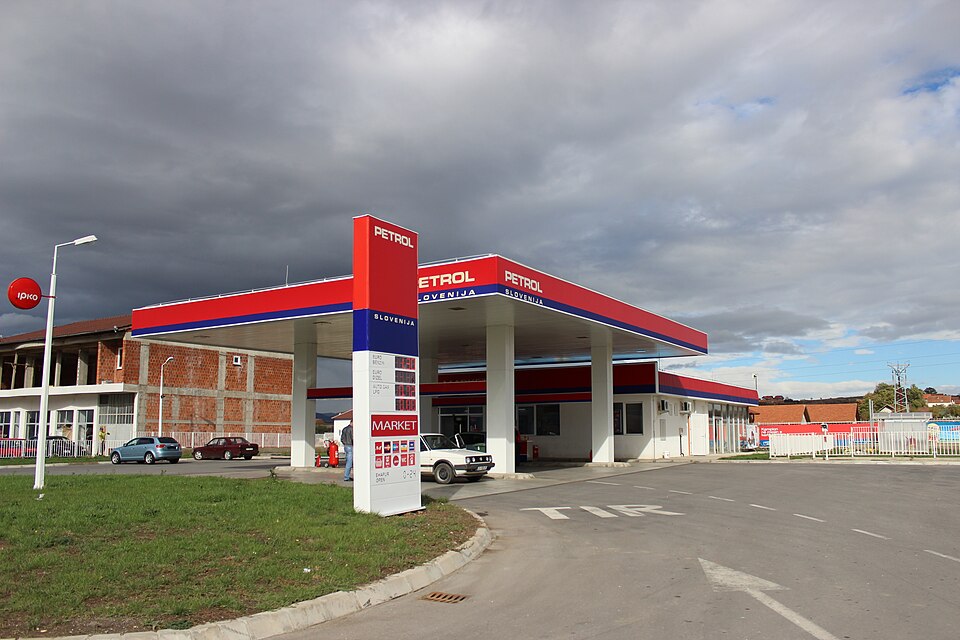
Despite these assurances, the strain on the system has been evident. Petrol stations are now responsible for enforcing the limits, requiring staff to monitor purchases and prevent stockpiling. The government has also urged retailers to consider stricter controls for foreign drivers.
Some companies had already taken independent action. MOL Group, which operates stations across Central Europe, had previously introduced a 30-litre cap.
The price gap continues to drive cross-border traffic. In Austria, petrol prices are nearing €1.80 per litre, with diesel approaching €2.00. In contrast, Slovenia has capped prices at €1.47 for petrol and €1.53 for diesel—though increases are expected.
At border crossings such as Šentilj, the impact is visible. Long queues and occasional shortages have left some drivers bewildered. One lorry driver, quoted by local media, described arriving at an empty station as an unprecedented experience, questioning whether his country was “at war.”
The situation has also taken on political overtones. Herbert Kickl, leader of Austria’s Freedom Party, has used the phenomenon to criticize domestic policy, sharing images of Austrian cars lining up at Slovenian stations.
Local reactions in Slovenia are mixed. While some residents complain about congestion and reduced access, others point to economic benefits, noting that many visiting drivers also spend money in shops and restaurants.
As long as price differences persist, analysts say the flow of cross-border fuel seekers is unlikely to slow—leaving Slovenia balancing affordability with supply control in an increasingly volatile energy landscape. Photo by Minale Tattersfield, Wikimedia commons.