Wealthy expats in Dubai are fleeing the region by road as airspace closures and missile strikes disrupt travel across the Gulf, with many driving for hours to
neighbouring Oman and Saudi Arabia to catch rare outbound flights.
Some have taken five-hour drives to Muscat, while others face journeys of up to 11 hours to Riyadh or eastern Saudi cities, hoping to secure private or limited commercial departures. Petrol stations in Dubai have seen long queues as residents rush to leave amid rising fuel prices and ongoing uncertainty.
Private jet demand has surged, with bookings up more than 50 per cent in recent days. Seats on small aircraft are reportedly selling for around £20,000 each, with entire flights costing up to £260,000, as families — and even pets — are flown out when landing slots can be secured.
Commercial aviation across the region has been thrown into chaos. More than 11,000 flights have been cancelled, affecting around one million passengers, after coordinated military strikes and retaliatory attacks led to widespread airspace closures over the Gulf.
Despite the disruption, aviation authorities in the UAE say they hope to gradually resume full operations if the security situation stabilises. Several major airlines have announced limited restarts, though delays and cancellations remain widespread.
British nationals have been among those caught up in the crisis. Around 100,000 people have registered their presence with UK authorities, as the government prepares contingency plans for possible evacuations by land. Some UK travellers have managed to return home on the first outbound flights from Abu Dhabi, describing tense journeys and missile strikes visible from hotels and airports.
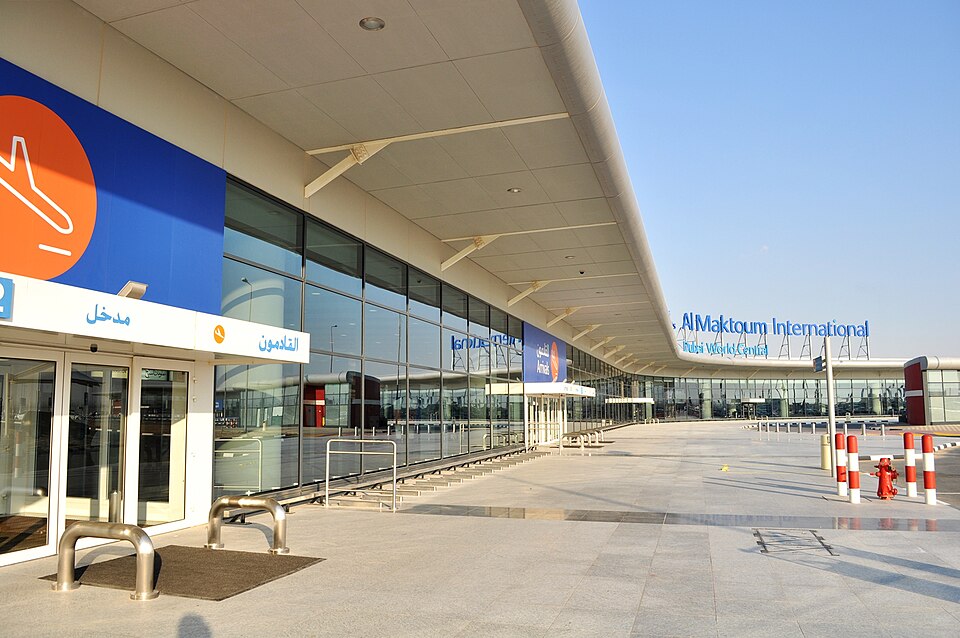
Officials continue to urge those still in the region to follow local safety advice, shelter where instructed and keep travel plans under review as the situation remains volatile. Photo by Marlin Le, Wikimedia commons.