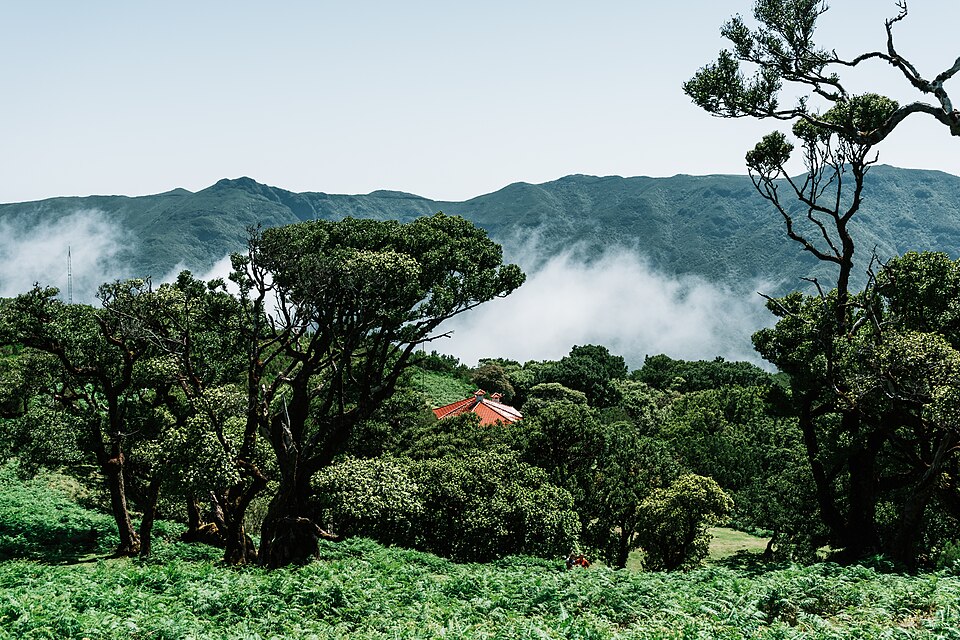
Portugal recorded the strongest forest growth in the European Union in 2023, underlining the country’s expanding timber resources at a time when sustainable forest management is central to
the EU’s climate and bioeconomy ambitions.
Forest growth is a key indicator for assessing how well Europe’s forests can support renewable materials, biodiversity and climate mitigation. Yet growth rates vary significantly across member states, influenced by factors such as tree species, forest age and management practices.
According to the latest data, Portugal posted a forest growth rate of 11.1% in 2023, measured as net annual increment relative to the opening stock of timber. This placed it well ahead of Denmark, at 7.6%, and Ireland, at 6.8%. At the opposite end of the spectrum, Malta reported no growth, while Cyprus recorded the lowest increase at 1.6%. Estonia and Bulgaria followed closely, both at 1.8%.
Assessing net timber growth requires accounting for both removals and natural losses. On this basis, 17 EU countries reported higher growth in 2023 compared with the previous year. Ireland saw the sharpest increase, up 3.6%, followed by Denmark at 3.2% and Cyprus at 1.6%.
However, not all countries shared in the upward trend. Timber growth declined in several member states, with Lithuania (-1.8%), Czechia (-1.7%) and Estonia (-0.6%) recording the largest drops.
The figures highlight the uneven pace of forest development across the EU, reflecting differing ecological conditions and management strategies as countries balance economic use of forests with long-term sustainability goals. Photo by André Moniz Vieira, Wikimedia commons