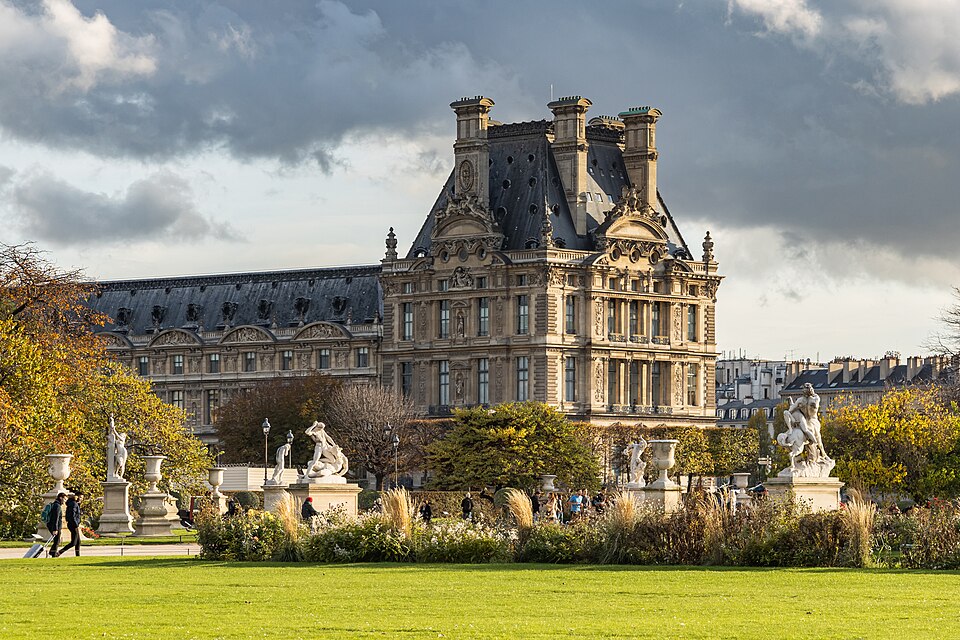
The Louvre Museum will significantly increase ticket prices for visitors from outside the European Union starting early next year, following a decision by its board
on Thursday.
Under the new pricing structure, tourists from countries including the US, UK and China will pay €32 ($37; £28) for admission—a 45% jump aimed at generating millions of euros annually to support a major overhaul of the world-famous institution.
The move comes in the wake of an embarrassing security breach in October, when a four-person gang made off with €102m ($102m; £76m) worth of jewellery in a matter of minutes. An audit conducted soon after the heist pointed to outdated infrastructure and inadequate security systems across the museum.
Beginning 14 January, the increased fee will apply to visitors from outside the European Economic Area, which includes the EU, Iceland, Norway and Liechtenstein. Non-EU tourists visiting in accredited tour groups will see their ticket prices rise to €28, the museum told the BBC.
Officials estimate the price hike will bring in an additional €15m to €20m per year, funding long-planned renovations and upgrades. The Louvre welcomed nearly 9 million visitors in 2024, with international tourists making up the majority. Americans accounted for more than 10% of total attendance, while about 6% came from China.
Pressure has been mounting for years to improve the museum’s ability to handle growing crowds. Visitors frequently complain about packed galleries and lengthy waits, especially around Leonardo da Vinci’s Mona Lisa. The painting, displayed in the Salle des États, attracts a constant surge of people hoping for a fleeting glimpse and a photo.
In January, French President Emmanuel Macron and Louvre officials announced a series of improvements to ease congestion, hinting at future fee increases for non-EU visitors by 2026. Macron also said the Mona Lisa would be moved to a new gallery to help manage the heavy foot traffic.
Beyond the Mona Lisa’s relocation, the museum plans to renovate additional spaces and expand amenities such as restrooms and restaurants—projects expected to cost several hundred million euros. Earlier this month, a gallery displaying Greek ceramics was closed due to structural concerns.
An internal review following the October theft noted that while the museum had invested heavily in new acquisitions, it had fallen behind on essential maintenance and restoration. Photo by Ali Sabbagh, Wikimedia commons.