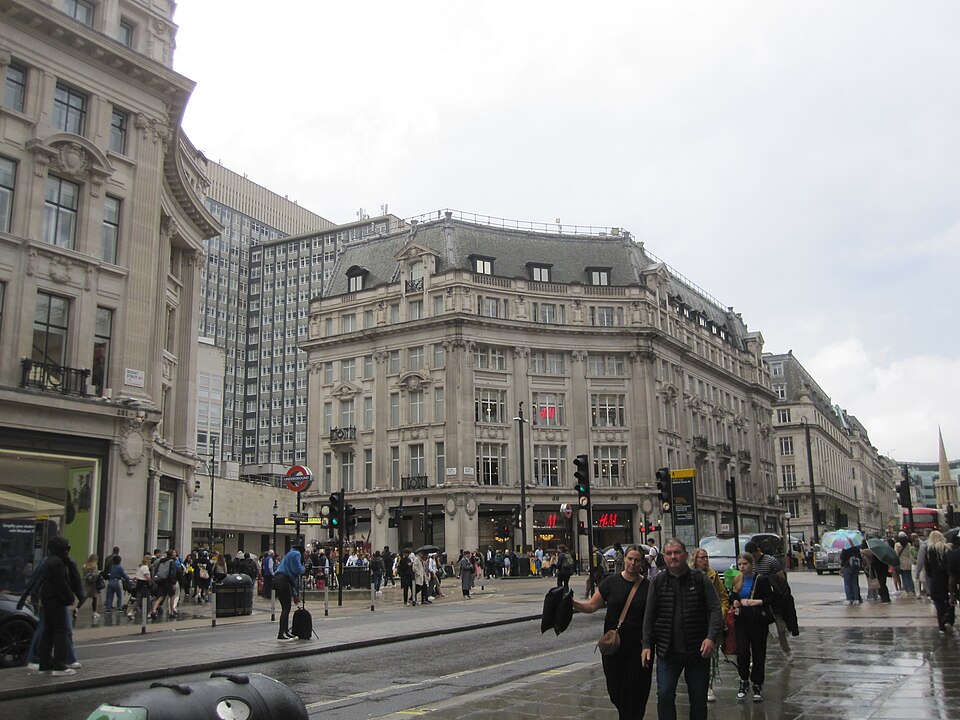
Oxford Street has entered a new phase of redevelopment, with almost one kilometre of the famous London shopping thoroughfare becoming permanently pedestrianised from Monday,
26 October 2026. The move marks the start of a wider project aimed at reshaping one of the capital’s best-known commercial destinations ahead of the busy Christmas shopping season.
The section between Orchard Street and Great Portland Street is now closed to private cars, buses, taxis, private hire vehicles, bicycles, scooters and pedicabs. The change is intended to create more space for shoppers and visitors while improving safety and the overall experience of spending time in the area.
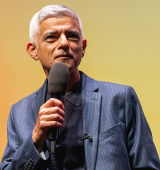
London Mayor Sadiq Khan described the launch as a significant moment for the capital, following decades of proposals and unsuccessful attempts to make Oxford Street more pedestrian-friendly. The current initiative is being delivered through cooperation between the Mayor and the UK Government.
According to the Greater London Authority, consultations found substantial support for the pedestrianisation plans, with approximately seven in ten respondents backing the proposals. The opening phase introduces a temporary layout that will allow the authorities to assess how the space is used and make adjustments before permanent designs are finalised.
New public spaces and greenery planned for 2027
The initial closure is only the beginning of a broader programme intended to modernise Oxford Street and strengthen its appeal as an international shopping, leisure and cultural destination.
By the end of spring 2027, the area is expected to feature more than 50 new trees, over 100 seats, two public squares, additional rest areas, dining tables, improved lighting and clearer signage. These additions are designed to make the street more comfortable and accessible for shoppers, workers, residents and tourists.
Construction activity will remain limited in the weeks immediately following the launch to minimise disruption during the crucial Christmas retail period. The authorities will use this transitional phase to collect data and feedback from visitors, local businesses, residents, accessibility organisations, police and other stakeholders.
Comments on the proposed changes can be sent to This email address is being protected from spambots. You need JavaScript enabled to view it.. Further opportunities to provide feedback in person are expected to be available next year.
Transport arrangements change as pedestrianisation begins
The restrictions will require buses, taxis, cyclists and other vehicles to use surrounding streets. Transport for London will monitor traffic conditions to assess how effectively the diverted routes operate.
New bus stops on Wigmore Street, Henrietta Place and Cavendish Place are located approximately 200 metres from the pedestrianised section, allowing visitors to continue accessing the shopping district by public transport.
Emergency vehicles will retain access to Oxford Street at all times. Deliveries serving shops and other businesses will be permitted between midnight and 7am, helping retailers maintain their operations despite the new restrictions.
Transport for London will oversee the maintenance of the pedestrianised area, while Westminster City Council will continue to manage street cleaning.
Ambitions to restore Oxford Street's global appeal
Oxford Street remains one of the UK's most prominent retail destinations, with major international brands, department stores and flagship shops attracting visitors from Britain and abroad. According to the figures cited by the Greater London Authority, annual spending in the area amounts to approximately £3.1 billion.
The district has also become increasingly attractive to office occupiers, supported in part by improved transport connections following the opening of the Elizabeth line. New developments have drawn interest from British and international companies, while property consultancy Savills has reported growing demand for space in anticipation of the area's regeneration.
The wider vision is to position Oxford Street alongside internationally recognised destinations such as New York's Times Square, Paris's Champs-Élysées and Barcelona's La Rambla. The plans envisage a district combining flagship retail with workplaces, hospitality, entertainment and cultural attractions.
City Hall hopes that the changes will encourage visitors to spend more time in the area, attract new investment and support employment and economic growth over the longer term.
The success of the pedestrianisation project will depend not only on removing traffic but also on how effectively the new public spaces serve shoppers, businesses and people who live and work nearby. Feedback gathered during the transitional period is expected to play a central role in shaping the permanent design of Oxford Street.
Mayor of London, Sadiq Khan, said: “I’m hugely excited to see my bold vision for Oxford Street coming to life from today. It is a truly momentous occasion for the capital. I encourage everyone to explore and enjoy the newly traffic-free street, as we create a new vibrant destination that welcomes Londoners and visitors from around the world.
“For centuries, Oxford Street has reinvented itself, adapting to changing times and helping shape British culture along the way. There has been talk of pedestrianising Oxford Street for decades. After so many false dawns, and now working with a Government who share the scale of my ambition, I’m proud that we’re finally unlocking a new era for the street.
“The transformation will turn the nation’s high street into a world-class pedestrian space, where flagship retailers will sit alongside new shops and workplaces – and we’ll bring exciting new experiences to the street, from sport to fashion and cultural events. Revitalising Oxford Street will boost jobs and economic growth in the capital, unlock the full potential of this key part of the West End, and help build a better, greener and more prosperous London for everyone.”
London’s Transport Commissioner, Andy Lord, said: “Today is an exciting day for the West End as Oxford Street becomes traffic-free between Orchard Street and Great Portland Street, creating a safer space for people to enjoy the retail and leisure. A huge amount of work has gone into delivering this change, and as we continue to deliver further improvements to this new pedestrian space in the coming months, we will be closely monitoring these changes to make sure they are working for everyone and supporting the continued economic growth London needs.” Photo by DiscoA340, Wikimedia commons.