The UK government has unveiled proposals to phase out the use of high-concentration carbon dioxide to stun pigs before slaughter, citing concerns that the method causes animals
significant pain, fear and distress. The proposed changes would encourage the pork industry to adopt alternative techniques designed to improve animal welfare.
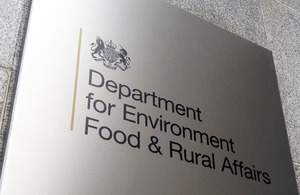
Announced on 26 October 2026 by the Department for Environment, Food & Rural Affairs (Defra) and Farming Minister Stephen Morgan, the plans aim to reduce the suffering experienced by pigs during the slaughter process.
High-concentration carbon dioxide is currently widely used in British slaughterhouses. However, independent scientific assessments have raised serious concerns about its impact on animal welfare, including the panic and breathing difficulties pigs can experience before losing consciousness.
Under the government's proposals, the industry would gradually move towards alternative stunning methods, including argon gas and automated electrical stunning. These approaches are intended to offer more humane ways of rendering animals unconscious before slaughter.
The initiative forms part of the government's wider animal welfare strategy, which seeks to strengthen protections for farmed animals throughout their lives, including during the slaughter process.
Farming Minister Stephen Morgan said pigs are intelligent and sentient animals that should be treated with care and respect. He added that consumers increasingly expect meat sold in shops to be produced in accordance with high animal welfare standards.
Morgan said the proposed transition would help reduce avoidable suffering while delivering long-term benefits for animal welfare. He also stressed that the government intends to support farmers and businesses as they adapt to the new requirements.
Madeline Campbell, chair of the Animal Welfare Committee, said continuing to use high-concentration carbon dioxide when legally permitted, more humane alternatives are available was ethically unacceptable. She argued that the scientific evidence supporting a move away from the practice on animal welfare grounds was compelling.
Campbell called on industry representatives, animal welfare organisations and other stakeholders to work together to overcome the practical challenges involved in the transition. She also urged the government and industry to complete the change within the shortest feasible timeframe.
Defra has been working with pig processors, equipment manufacturers, gas suppliers and animal welfare groups since April 2024 to assess the feasibility of introducing alternative stunning systems. The discussions have focused on the practical requirements of the transition and ways to limit any additional costs passed on to consumers.
A public consultation launched on 26 October will invite views on the proposed changes, including their expected welfare benefits, financial implications, technical feasibility and implementation timetable. The government acknowledges that businesses will require sufficient time to adjust their equipment and operations.
Moving away from carbon dioxide stunning could also make the pork sector less vulnerable to disruptions in international gas supplies. Concerns about possible shortages linked to conflict in the Middle East earlier this year highlighted the risks associated with relying on global supply chains for essential industrial gases.
The consultation will remain open until 21 December 2026, giving businesses, animal welfare organisations and members of the public an opportunity to contribute to the government's plans.