The UK energy regulator Ofgem has approved an agreement between Interconnector Limited and National Gas aimed at safeguarding the country’s ability to import natural gas from
continental Europe through the pipeline connecting Britain and Belgium.
The decision comes as the economics of cross-border gas transportation have become increasingly challenging. Gas flows into Britain through European interconnectors have fallen in recent years, reflecting higher costs and technical limitations. Nevertheless, these connections remain an important source of flexibility, particularly when domestic demand rises during periods of colder weather or other peak-consumption conditions.
The Belgium–Britain Interconnector, which allows gas to flow in both directions, has faced growing pressure from rising fixed operating and maintenance expenses. These costs have contributed to a reduction in the capacity available through the system, raising questions about how existing import infrastructure can be maintained over the longer term.
Ofgem said preserving the pipeline’s capabilities remains important as the UK energy system continues to evolve. Jack Presley Abbott, the regulator’s director of energy systems management and security, said the approval establishes the basis for maintaining this strategic connection. The regulator is now consulting on a proposed mechanism that would allow the associated costs to be recovered.
The consultation focuses on proposed changes to regulatory licences and the financial arrangements needed to enable National Gas to recover expenses linked to maintaining gas import capacity between Britain and continental Europe. These measures are intended to support the continued availability of existing infrastructure rather than expand the system’s capacity.
Ofgem emphasised that Britain’s gas network remains reliable and is expected to meet demand under normal operating conditions. The proposed arrangements are therefore not a response to an immediate supply emergency. Instead, they are designed to preserve the flexibility of the existing network as gas supply routes, market conditions and patterns of consumption change.
Maintaining cross-border interconnectors can provide the UK with additional options for balancing supply and demand, particularly during periods when domestic production or other sources of gas may be insufficient to meet peak requirements. The regulator’s decision highlights the continuing role of established gas infrastructure in supporting energy security while the country’s wider energy system undergoes long-term transformation.
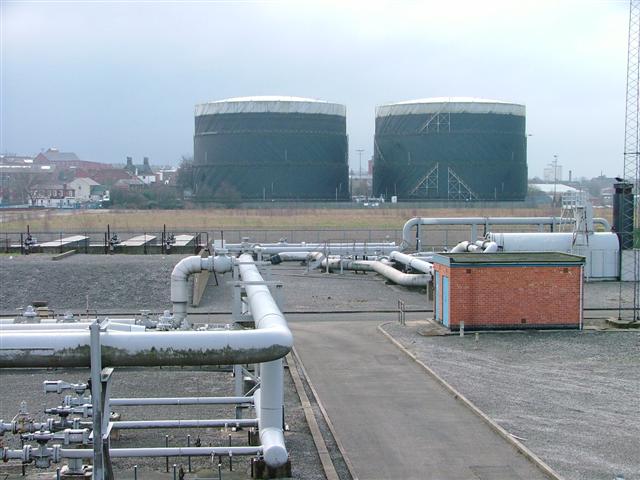
The outcome of the consultation will help determine how the costs of maintaining this import capability are recovered and how the regulatory framework supports the continued operation of the Britain–Belgium gas connection. Photo by Mick Garratt, Wikimedia commons.