Britain’s aviation network began returning to normal on Wednesday after a major air traffic control failure paralysed flights for hours, triggering more than 1,000 cancellations and leaving
hundreds of thousands of passengers facing delays, disruption and uncertainty.
The scale of the outage has intensified scrutiny of NATS, the organisation responsible for managing the UK's air traffic services, while ministers demand assurances that the technology and infrastructure underpinning Britain’s aviation system are sufficiently reliable.
Transport Minister Heidi Alexander has summoned NATS chief executive Martin Rolfe to explain the failure and set out what steps are being taken to prevent another nationwide disruption.
Alexander said the government wanted guarantees that the incident would lead to concrete improvements.
“I am seeking assurances that lessons will be learned and systems that support aviation are up to the job,” she said.
The latest breakdown is particularly uncomfortable for NATS because it follows a series of serious disruptions in recent years. In August 2023, a failure in the UK’s flight-planning system caused widespread cancellations on one of the busiest travel days of the year, with the disruption estimated to have cost airlines around £100 million.
A separate radar-related technical problem disrupted flights at several major UK airports in July 2025, including Heathrow.
The repeated incidents are likely to fuel questions over whether Britain's air traffic control infrastructure requires greater investment and modernisation.
NATS chief faces mounting criticism
Rolfe apologised to passengers affected by Tuesday’s failure but rejected claims that the UK’s air traffic control system performs worse than those in other countries.
He told the BBC that NATS had ruled out a cyberattack as the cause of the latest incident and said the failure appeared to be different from previous disruptions.
NATS maintains that Britain’s air traffic services have strong safety and resilience standards. However, airlines are increasingly challenging that assessment.
Ryanair, Europe’s largest airline, has repeatedly called for Rolfe to step down following the 2023 crisis. The airline renewed its criticism after the latest failure, arguing that the UK’s airspace system has suffered an unacceptable level of disruption compared with other European countries.
Ryanair chief operating officer Neal McMahon said the airline had experienced technical problems elsewhere, but none on the scale and frequency seen in Britain.
Wizz Air’s UK managing director has also suggested that Rolfe should consider his position.
The political pressure is likely to increase as ministers assess the causes of the latest failure and examine whether previous recommendations were properly implemented.
Airports warn passengers of continuing disruption
Although flights were operating again on Wednesday, Britain's major airports warned that the effects of the outage would continue throughout the day.
Heathrow, the UK's busiest airport, advised passengers to check directly with their airline before travelling because schedules had been significantly altered following Tuesday’s disruption.
The airport said the repositioning of aircraft and flight crews would create further knock-on effects as airlines attempted to restore normal schedules.
Gatwick, Luton and Stansted were also operating, but issued similar warnings to passengers about possible delays, cancellations and timetable changes.
The impact was particularly severe for Ryanair, which said around 150,000 of its passengers were affected and more than 200 flights were cancelled on Tuesday.
British Airways reported around 100 cancellations or diversions, affecting tens of thousands of travellers.
For passengers, the return of aircraft to the skies therefore does not immediately mean a return to normality. Airlines must reposition planes, crews and passengers across their networks before schedules can fully stabilise.
Questions over investment and ownership
The crisis has also revived debate over the way NATS is funded and managed.
NATS operates under a public-private ownership structure involving the UK government, airlines, pension funds and other investors. Airlines including British Airways and easyJet hold stakes in the organisation.
Ryanair has questioned whether too much of NATS’ financial resources are being distributed to shareholders instead of being directed towards upgrading technology and increasing staffing.
McMahon criticised the roughly £175 million in dividends paid by NATS to its owners last year, arguing that money should instead be invested in modern systems and additional personnel.
The dispute places the government in a difficult position. Air traffic control is a critical part of the UK's national infrastructure, yet NATS operates within a commercial framework and is subject to independent regulation.
The latest outage is therefore likely to prompt wider questions about whether the current model provides sufficient incentives for long-term investment in resilience.
Government faces pressure to prevent another shutdown
The immediate priority for ministers will be establishing precisely what caused Tuesday’s failure and whether it could happen again.
But the political challenge goes further. With major airports already having experienced several significant technical disruptions in recent years, the government will face pressure to demonstrate that the UK's aviation infrastructure is being properly maintained and upgraded.
For passengers and airlines, the issue is increasingly about more than a single technical fault. Repeated disruptions have raised concerns about the resilience of a system on which Britain's economy, tourism sector and international connectivity depend.
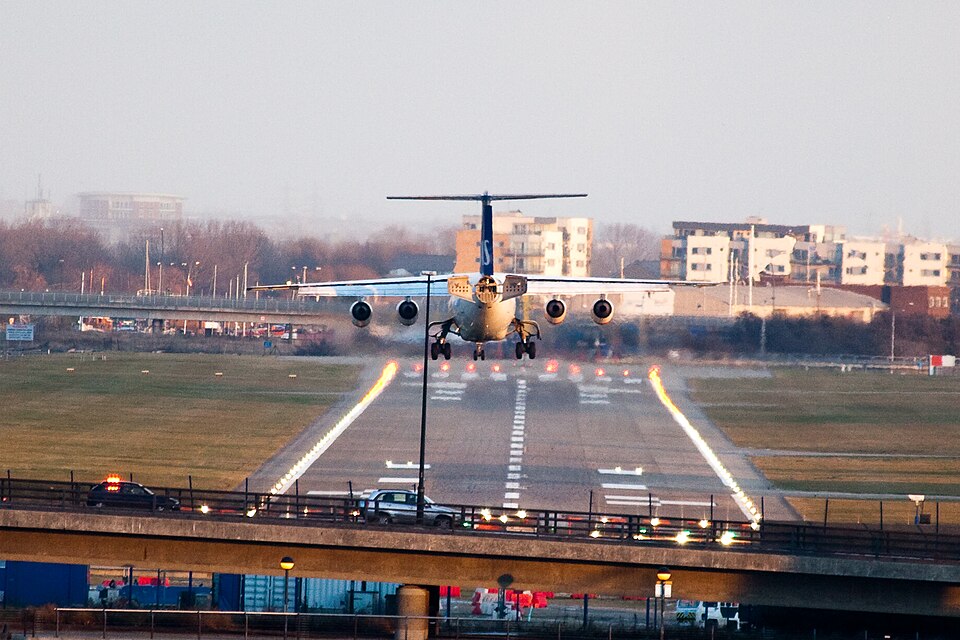
The government’s meeting with NATS will now be closely watched for evidence of whether ministers intend to demand incremental fixes — or a more fundamental overhaul of the technology and operational systems governing UK airspace. Photo by Matt Biddulph, Wikimedia commons.