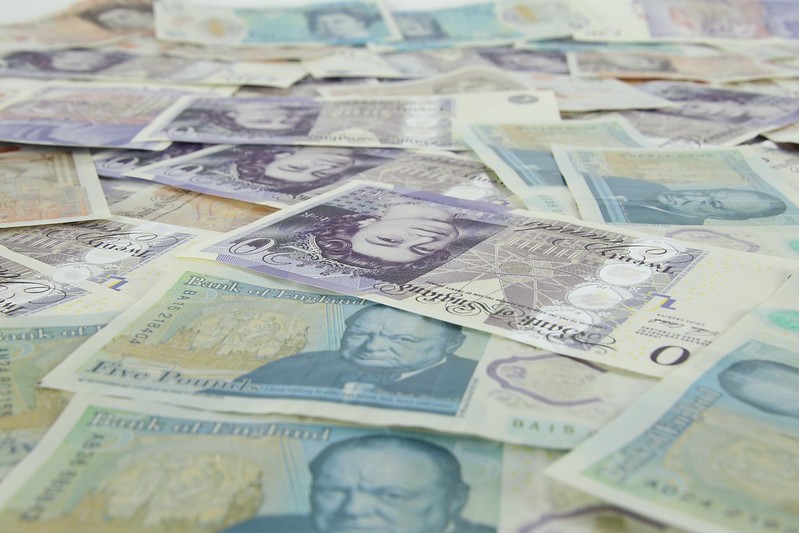
The British pound was on track for its strongest weekly performance against the U.S. dollar in three months on Friday, supported by easing political uncertainty at home and renewed
weakness in the greenback following softer-than-expected U.S. jobs data.
Sterling rose 0.1% to $1.3357, extending its weekly gain to 1.2%—its biggest advance since early April. The U.S. dollar came under pressure after data showed the American economy created fewer jobs than anticipated last month, reinforcing expectations that the Federal Reserve may adopt a less aggressive stance on interest rates.
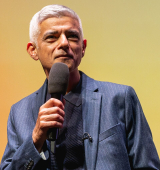
Investor sentiment toward the UK also improved after concerns over domestic politics began to fade. Markets had briefly turned cautious when Andy Burnham, the only Labour MP to publicly express interest in succeeding Prime Minister Keir Starmer, gained support for a potential leadership bid.
Earlier remarks by Burnham about moving "beyond this thing of being in hock to the bond markets" had unsettled investors, raising fears he could loosen the government's fiscal discipline. However, confidence returned after Burnham reaffirmed his commitment to the UK's existing fiscal framework, including balancing day-to-day spending through tax revenues and reducing public debt relative to economic output.
"There's a bit of risk premium leaving sterling, and therefore the currency is strengthening," said Karl Steiner, head of analysis at SEB.
Against the euro, the pound edged slightly lower to 85.73 pence after reaching a one-year high of 85.47 pence in the previous session.
Attention is now turning to the Bank of England, where markets continue to price in a higher likelihood of an interest rate increase than a cut before the end of the year. Expectations have remained resilient despite easing tensions in Iran and the gradual recovery of Middle East oil supplies.
Adding to the hawkish outlook, Bank of England policymaker Catherine Mann said on Thursday that easier financial conditions since the central bank's June meeting would play an important role in her decision at the upcoming July policy meeting. Mann also indicated she would be prepared to support a rate increase if inflation expectations, lifted by the impact of the U.S.-Iran conflict, threaten the bank's goal of returning inflation to its 2% target.
"Mann signalled a readiness to make an 'activist' increase in the policy interest rate if second-half 2026 inflation expectations fail to improve," said Carol Kong, currency strategist at Commonwealth Bank of Australia, adding that her comments provided additional support for sterling.
Money markets currently imply around a 70% probability that the Bank of England will raise interest rates before the end of the year. Before the outbreak of the Middle East conflict, investors had expected the central bank to deliver two rate cuts during 2026.