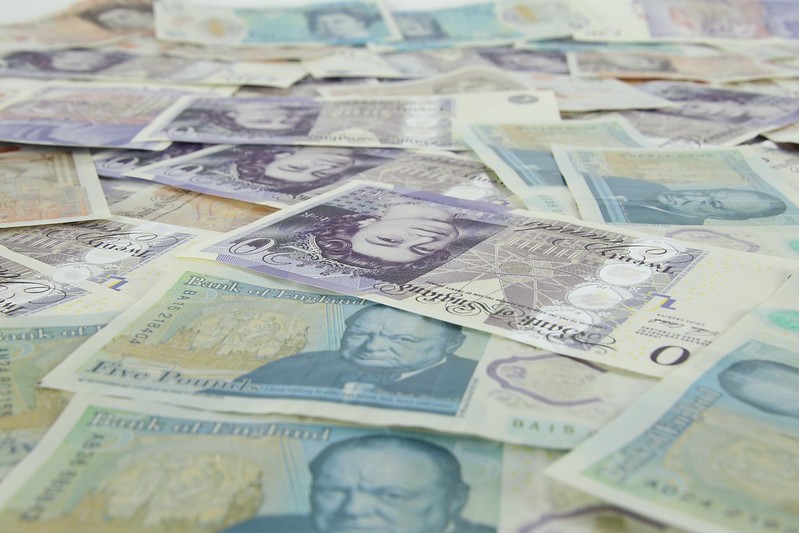
The British pound climbed to its highest level since February on Wednesday, buoyed by a glimmer of hope for Middle East stability, even as Prime Minister Keir Starmer faces a defining
electoral test that could determine his political future.
Global optimism lifts the pound
Sterling rose 0.6% to reach $1.3621, fueled largely by an Axios report suggesting the United States and Iran are nearing a deal to end their ongoing conflict. This potential de-escalation provided a much-needed reprieve for global markets, which have been rattled by surging energy prices linked to the war.
While the pound held steady against the euro at 86.35 pence, its performance against the dollar reflects a market "taking heart" from the prospect of geopolitical cooling.
The Starmer factor: local elections and leadership fears
The currency’s gains come despite a darkening domestic backdrop. As Britons head to the polls for local elections this Thursday, Prime Minister Keir Starmer’s Labour Party is bracing for significant losses.
A combination of persistent scandals and stagnant living standards has fueled speculation of a leadership challenge. Investors are watching closely:
The "Exit" Probability: Prediction market Polymarket now places a 70% chance on Starmer being ousted by December, a sharp rise from just 49% in early April.
Market Sentiment: "More political instability could be on its way," warned a currency strategist at MUFG, noting that investors may be hedging against the fallout of a poor election showing for the government.
Economic headwinds and rising yields
Despite a 7% gain for the pound since the 2024 general election, the UK’s underlying economic data remains fraught with tension. While benchmark interest rates have cooled to 3.75% (down from a 5.25% peak), the daily reality for consumers is starkly different.
Key economic pressure points:
Inflation: Energy price surges from the U.S.-Iran conflict are reigniting inflationary pressures.
Gilt Yields: The five-year gilt yield has climbed to 4.53%, up significantly from 3.68% at the war's onset. This has pushed borrowing costs for mortgages and personal loans to multi-year highs.
Service Costs: April surveys indicate that UK service firms are facing the highest price pressures in over three years.
A sanguine options market
Interestingly, the options market remains relatively calm. The cost of protecting against "overnight swings" in the pound fell on Wednesday, suggesting that while the political stakes are high, professional traders do not currently anticipate a chaotic currency collapse following the election results. Overnight implied volatility for sterling sat at 6.83%, firmly within its recent range.
For now, the pound is riding a wave of international hope, but the domestic storm brewing in Thursday's ballot boxes may soon test the currency's resilience.