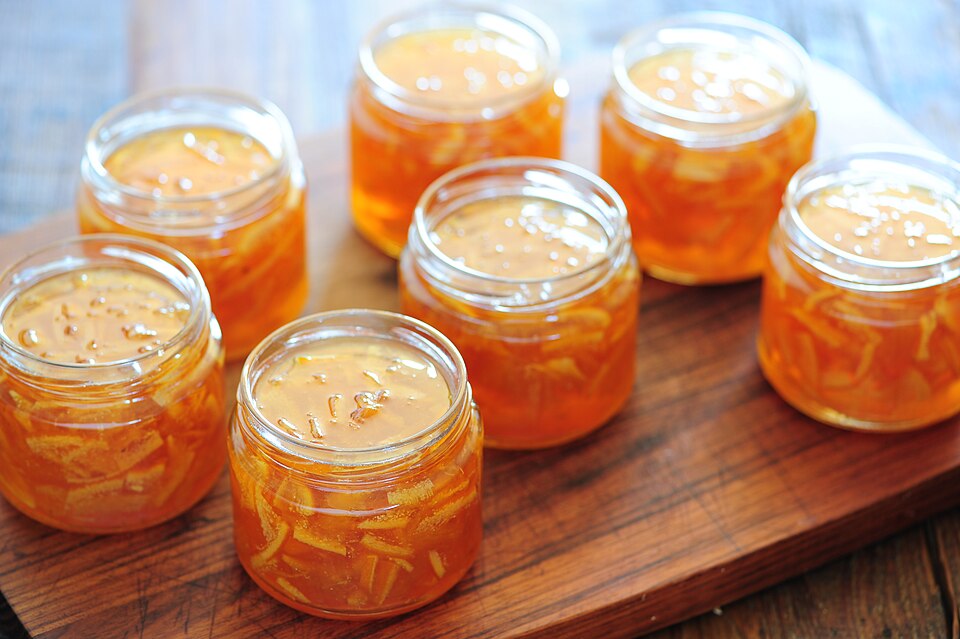
Fears that Britain’s beloved marmalade could be forced into a post-Brexit identity change have been firmly dismissed by the UK Government, which insists no relabelling will be required under
upcoming EU-aligned food rules.
Recent media reports had suggested that jars on supermarket shelves might need to swap their traditional labels for the more generic term “citrus marmalade.” The claim sparked concern that changes tied to a new UK-EU food standards agreement would dilute the product’s long-standing identity.
However, officials say those concerns are misplaced.
At the heart of the confusion is a shift in EU regulations that broadens the definition of marmalade. Under the updated rules, preserves made from a wider range of citrus fruits could be marketed as marmalade—provided the specific fruit is clearly identified on the label.
But according to government sources, this change does not mean British producers will have to rename their products. In fact, many already comply with the requirements.
“Most jars are already labelled ‘orange marmalade’ or ‘Seville orange marmalade,’ which fits perfectly within the rules,” a source explained. “There’s simply no need for any sweeping rebrand.”
Historically, marmalade has held a unique position in European food law. A UK-led campaign in the 1970s secured special recognition for orange-based marmalade, distinguishing it from other fruit preserves, which were classified as jam. The new EU approach relaxes that distinction, allowing more flexibility—but not forcing changes on existing products.
Officials were quick to downplay the controversy, suggesting it had been overblown.
“This isn’t such a sticky situation after all,” one source said, dismissing the debate as unnecessary alarm. “Claims that ‘orange marmalade’ is under threat are simply not true.”
Despite the reassurances, the issue has drawn political fire. Conservative figures, including shadow foreign secretary Priti Patel, accused the government of undermining British traditions in pursuit of closer alignment with EU standards.
Writing on social media platform X, Patel criticised the move, suggesting it was part of a broader effort to reverse Brexit-era distinctions.
The government, however, remains clear: Britain’s breakfast tables—and their jars of marmalade—will remain unchanged.