The United Kingdom has imposed new visa requirements on travelers from St. Lucia and Nicaragua, marking another step in the government’s effort to tighten immigration controls as political
pressure grows at home.
Home Secretary Shabana Mahmood announced the policy change on Thursday, saying that visa-free access had created what she described as a “back door” into the UK immigration system. The move follows mounting calls for stricter border policies as the opposition Reform UK party gains traction in national opinion polls.
Under the new rules, citizens of the Caribbean nation of St. Lucia and the Central American country of Nicaragua will now need a visa to enter the UK. Previously, travelers from both countries only needed to obtain a £16 Electronic Travel Authorisation (ETA) before visiting.
Officials said current ETA holders will be granted a six-week transition period before the new visa requirement is fully enforced.
St. Lucia raises concerns
The government of St. Lucia said it learned about the decision through a letter from the British government dated a day earlier. According to the notice, the change was driven by what British authorities described as a “notable increase” in asylum claims from St. Lucian nationals.
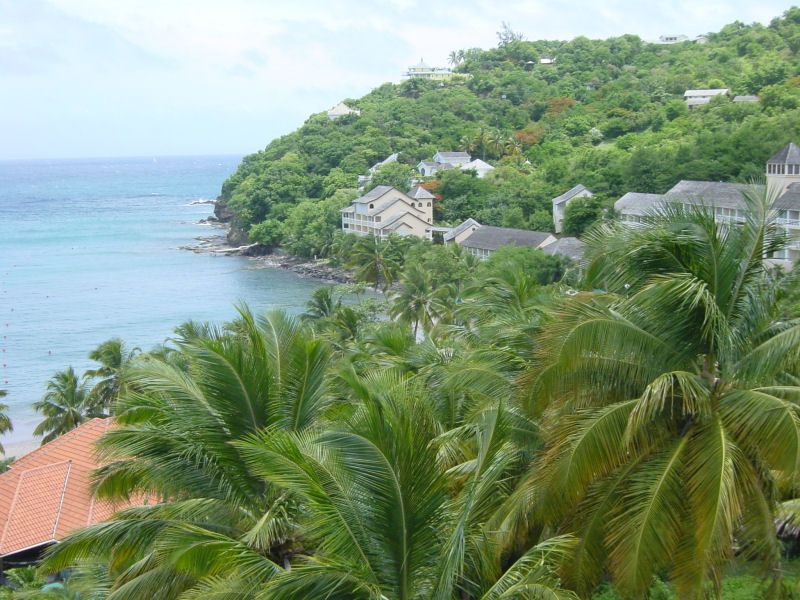
St. Lucia, a former British colony with a population of roughly 180,000 people, questioned the reasoning behind the move. Data from the World Bank estimated that the island experienced a net emigration of only 23 people last year.
Officials in the Caribbean country said they are now engaging with British authorities to preserve travel ties.
“We will continue discussions with the UK government to explore pathways for maintaining strong mobility arrangements between our countries,” St. Lucia’s government said in a statement.
Nicaragua yet to respond
Nicaragua’s government had not issued an immediate public response to the decision. According to World Bank estimates, the country recorded net emigration of about 8,731 people last year, although most migrants head toward the United States or neighboring Costa Rica rather than the UK.
Immigration remains a political flashpoint
Immigration remains one of the most sensitive political issues in Britain. The government of Prime Minister Keir Starmer has increasingly emphasized stricter controls in response to rising public concern and pressure from political rivals.
Official figures show that 100,625 people applied for asylum in the UK last year. Most applications were ultimately rejected. Applicants from Pakistan, Eritrea, and Iran accounted for the largest share of claims, while St. Lucia and Nicaragua did not appear among the top 20 countries of origin.
Broader visa changes
The new restrictions come amid a broader tightening of Britain’s visa policies. Earlier this week, the government announced plans to block study visas for applicants from Afghanistan, Cameroon, Myanmar, and Sudan, while also suspending work visas for Afghan nationals.
St. Lucia’s membership in the Commonwealth—an association made up largely of former British colonies—adds historical context to the change. Before the 1970s, citizens from many Commonwealth countries were allowed to live and work freely in the UK.
The latest policy shift signals a continued move toward stricter border control as immigration debates intensify in British politics. Photo by jimg944, Wikimedia commons.
Naomi Atkin